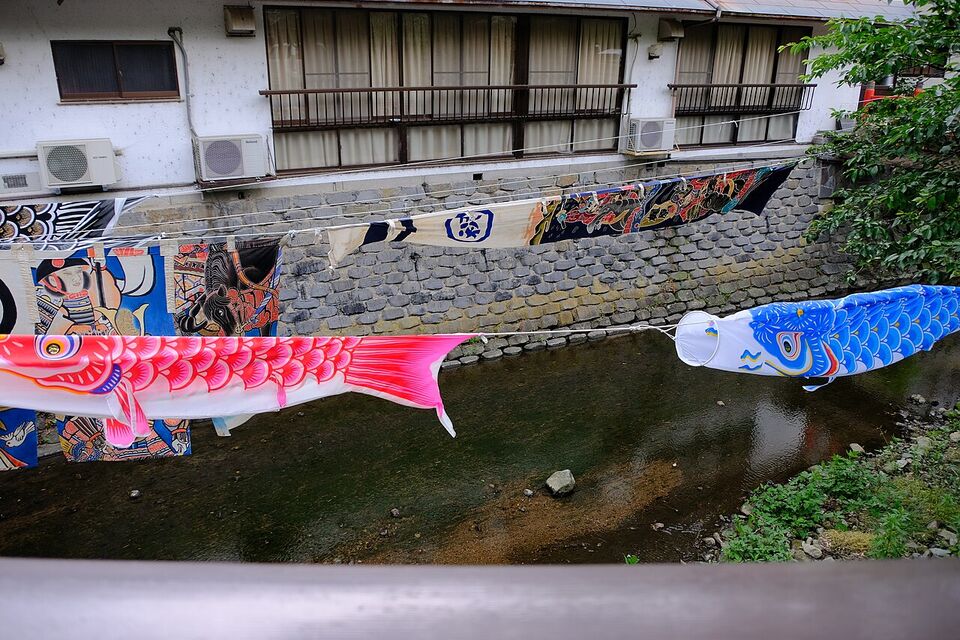
Is December a good time to go?
Yes, with one big exception. From the start of the month to about December 24, Japan is a very good winter destination: the last autumn leaves linger in Kyoto, cities light up for the holidays, the sky is clear and dry, and Mount Fuji is often visible. Hotel prices outside Kyoto are often lower than in November. The exception is December 28 to January 3, when the country closes for the New Year and moves around on crowded trains.
Our advice for 2026: travel in the first three weeks, or plan the New Year week as a fixed stay in one place rather than a tour. If your dates are fixed in the last week, read the closure and booking sections below first. For the season in general, see When to Go to Japan, and for the month before, Japan in November.
Weather in eight cities
These are the 1991-2020 December averages from published climate tables based on Japan Meteorological Agency data. Tokyo, Kyoto and Osaka are cold at night but sunny by day. The Sea of Japan side and Hokkaido are snowy.
| City | High / low | Rain or snow | What it feels like |
|---|---|---|---|
| Tokyo | 54°F / 39°F (12°C / 4°C) | 2.3 in (58 mm) | Cold, dry and bright; coat and scarf |
| Kyoto | 53°F / 38°F (12°C / 4°C) | 2.3 in (57 mm) | Cold in the evening; temples are unheated |
| Osaka | 54°F / 42°F (12°C / 5°C) | 2.2 in (56 mm) | A little milder than Kyoto |
| Hiroshima | 54°F / 39°F (12°C / 4°C) | 2.1 in (54 mm) | Cold and clear |
| Sapporo | 36°F / 25°F (2°C / -4°C) | 4.5 in (115 mm) of precipitation; about 44 in (113 cm) of snow | Snow on the ground; boots and a warm coat |
| Fukuoka | 55°F / 42°F (13°C / 6°C) | 2.7 in (68 mm) | Mild winter day |
| Naha (Okinawa) | 71°F / 62°F (22°C / 17°C) | 4.3 in (110 mm) | Mild and often cloudy; not a beach holiday |
| Takayama | 43°F / 29°F (6°C / -2°C) | 4.1 in (104 mm); about 26 in (66 cm) of snow | Snow in town; very cold at night |
Inside, Japanese hotels and trains are well heated, while temples, old houses and many restaurants have little heating. Dress in layers you can take off, wear warm socks (you will remove shoes often) and bring a hat and gloves for the evenings and for Sapporo and the mountains. Our packing checklist has a winter list.
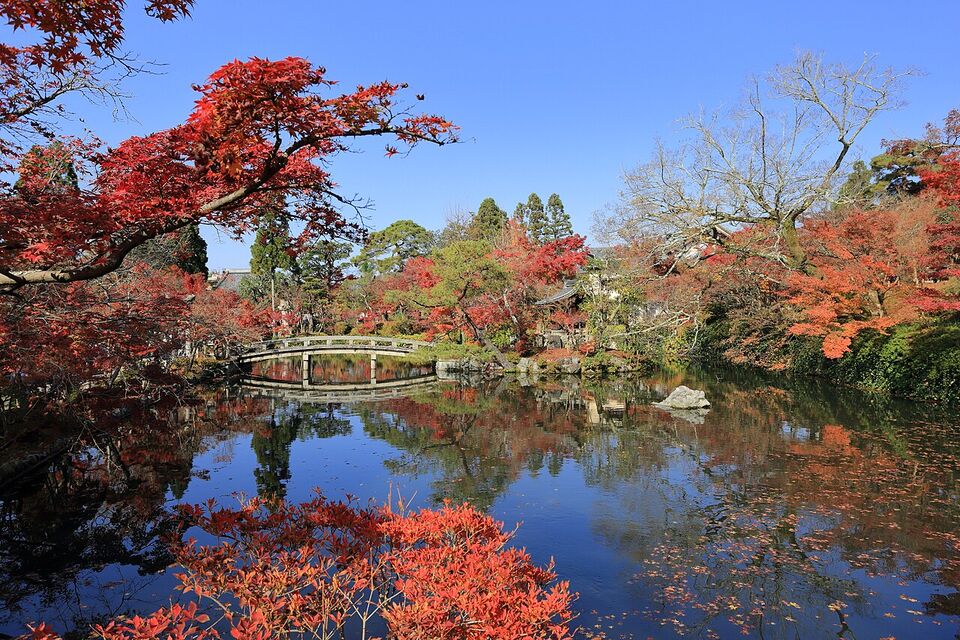
The last leaves, and Mount Fuji
December is the second half of the 2026 leaf season. The Japan Meteorological Corporation's final forecast on November 4 gave Kyoto's red-leaf peak as about December 14 (ginkgo trees about November 30), Osaka as December 6 and Tokyo as about November 30. So in the first week of December Tokyo's leaves are fading but many gardens still glow, Osaka is at its best and Kyoto is building to a peak that can run through about December 15. Fukuoka's peak is forecast around December 7. See the leaf timing table in Japan in November and the temple advice in Kyoto Sights.
Winter air is clear, and the best views of Mount Fuji from Tokyo, Hakone and the Fuji Five Lakes are from December to February, on cold sunny mornings. The mountain is closed to climbing outside the summer season, and entering the closed trails can bring a fine of up to ¥300,000 (about $1,900), according to one recent report. See Mount Fuji and Hakone for viewpoints.
Winter illuminations
Illuminations (iruminēshon) are December's signature event. They are mostly free, outdoors and best from about 5 p.m. These 2026 schedules were published when we checked:
- Roppongi Hills Keyakizaka: through December 25, 5 to 10 p.m., free. Tokyo Tower appears at the end of the tree-lined street.
- Marunouchi (Tokyo Station): through February 14, 2027, about 4 p.m. to 11 p.m. and until midnight in December, free.
- Tokyo Midtown: November 26 to December 25, 5 to 11 p.m., free; a paid ice rink is open from December 5.
- Omotesando: planned for December 1 to 27, from sunset to 10 p.m.
- Yomiuriland Jewellumination: through April 4, 2027, with paid entry; the admission-only ticket was ¥1,800 (about $11) at the gate, and the larger passes cost more.
- Christmas markets in Tokyo: Shin-Toyosu (November 20-December 25) and Shiba Park below Tokyo Tower (December 4-25). Entry is ¥1,000 (about $6) on weekdays, ¥1,500 (about $10) on weekends and ¥2,000 (about $13) on December 24 and 25.
- Sapporo White Illumination: November 20 to March 14, 2027 along Odori Park and near the station, with the lights on until midnight in the Christmas season. The Munich Christmas Market in Odori Park runs in the same weeks (check dates with the organizers).
- Kyoto: Nijo Castle's NAKED light show runs through December 5, 6 to 10 p.m., with adult tickets from ¥1,600 (about $10) on weekdays. Temples such as Kodai-ji and Eikando held evening openings into mid-December in 2025, so expect similar and confirm 2026 dates on each temple's site.
Kobe's Luminarie, the big memorial light festival, is now held in late January and early February: the 2027 edition (the 32nd) is announced for January 29 to February 7, so it falls in our January guide, not this one. Dates and hours can change with crowds, so check the venue's page before you go.
Insider tip
For the Roppongi and Marunouchi lights, go on a weekday just after sunset. By 7 p.m. on a Saturday the walkways become a slow-moving queue, and police direct traffic at the busiest crossings. Walk the Marunouchi route from Tokyo Station toward Hibiya and you will see the best stretch.
Christmas in Japan
Christmas is not a public holiday in Japan. December 25, 2026 is a Friday and a normal working day, and there are no national holidays at all in December 2026. For many couples, Christmas Eve is a date-night: restaurants with set menus fill up weeks ahead, hotels raise prices, and the illuminations are crowded. Families typically eat fried chicken (KFC takes pre-orders, and the queues are famous) and a strawberry shortcake. Christmas decorations come down on December 26 and are replaced by New Year displays.
If you want a Christmas dinner, book a table before you leave the US and expect a fixed price, often well above normal. Tokyo Disney Resort decorates for Christmas, with variable pricing; the highest tier for a one-day adult passport was ¥12,400 (about $79) from October 11, 2026, so check the calendar on the official site for your date.
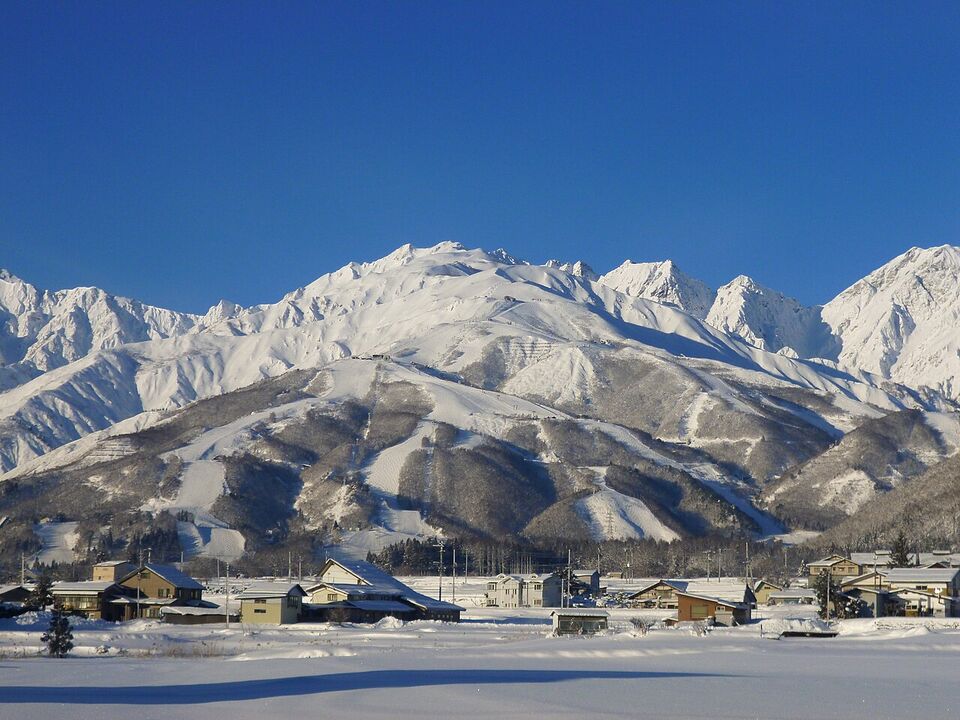
Skiing opens in December
Ski season starts in December, but early December is a soft opening. Niseko United plans to open on November 28, 2026, weather permitting, with night skiing from December 12 and, at the main areas, a season to May 5, 2027 (some areas close in April). Shiga Kogen's all-mountain ticket season starts December 5, at ¥9,500 (about $60) a day at the window or ¥8,500 (about $54) online, with lower early-season prices on some days. Hakuba's official dates had not been announced when we checked; lifts there usually open in early December and the whole valley by mid-December. Some off-piste and tree runs are not ready until after Christmas.
If you want deep powder, the better window is mid-January to mid-February, though that is more crowded and pricier. United plans a seasonal nonstop from San Francisco to Sapporo three times a week from December 11, 2026 through March 2027 (subject to government approval), and Air Canada starts Vancouver-Sapporo on December 17. Our skiing guide covers lift tickets, gear rental and getting to the resorts, and Hokkaido covers Sapporo.
The New Year closures: December 29 to January 3
New Year (Oshogatsu) is Japan's most important holiday. Government offices and many businesses close about December 29 to January 3. Many restaurants, shops and some attractions are shut from December 31 to January 3, and then reopen with shortened hours. Convenience stores, many chain restaurants and big-station shops remain open, but department stores and small family businesses are the first to close. In 2027, January 1 is a Friday, so the break is Tuesday to Sunday.
Trains work in an unusual way. Bullet trains are busiest on December 28-30 (people going home) and January 2-4 (people returning). Reserved seats go on sale one month ahead at 10 a.m. Japan time, so for a Shinkansen on December 28 the window opens November 28. Reserve early if you must move on those dates; the middle days, December 31 to January 1, are quieter on the rails.
- Hotels. Prices in tourist cities peak from about December 28 to January 3. Onsen inns often sell the holiday as a package with special New Year meals, and they book out first.
- Sights. Check each attraction's holiday calendar. For example, Nijo Castle in Kyoto has typically closed for December 29-31, and its palaces were closed for much of December 26-January 3 in the 2025-26 holiday.
- Food. Stock up on snacks and groceries before December 31. Konbini and supermarkets stay open, and many restaurants offer holiday set menus.
- Cash. Banks and post offices are closed and some ATMs keep shorter hours, so withdraw cash before December 29. 7-Eleven ATMs take most foreign cards; see Money in Japan.
Watch out
Many places that visitors expect to be open on January 1 are closed, including some markets, small restaurants, museums and shops in Kyoto. The Kyoto Daimaru department store, for example, was closed January 1-2 in the 2025-26 holiday. Do not plan a "big sightseeing day" on January 1; plan a shrine visit and a long lunch.
New Year's Eve: the temple bells
At midnight on December 31, temples across Japan ring a large bell 108 times in a ceremony called joya no kane. The number stands for the 108 worldly desires in Buddhist belief; the bells are meant to cleanse them before the new year. It is a religious ceremony, not a countdown party, and the mood is quiet.
The arrangements we found were for the 2025-26 holiday, and most 2026-27 details will only be published in December, so confirm with each temple. In Tokyo, people watch the midnight bell at Senso-ji (listen only) and Zojoji, and a few temples invite the public to ring, usually with advance registration, such as Higashi Honganji in Asakusa (free, limited to 108 people, with reservations opening on December 20 in 2025) and Tsukiji Hongwanji, where anyone could ring a portable bell. In Kyoto, Chion-in's famous bell was a paid, advance-application event in 2025-26 (¥3,000, about $19, for visitors to watch, not ring); smaller temples such as Kodai-ji and Tenryu-ji handed out numbered tickets to the first 108 groups.
Kyoto's other New Year's Eve ritual is the okera mairi at Yasaka Shrine in Gion, from about 7:30 p.m. on December 31 to about 5 a.m. on January 1. Visitors light a rope from a sacred flame and carry it home; a ready-made rope cost ¥1,000 (about $6) in 2025-26. City buses and the subway in Kyoto do not run all night on New Year's Eve, though the Keihan line ran all night from 6 p.m. to 7 a.m. in 2025-26. Stay in Higashiyama, Gion or Shijo-Kawaramachi so you can walk back.
Hatsumode: the first shrine visit
Hatsumode is the first shrine or temple visit of the year, from January 1 through about January 3. Meiji Jingu in Tokyo, Senso-ji in Asakusa and Fushimi Inari in Kyoto are among the busiest, with crowds in the millions across the three days at the largest shrines. Queues are long, stalls sell hot sweet amazake and grilled food, and crowd control may send you on one-way routes. Many first-timers prefer a smaller local shrine for the same experience with a short line. Heian Jingu in Kyoto is open through the night from New Year's Eve. At Fushimi Inari, the car park is closed December 30-January 6, so go by train.
Be polite and quiet. Do not photograph people at prayer, and follow the one-way signs. For manners at shrines, see our temples and shrines guide, and for the whole New Year picture read Festivals and Holidays.
Booking for December
- Book Kyoto hotels for the first half of December early, because the leaves fill them.
- Book Christmas Eve dinner and any special-event hotel package weeks ahead.
- Reserve Shinkansen seats the day sales open if you travel December 28-30 or January 2-4.
- Buy tickets for night viewing, illuminations with timed entry and any New Year's Eve temple events as soon as they are announced.
- Check each sight's holiday calendar for December 26-January 4.
- If skiing, check the opening of each lift and the snow report before you book a non-refundable stay.
The easiest way to use December is a two-part trip: Tokyo and Kyoto in the first half of the month, with a quiet New Year in one hot-spring town or Hokkaido if you stay on. Our trip planning guide has itineraries, and the trip builder will lay one out for your dates.
Add it to a route in the trip builder, or ask us to plan the hotels, trains and guides for you.