Overview: Himeji and Kobe from Osaka or Kyoto
Himeji and Kobe sit west of Osaka on the same JR Tokaido-Sanyo Line, and they work well together. Himeji has Japan's best-preserved original castle. Kobe, 30 minutes from Osaka, is a port city with a foreign-influenced past, a beef brand known around the world and a hot spring resort in the hills behind it. Few visitors give either more than a day, and you can base yourself in Osaka or Kyoto and see both.
Two things have changed for 2026. Since March 1, 2026, Himeji Castle charges adults who do not live in Himeji City ¥2,500 (about $16), more than double the old fee, and among the highest prices of any Japanese castle. And the Kobe beef market keeps drawing imitators, so it is worth knowing how the official certification works before you spend ¥10,000 or more on dinner.
This page covers Himeji Castle and its garden, the Engyo-ji temple, Kobe's harbor and old foreign quarter, the Nada sake breweries, Mount Rokko and Arima Onsen, with transport from Osaka and Kyoto.
Getting here from Osaka and Kyoto
JR West's Special Rapid (Shin-Kaisoku) is the easiest way to see both cities: it needs no reservation, runs several times an hour and stops at Osaka, Sannomiya (the center of Kobe) and Himeji. Osaka to Sannomiya takes about 25 to 30 minutes, and Sannomiya to Himeji about 40 to 45 minutes. A full Osaka to Himeji trip takes about an hour and costs about ¥1,500 (about $10); check the fare on the JR West site or at the station. From Kyoto, plan on roughly an hour and a half by Special Rapid.
The Shinkansen is faster for Himeji only. Hikari and Sakura trains stop at Himeji, about 30 minutes from Shin-Osaka, but the fastest Nozomi trains do not. The Shinkansen is covered by the JR Pass for Hikari and Sakura (see our JR Pass guide), but a Special Rapid ticket is cheap enough that most visitors skip the bullet train here.
For Kobe, Hankyu and Hanshin private railways are alternatives to JR. Hankyu runs from Umeda in Osaka to Kobe-Sannomiya in about 30 minutes. These private lines accept contactless bank cards (see getting around Japan), while JR West does not.
Insider tip
Put your luggage in a coin locker at Osaka or Kyoto, or send it ahead to your next hotel. Himeji station has lockers, but the castle is a 15-minute walk away, and you will climb a lot of stairs inside.
Himeji Castle
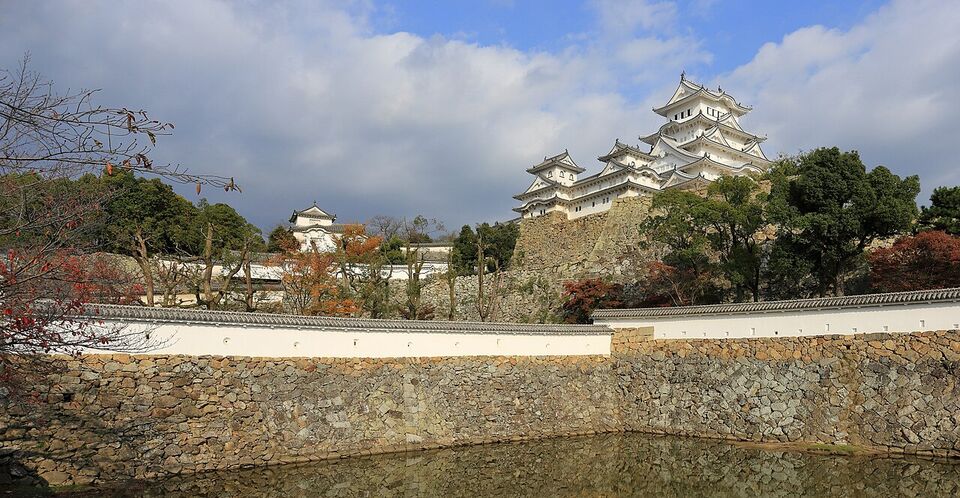
Himeji Castle is a UNESCO World Heritage site and the best of Japan's twelve surviving original castle keeps. It dates from the early 1600s and was never destroyed in war, fires or air raids, which explains its nickname, the White Heron Castle, for its whitewashed plaster walls. You walk through a maze of gates and baileys designed to confuse attackers and then climb six floors of dark timber inside the main keep. A major repair finished in 2015 and left the exterior bright white.
Tickets, hours and the new price
| Ticket | Price | Notes |
|---|---|---|
| Adult, not living in Himeji City | ¥2,500 (about $16) | Every foreign visitor and every Japanese visitor from outside the city |
| Himeji City resident adult | ¥1,000 (about $6) | Proof of residency required |
| Under 18 | Free | Was ¥300 before March 2026 |
| Castle plus Koko-en garden | ¥2,600 (about $17) | Only ¥100 more than the castle alone |
| Annual pass | ¥5,000 (about $32) | Pays off only for repeat visits |
The castle is open from 9 a.m. to 5 p.m., with the last entry at 4 p.m., and hours may be longer in summer. The official site lists scheduled closures on December 29 and 30. Check himejicastle.jp for the day you plan to go, as well as for the online ticket page.
Leave at least two hours for the visit: one to walk up through the grounds and the keep, and one for the grounds and the view back at the castle. Shoes come off at the main keep, and visitors carry them in a bag. The stairs are steep and the line to go up can be long on weekends and in cherry blossom season (late March to early April), so go early or on a weekday.
Watch out
The ¥2,500 price applies to adults not living in Himeji City, so a tourist cannot use the lower local fare. Carry your passport if staff ask. The old low price still appears in older guidebooks and blogs.
Koko-en
Koko-en is a group of nine walled Japanese gardens beside the castle, built in 1992 on the site of a samurai residence. It has a stream, a pond with carp, a tea house and a bamboo grove. It is pleasant but small, and with the combination ticket costing only ¥100 more than the castle alone, it is a cheap add-on for the end of your visit. Check the closing time, since the garden closes earlier than the castle in some seasons.
Getting to the castle
From Himeji station walk straight up Otemae-dori, the wide avenue in front of the station, for about 15 minutes. The castle is in view the whole way. Buses and taxis run the same route if you are tired.
Engyo-ji and Mount Shosha
Engyo-ji is a mountain temple complex in the hills north-west of Himeji, founded in the tenth century. Its large wooden halls sit in a forest, and the Maniden, the main hall, is perched on a rock ledge. The old Daikodo (lecture hall) and its neighbors form a long, open courtyard. The buildings appeared in the 2003 film The Last Samurai, which is the reason many Americans know them.
To get there, take a city bus from Himeji station to the Mount Shosha ropeway; the ride takes around 30 minutes. The ropeway rises through the forest to the top, and from there a path leads to the temple area, about 15 to 20 minutes on foot, with a shuttle bus on some days. We could not confirm the current fares, so expect a round-trip ropeway ticket of about ¥1,000 to ¥1,500 and a separate temple admission of a few hundred yen, and confirm both at the ropeway.
It is a half-day extra on top of the castle. Add it if you have a full morning and enjoy temple grounds, and skip it if you are short of time. The trip is quiet, but there is a fair amount of walking on uneven stone paths.
Kobe: harbor, Kitano and Chinatown
Kobe was one of the first Japanese ports opened to foreign trade, in 1868, and it still has a mix of buildings and food that is rare elsewhere in Japan. It is also the city of the 1995 Great Hanshin earthquake, and monuments to it are scattered around the harbor.
Kitano Ijinkan
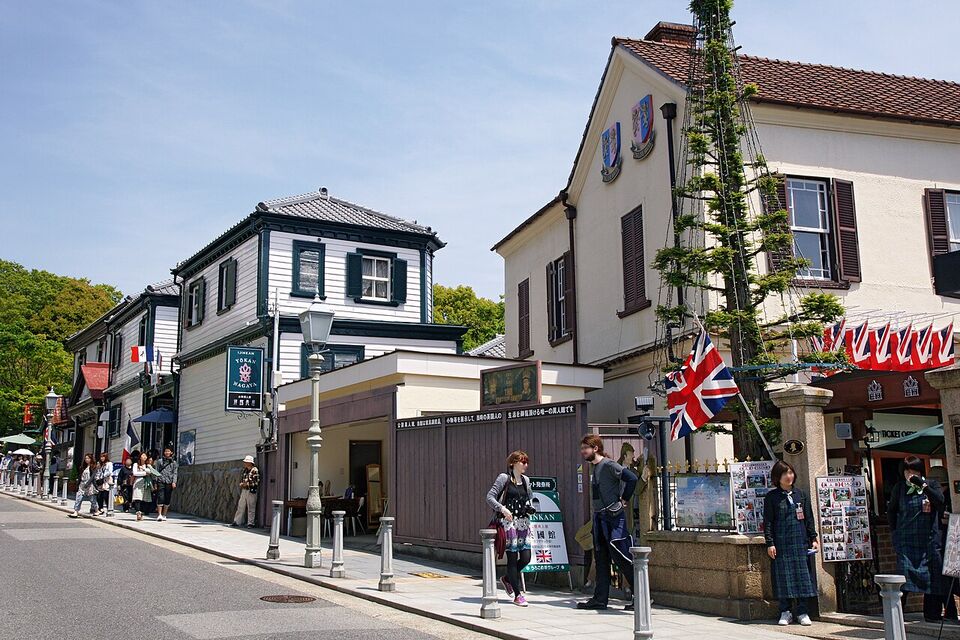
A hillside area of Western-style merchant and consul homes from the late 1800s, called ijinkan. Several houses are open to visitors for a few hundred yen to about ¥1,000 each, and combined tickets cover a group of them. Some are cafes, and the streets are good to walk in the late afternoon.
Meriken Park and Harborland
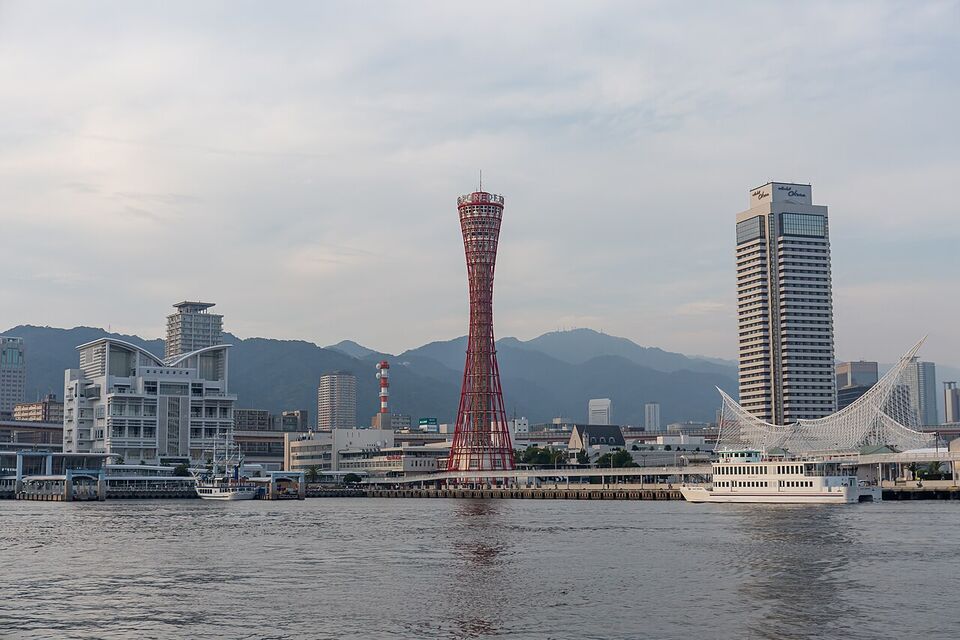
The harbor area has the red Kobe Port Tower, a shopping and dining complex, and lit promenades. It is the best place for an evening walk. Check the tower's hours and fees before you go.
Nankinmachi
A compact Chinatown with dumpling and bun stalls and Chinese restaurants. It is a cheap, casual lunch option and a contrast to Kobe beef.
Sannomiya and Motomachi
The shopping and station district, with the covered shopping arcades of Motomachi and most of the steakhouses and restaurants. Use it as your base for the day.
A reasonable Kobe day starts at Sannomiya, walks up to Kitano by about 10 a.m., comes down to Nankinmachi for lunch and finishes at the harbor at sunset. If you stay for dinner, reserve the beef restaurant in advance.
Kobe beef: how to choose and what it costs
Kobe beef is a certified brand of wagyu (Japanese beef), not a generic term. It comes from Tajima-strain Japanese Black cattle born and raised in Hyogo Prefecture, and the animals must be heifers that have never calved or steers. They must be processed at designated plants in the prefecture and meet strict quality standards for marbling (a Beef Marbling Standard of 6 or higher), meat quality grade (4 or 5), yield grade (A or B) and carcass weight. Only a few thousand animals qualify each year, which explains the price.
How to spot the real thing
- Certification: A genuine restaurant is registered with the Kobe Beef Marketing and Distribution Promotion Association and shows the association's sign. Ask to see the certificate that comes with the beef, with the animal's ten-digit identification number.
- Wording: "Kobe-style," "Kobe-gyu" or just "wagyu" is a different product. Tajima beef is the parent breed, and Sanda, Matsusaka and other regional brands are separate and also good.
- Grade: The A5 you see on menus refers to the national grade (A for yield, 5 for quality) and is not specific to Kobe.
Price ranges
Prices vary widely and these are rough ranges, so check the menu board or a restaurant's website. Lunch sets with a small portion of certified beef often start around ¥6,000 to ¥10,000 (about $38 to $64). Dinner steak courses commonly run from ¥15,000 to ¥30,000 (about $96 to $190) or more per person, depending on the cut and weight. Cheaper options exist: Kobe beef yakiniku (grilled meat), croquettes and buns from street stalls, but check whether they are made from certified beef.
Save money
Eat your Kobe beef at lunch, when many restaurants offer a smaller set at a much lower price than the evening menu. Often the quality is the same and the portion is smaller, which many visitors find is enough with the richness of the fat.
For more on regional dishes and how to order, see our Japanese food guide.
Nada sake breweries
The Nada district, on Kobe's east side between Kobe and Nishinomiya, is Japan's biggest sake-producing area. Its water, rice from nearby Hyogo and a tradition of large breweries have made it a center of production for centuries. Several breweries run museums and tasting rooms in a short stretch along the Hanshin line, and most are free or cheap to enter.
Plan on a half day. Take the Hanshin Main Line to Uozaki, Sumiyoshi or Mikage, or the Hankyu line to Mikage, and walk between museums. Typical stops show the old brewing tools and the process, and a tasting counter lets you try a few types for a small fee or free. Opening hours and tasting fees differ, and several breweries close on specific days, so check each site before you go. The area has more than a dozen breweries, and the Nada-Gogo district group publishes a map.
If you like sake, our sake, whisky and drinks guide explains how to order and what the labels mean. The legal drinking age in Japan is 20.
Mount Rokko and the Rokko Cable Car
Mount Rokko rises behind Kobe to about 3,050 feet (931 m), and the ride to the top is part of the local routine, especially for the night view. The Rokko Cable Car runs from a lower station reached by city bus from Hankyu Rokko, JR Rokkomichi or Hanshin Mikage stations. The ride takes about 10 minutes, with departures about every 20 minutes between 7 a.m. and 9 p.m.
| Ticket | Price | Notes |
|---|---|---|
| Rokko Cable Car, one way | ¥800 (about $5) | Children ¥400 |
| Rokko Cable Car, round trip | ¥1,550 (about $10) | Children ¥780 |
| Rokko to Arima one-way ticket | ¥2,450 (about $16) | Cable car plus bus and ropeway; children ¥1,230 |
From the top there are viewpoints, a garden terrace and walking paths, and a ropeway down the other side to Arima Onsen. Wear layers: it is noticeably cooler on the summit. In winter and on foggy days the view can disappear, so check the weather before you go. Check rokkocable.com for the latest timetable and the Arima route's operating days.
Arima Onsen
Arima is one of Japan's oldest and best-known hot spring towns, in a narrow valley on the far side of Mount Rokko. It is known for two kinds of spring water: the reddish-brown kinsen (gold water, rich in iron and salt) and the clear ginsen (silver water). Its streets are small and winding, with traditional inns, bathhouses, souvenir shops and charcoal-baked rice crackers.
Most day visitors go to the two public bathhouses, Kin no Yu (gold) and Gin no Yu (silver), which charge roughly ¥700 to ¥800 (about $5) each. We could not confirm the current prices and closing days, so check before you go. Many inns also let day visitors use their baths for a fee in the afternoon. If you are new to bathing, our onsen guide explains the ritual and the tattoo rules.
Getting there is easy: take a Kobe Subway and Shintetsu line from Sannomiya (about 30 to 40 minutes with one change), or a direct highway bus from Osaka's Umeda. You can also reach it over Mount Rokko by cable car and ropeway, which makes a good day. A night at a ryokan (traditional inn) with a bath and a multi-course dinner is a fine contrast to a city stay, but book well ahead for weekends and autumn.
Planning your time
- Day trip
Himeji and Kobe in one day
Take an early Special Rapid to Himeji and walk to the castle for 9 a.m. Finish by 12:30, take the train east to Sannomiya, have lunch in Nankinmachi and walk Kitano. Reserve a beef dinner if you want one, then return to Osaka or Kyoto by 9 p.m.
- Day 1
Himeji with Engyo-ji
Spend the full day around Himeji: castle and garden in the morning, then bus and ropeway to Engyo-ji in the afternoon.
- Day 2
Kobe, Rokko and Arima
Start in Kobe, take the cable car up Mount Rokko and descend by ropeway to Arima for an onsen soak and dinner. Stay overnight, or return to Osaka by highway bus.
A Kansai base lets you add other day trips. See Nara for deer and temples, and Hiroshima and Miyajima if you are going further west. Our destinations overview compares them all by distance.
Practical notes
- Buy a Himeji ticket online or at the gate, and carry your passport.
- Book a Kobe beef restaurant ahead, especially on weekends and holidays.
- Check opening hours of the Nada museums, since each has its own closing days.
- Carry cash for small bathhouses, stalls and local buses.
- Wear shoes you can slip off easily for the castle keep.
Weather matters here. Kobe and Himeji are mild in spring and autumn, hot and humid in summer, and the Rokko summit can be cold and foggy in winter. Typhoons from late summer to early autumn can close ropeways and delay trains, so keep some flexibility in the schedule.
Add it to a route in the trip builder, or ask us to plan the hotels, trains and guides for you.