How many days do you need?
Plan on at least seven days, and ten to fourteen if you can. Seven days works for Tokyo, one mountain night and Kyoto, but after an 11- to 14-hour flight and a 13- to 17-hour time difference from the US, the first full day is a weak one. Ten days lets you add Osaka, Nara or Hiroshima without rushing, and fourteen opens up the Japanese Alps or a second region.
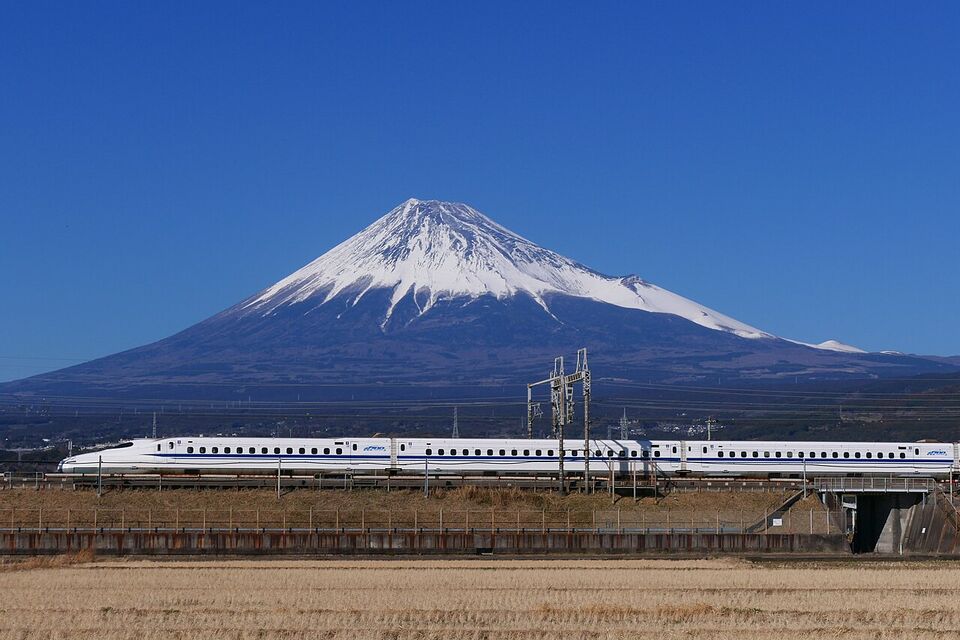
Distances look short on a map and are not. Japan is long and narrow: Tokyo to Hiroshima is about 500 miles (800 km) by rail, and Tokyo to Sapporo needs a flight. The bullet train (Shinkansen) is fast and punctual, but every change of hotel costs half a day once you count checking out, the station, the ride and finding the new hotel. Our rule is two nights minimum in each place and no more than four hotels in ten days.
The best season depends on what you want to see. Our month-by-month guide, When to Go to Japan, covers weather and crowds. In short: late March to early April for cherry blossoms (the most crowded and expensive), November for autumn leaves, and May, early June and October for mild weather with fewer people. Summer is hot and humid, and winter suits skiing and hot springs.
Different from home
You cannot drive your way around this trip. Most Americans use trains, subways and walking, and a rental car is a poor idea in Tokyo, Kyoto and Osaka. Cars make sense only in rural areas such as Hokkaido or Shikoku (see Driving in Japan). Pack light: stairs and crowded trains are the norm, and big suitcases are awkward.
The rules that shape any itinerary
- Fly into one city and out of another. Tokyo in, Osaka (Kansai Airport) out is the classic. An open-jaw ticket avoids a six-hour train ride back to Tokyo on the last day. See Flights to Japan for which US cities fly where.
- Forward your luggage. Hotels will send a suitcase ahead by takkyubin (courier) to your next hotel or the airport, usually ¥2,000 to ¥3,500 a bag (about $13 to $22; check the price at the front desk). You then travel with a day bag. Getting Around Japan explains how.
- Build in one slow day. Temples, stations and walking add up to 15,000 steps a day without trying.
- Check the calendar. Golden Week (April 29-May 5, 2027), Obon (about August 13-16) and New Year (December 29-January 3) fill trains and hotels. Cherry blossom week and the mid-November to early December leaf peak do the same.
- Use the Shinkansen reserved-seat system. Reserved seats are bookable one month ahead, and on busy days unreserved cars fill up.
Six sample itineraries
These are starting points, not fixed routes. Each uses real train times and sensible overnight stops. Day one is your arrival day: after a long flight you will mostly check in, walk and sleep. If you land in the afternoon, plan nothing.
1. Seven days: Tokyo, Hakone, Kyoto, Osaka
The first-trip classic. It is tight, so treat day one and day seven as travel days.
- Day 1
Arrive in Tokyo
Take the train from Haneda (Keikyu Line to Shinagawa takes about 20 to 25 minutes) or the Narita Express (about 53 to 60 minutes). Check in, walk, eat nearby, sleep early.
- Days 2-3
Tokyo
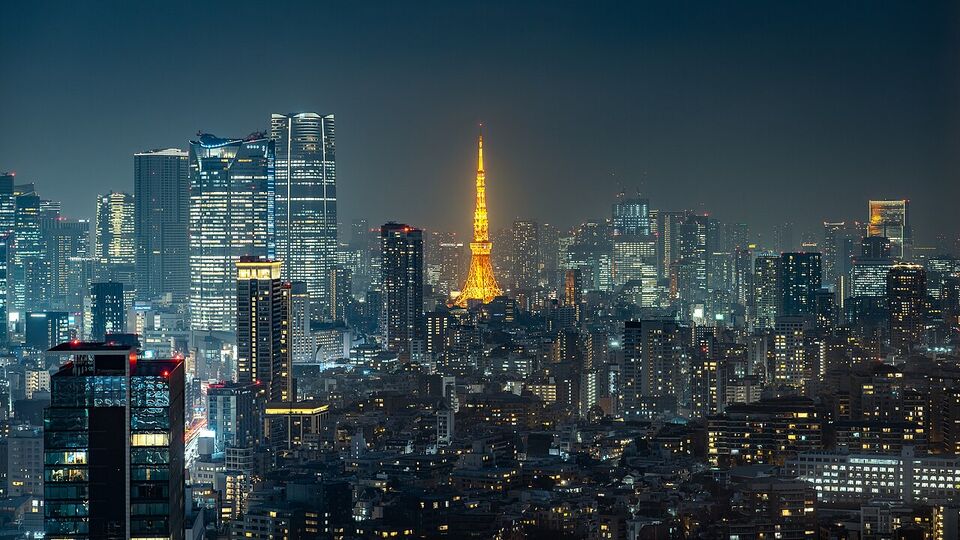
Pick neighborhoods, not lists: Asakusa and Senso-ji in the morning, Meiji Jingu and Harajuku, then Shibuya at dusk on day two; a teamLab museum, a market or a museum on day three. See Tokyo Sights.
- Day 4
To Hakone
Take the Odakyu Romancecar from Shinjuku (about 80 minutes to Hakone-Yumoto) or the Shinkansen to Odawara (35 to 50 minutes) plus a local train. Spend the afternoon on the loop route of ropeway, volcanic valley and lake boat, and sleep in an onsen inn. Odakyu lists the Hakone Freepass from Shinjuku at ¥7,100 for two days (about $45) as of November 2026, but passes are repriced from time to time, so confirm the price. Hakone has the details.
- Day 5
Hakone to Kyoto
Ride from Odawara to Kyoto on a Hikari or Kodama Shinkansen (about 2 hours 20 minutes to 3 hours, depending on the train). Evening in Gion or by the river.
- Day 6
Kyoto
Start at Fushimi Inari at 7 a.m. (free, open around the clock), then Kiyomizu-dera and the Higashiyama lanes. Kyoto Sights lists prices and quiet times.
- Day 7
Osaka and home
Take the 15-minute Shinkansen ride or a 30-minute JR rapid train to Osaka for lunch (okonomiyaki, takoyaki), then the Haruka express to Kansai Airport (about 80 minutes from Kyoto). Check the airline's check-in cut-off.
2. Ten days: the classic with Hiroshima, Miyajima and Nara
This adds the west and drops Hakone. It uses Kyoto as the hub for the middle days and gives you Hiroshima without a long extra train day.
- Days 1-3
Tokyo
Day one is for arrival. Use days two and three for the sights, plus a half-day trip to Kamakura or Nikko if you have energy (see Day Trips from Tokyo).
- Day 4
Shinkansen to Kyoto
The Nozomi takes about 2 hours 15 minutes and costs ¥14,170 (about $90) for a reserved seat. Drop bags, then walk the Philosopher's Path or Nishiki Market.
- Days 5-6
Kyoto, with a morning in Nara
Use the mornings for crowd-sensitive sights: Fushimi Inari or Arashiyama before 8 a.m. On one day, go to Nara (about 45 minutes from Kyoto on the JR Nara Line) for Todai-ji and the deer park.
- Day 7
Osaka by way of Himeji
Go west to Himeji Castle (about 30 minutes by Shinkansen from Shin-Osaka). Foreign visitors now pay ¥2,500 (about $16) to enter (since March 1, 2026). Sleep in Osaka and eat in Dotonbori. Read Himeji and Kobe before you go.
- Day 8
To Hiroshima
Shin-Osaka to Hiroshima takes about 1 hour 20 minutes to 1 hour 30 minutes on a Sakura or Nozomi train. Spend the afternoon at the Peace Memorial Park and Museum (¥200, about $1.30, per adult; check before you go).
- Day 9
Miyajima
Take the JR line to Miyajimaguchi (about 30 minutes) and a short ferry. The island charges a ¥100 (about $0.65) visitor tax per person aged 13 and over. Read Hiroshima and Miyajima for tide times and the torii.
- Day 10
Home from Kansai
Return by Shinkansen to Shin-Osaka, then the Haruka or a Nankai train to Kansai Airport (allow about 3 hours door to door from Hiroshima plus airport time). Or fly from Hiroshima to Tokyo on a domestic flight if you leave from Haneda or Narita.
3. Fourteen days: Tokyo, the Alps, Kanazawa and Kyoto
This route swaps one big city for mountain towns and a samurai city on the Sea of Japan. Check the weather: Takayama and Shirakawa-go get heavy snow from December to March, and some trains and buses slow down. A good time is May, June, October or November.
- Days 1-4
Tokyo
Four days, including arrival, with one day trip. See Tokyo for neighborhoods and hotels.
- Day 5
Tokyo to Kanazawa
The Kagayaki Shinkansen takes about 2 hours 30 minutes on the Hokuriku line. Visit Kenroku-en garden and the samurai and geisha districts. Kanazawa covers it.
- Day 6
Shirakawa-go to Takayama
Take a highway bus from Kanazawa to Shirakawa-go (about 1 hour 20 minutes), walk the thatched village, then continue by bus to Takayama (about 50 minutes). Buses on this route are by reservation on some operators, so book ahead (see the Shirakawa-go access page for operators).
- Day 7
Takayama
Old town streets, the morning markets and a sake brewery visit. The Japanese Alps has options for Matsumoto, Kamikochi and the Nakasendo.
- Day 8
Takayama to Kyoto
Take the Hida limited express to Nagoya (about 2 hours 20 minutes to 2 hours 30 minutes), then the Shinkansen to Kyoto (about 35 minutes).
- Days 9-11
Kyoto and Nara
Three days gives you the eastern temples, Arashiyama and a day to wander. Add Nara for a half day.
- Days 12-13
Osaka and a day trip
Stay in Osaka, then take a day trip to Himeji or Hiroshima, or relax and visit Osaka Castle.
- Day 14
Fly home from Kansai
Take the Nankai Rapi:t or JR Haruka to the airport.
4. Ten days: a winter trip to Hokkaido and Tokyo
For snow, hot springs and seafood, from mid-December to early March. Hokkaido is cold: Sapporo's average high in January is below freezing, and the snow is deep. If you fly to Sapporo from Tokyo, it takes about 1 hour 40 minutes.
- Days 1-4
Tokyo
Winter is clear and dry in Tokyo, and hotel prices in January are among the lowest of the year. Watch for the New Year closures, December 29-January 3 (see Japan in December and Japan in January).
- Day 5
Fly to Sapporo
The JR Rapid Airport train from New Chitose takes about 37 minutes to Sapporo Station. Try soup curry or miso ramen. If you are traveling in early February, the Sapporo Snow Festival is announced for February 4-11, 2027 (confirm on the official site).
- Day 6
Otaru day trip
The JR rapid train takes about 30 to 40 minutes to Otaru, a canal town known for seafood and glass shops.
- Days 7-9
Niseko
Resort buses from Sapporo take roughly 2.5 to 3 hours. Niseko United plans to open on November 28, 2026 (conditions permitting), with the main areas running to May 5, 2027 and some closing earlier in April. Skiers can read Skiing in Japan; non-skiers can try snowshoeing or the hot springs. Adult 1-day lift tickets for 2026-27 run ¥8,800 to ¥13,500 (about $56 to $86), depending on the part of the season (see our skiing guide for current prices).
- Day 10
Home
Take the bus back to New Chitose Airport and fly to Tokyo, or on to the US. United plans a seasonal nonstop San Francisco-Sapporo flight three times a week from December 11, 2026 through March 2027 (subject to government approval). See Hokkaido for how to plan the northern leg.
5. Ten days: Kyushu and Okinawa
This suits repeat visitors or anyone who wants warmth and a slower pace. Fly into Fukuoka by way of Tokyo or Osaka; there are no mainland US nonstops to Fukuoka or Okinawa. Typhoon season runs roughly June to October, and Okinawa gets the worst of it.
- Days 1-2
Fukuoka
Food stalls (yatai), temples, and a ferry ride or a short trip to Dazaifu. Fukuoka City adds a small hotel tax per person per night (see Where to Stay in Japan).
- Days 3-4
Nagasaki
Reach Nagasaki in about 2 hours by limited express and Shinkansen (change at Takeo-Onsen). See the Peace Park, Dejima and the harbor.
- Day 5
Kumamoto and Aso
The Shinkansen from Hakata to Kumamoto takes roughly 35 to 45 minutes. Check ahead whether the Aso volcano area is open; access to the crater varies with volcanic activity.
- Day 6
Kagoshima
Hakata to Kagoshima-Chuo takes about 1 hour 20 minutes to 1 hour 35 minutes on the fastest Shinkansen. Take the short ferry to Sakurajima volcano. Kyushu gives the passes and routes.
- Days 7-10
Okinawa
Fly from Kagoshima or Fukuoka to Naha (about 1 hour 30 minutes to 2 hours). Spend three or four nights on Okinawa's main island or day-trip to the Kerama islands. See Okinawa for the Churaumi Aquarium, reefs and the Shuri Castle rebuild.
6. A slow ten days for families
This one uses three bases, no rush, and kid-friendly stops. Japan is easy with children: public transport is clean and safe, and convenience stores sell simple food. Children under 6 ride the Shinkansen free if they do not need their own seat, and ages 6 to 11 pay half fare.
- Days 1-4
Tokyo
Use one hotel for all four nights, ideally on the Yamanote or a subway line with a direct airport link. Day two: Ueno Zoo or Asakusa. Day three: teamLab Planets (adults ¥3,800, about $24; children 4-12 ¥1,500, about $10; online only). Day four: Ghibli Museum if you secured tickets (adults ¥1,000, about $6). Tokyo Disney Resort is an option too (1-Day Passport for adults ¥9,900-¥12,400, about $63-$79).
- Day 5
Shinkansen to Kyoto
Reserve seats with the oversized-baggage area if you travel with large suitcases (bags with total dimensions of 161-250 cm need a reservation), or forward your suitcases and carry day bags.
- Days 6-7
Kyoto and Nara
Fushimi Inari for the gates, Nara for the deer (buy deer crackers only, and keep your distance), and the Nintendo Museum in Uji if you win the ticket lottery (adults ¥3,300, about $21, as of 2025; check the current price).
- Days 8-9
Osaka
Aquarium, Osaka Castle park and street food. Universal Studios Japan uses dynamic pricing since September 1, 2026, so check usj.co.jp for dates and Express Pass options.
- Day 10
Home from Kansai
Check the family section of Japan by Interest for strollers, baby rooms and hotel tips.
Insider tip
Rooms are small. A "double" often has a bed about 4.5 feet (1.4 m) wide. Families do better with a "twin" or "triple" room, a family room, or an apartment hotel with a washing machine. Book early for both, because there are few.
Bullet-train times and fares for planning
Use these times to sketch your route. Fares change, so check them when you book.
| Route | Fastest train | Time | Fare (reserved) |
|---|---|---|---|
| Tokyo to Kyoto | Nozomi | 2 h 13-15 min | ¥14,170 (about $90) |
| Tokyo to Shin-Osaka | Nozomi | about 2 h 22 min | about ¥14,500 (about $92) |
| Kyoto to Shin-Osaka | Shinkansen | about 15 min | Check at booking |
| Tokyo to Hiroshima | Nozomi | 3 h 50 min-4 h | About ¥19,000 or more (about $121; not confirmed) |
| Tokyo to Kanazawa | Kagayaki | about 2 h 30 min | Check at booking |
| Hakata to Kagoshima-Chuo | Mizuho or Sakura | 1 h 20-35 min | Check at booking |
Rail Pass holders can ride Nozomi only with a separate supplement of ¥4,960 (about $32) per ride between Tokyo and Kyoto or Shin-Osaka. For a Tokyo, Kyoto and Osaka loop, point-to-point tickets cost less than a pass. Run the math in Is the JR Pass Worth It? before you buy.
Save money
The Hikari costs a little less than the Nozomi on Tokyo-Kyoto (¥13,850, about $88, for a reserved seat, against ¥14,170, about $90) and takes about 25 minutes longer, at roughly 2 hours 40 minutes. It is also the train a Rail Pass covers without a supplement. If you are not in a hurry, it is the easy saving.
The booking timeline
Book in this order. The earlier items cost more if you wait, and the later ones sell out at specific times.
| When | What to book | Notes |
|---|---|---|
| 9 to 12 months out | Hotels for cherry blossom season | Advice from specialists is to book 6 to 12 months ahead, and no later than December for a spring trip. Rates peak from the last week of March through the first week of April. |
| 6 to 11 months out | Flights | Most airlines open fares around 11 months ahead. Peak dates sell out first. See Flights to Japan. |
| 4 to 6 months out | Ryokan (traditional inns) and hot spring hotels | Small inns have few rooms. Book earlier for autumn leaves and New Year. |
| 4 to 5 months out | Mount Fuji huts | Each hut sets its own opening date, often in spring for July to early September. The trail fee is ¥4,000 (about $25) and is separate. See Mount Fuji. |
| 3 months out | Nintendo Museum lottery | Apply up to three months ahead; results come by email in the first week of each month. |
| Check each tournament | Sumo tournaments | Official sales for 2027: Tokyo in January (on sale December 5, 2026), Osaka in March (February 6), Tokyo in May (April 10), Nagoya in July (May 15), Tokyo in September (August 7), Fukuoka in November (September 18). Per the official English ticket seller (May 2026 prices; check the 2027 list), chair seats run about ¥3,500 to ¥9,500 (about $22 to $61) depending on the seat and the day, four-person box seats about ¥34,000 to ¥60,000 (about $217 to $382) per box, and the English site adds a ¥2,000 (about $13) service fee per ticket. |
| 1 to 2 months out | Ghibli Museum | Sales open at 10 a.m. Japan time on the 10th of the month before your visit. Foreign visitors buy on Lawson Ticket's English site. Tickets are ¥1,000 (about $6) for adults and are checked against your passport. |
| 1 month out | Reserved Shinkansen seats | Open one month ahead at 10 a.m. Book early for holidays. |
| 2 to 4 weeks out | teamLab, Shibuya Sky | Timed tickets, online. teamLab Planets is ¥3,800 (about $24) for adults; check teamLab's site for when slots open. Shibuya Sky sells about two weeks ahead according to recent reports; sunset slots go first. |
Do not leave winter light-up events for the last minute. The Shirakawa-go winter light-ups for January 2027 (January 11, 17, 24 and 31) need an advance reservation. The village's site reports that the first round of parking reservations is sold out and that applications for the accommodation lottery closed on November 1, 2026. If you want the village at night, check the Tourist Association site for a later parking round, a bus tour or a different date.
Watch out
Many tickets are sold only to the lead booker's passport and cannot be resold. Ghibli Museum tickets are checked against the passport of the person who bought them. Book under the name that matches your travel document.
What the trip costs
The exact cost depends on hotel level, but a few fixed costs help planning. All prices use US$1 = ¥157, and rates move, so check before you go.
- Hotels. Business hotels in Tokyo and Osaka are often $ to $$; ryokan with dinner and breakfast are usually $$ to $$$. Taxes are per person per night: Tokyo charges about $0.65 to $1.30 (¥100 to ¥200) for rooms of ¥10,000 and up (a 3 percent tax is planned from fiscal 2027 but is not yet in force), Osaka about $1.30 to $3.20 (¥200 to ¥500) for pricier rooms, and Kyoto since March 1, 2026 charges from ¥200 (about $1.30) up to ¥10,000 (about $64) for rooms at ¥100,000 and above.
- Departure tax. ¥3,000 (about $19) per person is now part of the ticket price for departures from Japan on or after July 1, 2026.
- Trains. The Tokyo Subway Ticket is ¥1,000 (about $6) for 24 hours; local fares are modest. Long-distance Shinkansen fares are the big item.
- Cash. Cards work in most places, but smaller restaurants, temples and rural inns still take only cash. Read Money in Japan.
For a full estimate, use our budget calculator, or the trip builder to get a day-by-day plan from your dates.
Before you leave: a short checklist
- Check that your passport covers your whole stay and has a blank page. Americans need no visa for up to 90 days. See Entry Requirements.
- Complete Visit Japan Web (immigration and customs QR codes) before you fly.
- Check your medicines against Japan's rules; some common US products (including Adderall) are banned.
- Set up phone data: your US carrier's day pass, or an eSIM (see Staying Connected in Japan).
- Add a Suica or PASMO card to your phone wallet, or plan to buy a tourist card on arrival.
- Buy travel medical insurance with evacuation cover. US Medicare and most US plans do not pay in Japan.
- Read the packing list in our Packing Checklist.
Mistakes Americans make when planning
- Too many cities. Five hotels in seven days means you spend your trip on trains. Drop a stop.
- Booking Kyoto for one night. Kyoto deserves at least two full days.
- Assuming a rail pass saves money. It rarely does on short routes.
- Skipping reservations. Timed attractions sell out. Buy them first, then build the days around them.
- Ignoring holidays. Golden Week and New Year change the whole picture.
- Carrying too much. Pack for carry-on plus one bag and use luggage forwarding.
If you are comparing the two big cities, Tokyo vs Kyoto helps you split your days, and Japan's Destinations compares the regions.
Add it to a route in the trip builder, or ask us to plan the hotels, trains and guides for you.