Overview: Hiroshima and Miyajima
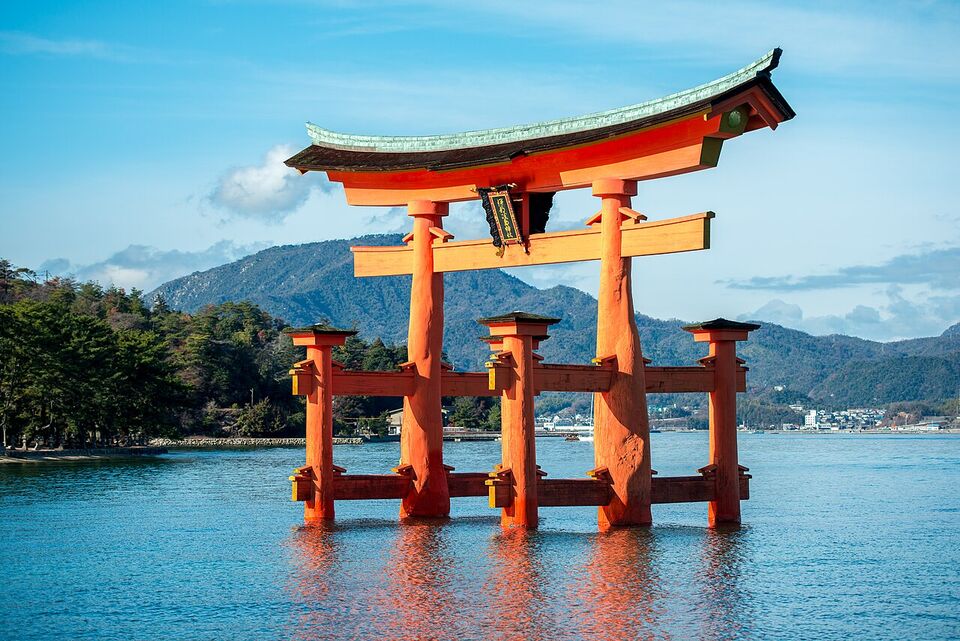
Hiroshima is worth the trip, and most visitors do it as one overnight stop. The city is known for the atomic bombing of August 6, 1945, and the Peace Memorial Park and Museum deal with it carefully and without spectacle. A short train and ferry ride away is Miyajima, the island with the red torii gate standing in the sea. Between them are good food, a friendly city and a hot, flat riverside layout that is easy to walk.
The two places are very different in mood. Give the park and museum a quiet half day and try not to rush. Then spend the second morning or afternoon on the island, where the mood is lighter and the shrine, the deer and the oysters are the draw.
This page covers the museum and park (price, crowds and booking), the A-Bomb Dome, okonomiyaki, the streetcars, the ferry, the Miyajima visitor tax, tide times for the torii, the Mount Misen ropeway, deer and Iwakuni, and how to fit it into a trip from Kyoto or Osaka.
How to fit it into a Kyoto or Osaka trip
Hiroshima is the farthest of the Kansai-based excursions, but the Shinkansen makes it manageable. From Shin-Osaka the fastest trains reach Hiroshima in about 1 hour 25 minutes, and from Kyoto in under two hours. From Tokyo it is about 3 hours 50 minutes to 4 hours on the Nozomi. A one-way ticket from Shin-Osaka costs roughly ¥10,000 for an unreserved seat and ¥11,000 for a reserved one (about $64 to $70); check the exact fare when you book.
JR Pass holders can ride the Sakura (and Hikari trains that run this far) without paying extra. The Nozomi needs a separate supplement, which for Tokyo or Shinagawa to Hiroshima is ¥6,500 (about $41). The pass is worth considering if you are also riding to Tokyo or elsewhere. Our JR Pass guide has the math and the current 2026 prices.
- Day trip from Osaka or Kyoto: possible, with an early train (about 7 a.m.), the museum by 9, the island by early afternoon and a return after the 6 p.m. rush. You will see the highlights but little else, and you will miss low tide on the wrong day.
- One night in Hiroshima (recommended): arrive by lunchtime, see the park and museum in the afternoon, eat okonomiyaki for dinner and go to Miyajima the next morning.
- Two nights: add Iwakuni, the Mount Misen hike or a night on the island.
Hiroshima also fits as part of a longer trip west toward Kyushu, since the Shinkansen continues from Hiroshima to Hakata in under an hour and a half. Our destinations overview shows the distances.
Peace Memorial Park and Museum
The Peace Memorial Park sits on an island in the river at the center of the city, at the point where the bomb exploded in 1945. It holds the Cenotaph for the Atomic Bomb Victims, the Peace Flame, the Children's Peace Monument (covered with strings of paper cranes) and the Peace Bell. The museum stands at the south end.
Prices, hours and booking
Adult admission to the Hiroshima Peace Memorial Museum is ¥200 (about $1.30), high school students pay ¥100 and junior high students and younger are free. The museum is open 7:30 a.m. to 7 p.m. from March to July and September to November, to 8 p.m. in August, and to 6 p.m. from December to February, with the last entry 30 minutes before closing. It is closed December 30 and 31 and for a week in mid-February (February 15 to 20 in 2027) to change the exhibits.
Timed entry is not required for ordinary visits. The museum does encourage an online ticket, because same-day lines can take a while and it can temporarily limit admission when it is crowded. Online reservation is required for the extended early-morning and evening sessions the museum runs, so if you want a quiet visit, book one of those. Times for these sessions differ by season: check the museum's official site for your date.
What to expect
Plan on 90 minutes to two hours. The main building shows the bombing and its aftermath, with personal items, photographs and survivor testimony. Some of it is hard to look at, and parents should decide whether young children are ready. The museum lists free guided tours by volunteers and a printed visitor guide for the main building. Crowds are heaviest from late morning to mid-afternoon, on weekends and during school trips in spring and autumn. Go at opening for the quietest visit.
Different from home
The tone here is solemn and focused on peace and survivors. Photographs are generally allowed in the park but check the signs inside the museum, and keep your voice low. No one expects an American to apologize or explain, and most visitors are Japanese school groups.
The A-Bomb Dome
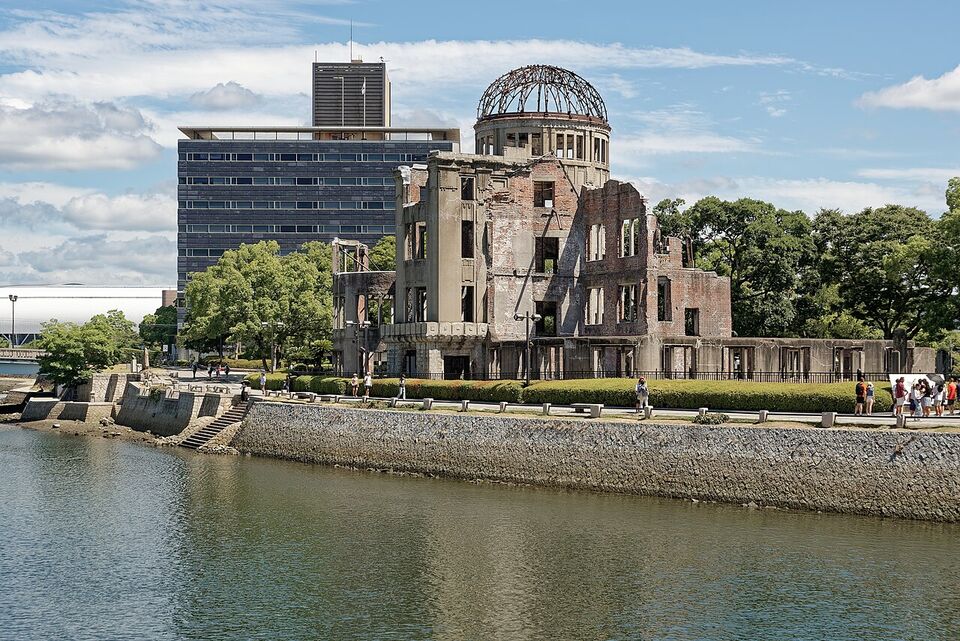
The Atomic Bomb Dome is the ruin of the old Hiroshima Prefectural Industrial Promotion Hall, the building closest to the point where the bomb exploded. It was left standing and has been preserved in the state it was found. UNESCO named it a World Heritage site in 1996. You cannot go inside, but you can walk around the fence and see it from the riverbank; it is free and open at all hours. Evening is quiet, and the building is lit after dark.
It is a few minutes' walk from the museum and is visible across the river from the park. If you arrive from Hiroshima Station, the Genbaku Dome-mae streetcar stop is right in front.
On August 6 every year the city holds a memorial ceremony at the park, and in the evening paper lanterns float down the river. The park gets very crowded that day, and hotels book out far ahead.
Eating in Hiroshima: okonomiyaki
Hiroshima-style okonomiyaki is a savory pancake that is layered rather than mixed, unlike the Osaka version. Thin batter goes on the griddle first, then cabbage, bean sprouts and pork, then fried noodles (soba or udon) and a fried egg on top, all finished with a sweet-savory sauce. A plate usually costs about ¥1,000 to ¥1,500 (about $6 to $10) with extra for toppings such as oysters or cheese.
Several buildings in the center bundle many small counters under one roof, with a griddle at each seat. The cook makes it in front of you and slides pieces onto your plate with a small metal spatula; eating with the spatula is normal. Lines at the famous counters can be long at dinner, so eat at lunch or at 5 p.m.
Oysters are the other local food, grown in the bay and in season from about October to March. On Miyajima you will also find grilled conger eel over rice and momiji manju, maple-leaf-shaped cakes filled with sweet bean paste. For more on regional dishes, see the Japanese food guide.
Getting around Hiroshima
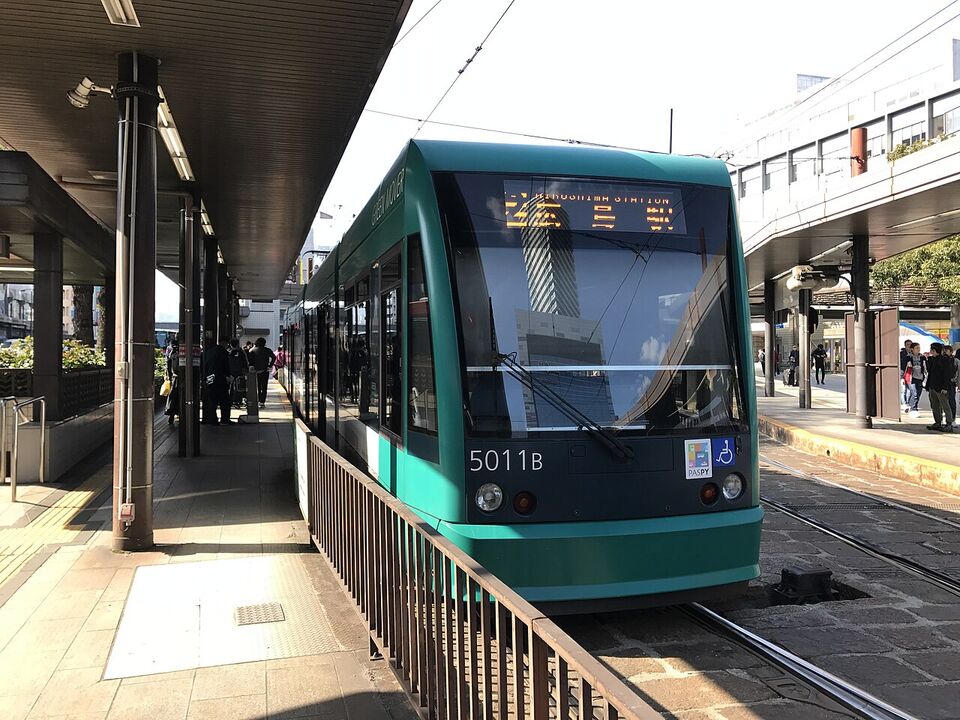
The city is flat and has an extensive streetcar (tram) network operated by Hiroden. The fare is a flat ¥240 (about $1.50) for adults in the city, paid when you get off, and IC cards work. The Peace Memorial Park is about 20 minutes by streetcar from the station (Genbaku Dome-mae stop).
Hiroden sells two one-day cards: the Streetcar Pass for ¥700 (about $4.50), and the Streetcar and Ferry Pass for ¥1,000 (about $6), which includes the Miyajima visitor tax and the ferry from Miyajimaguchi. The ferry portion is valid on the Matsudai Kisen ferry, not the JR ferry, and neither pass works on JR trains. The streetcar to Miyajimaguchi takes about 66 minutes, so most visitors take the JR line (about 30 minutes) to the same stop and then the ferry.
Several of the sights are walkable together. For an overview of local transport and passes, see getting around Japan.
Miyajima: the ferry and the visitor tax
Miyajima ("shrine island," officially Itsukushima) is 10 minutes by ferry from Miyajimaguchi. You can reach Miyajimaguchi from Hiroshima Station by JR Sanyo Line local train in about 25 to 30 minutes, or by streetcar. The ferries leave the terminal every 10 to 15 minutes in the daytime.
There are two companies. The JR West ferry costs about ¥200 (about $1.30) each way (the operator's fare page lists ¥180, so check the current fare), accepts IC cards and is covered by the JR Pass and the JR West Rail Pass. Its route passes close to the torii, so you get a good view from the deck, and it runs about 9 a.m. to 4 p.m. on the torii-view cruises. The other, Matsudai Kisen, also runs frequent service at the same ¥200 fare, but rail passes are not valid on it.
Since October 2023, visitors aged 13 and over pay a ¥100 (about $0.65) visitor tax to help pay for the upkeep of the island. It is built into the fare when you pay with a regular ticket or an IC card. If you ride on a JR Pass or JR West Rail Pass, you buy a separate ¥100 visitor tax ticket at the ferry terminal (the JR ferry operator says it is charged separately). Hiroshima Prefecture also began charging an accommodation tax in April 2026, reported at ¥200 (about $1.30) per person per night where the room rate is ¥6,000 or more; confirm with your hotel.
Itsukushima Shrine and the floating torii
Itsukushima Shrine is a UNESCO World Heritage site with buildings, corridors and a stage set on stilts over the sea. Admission is ¥300 (about $2), or ¥500 (about $3) with the Treasure Hall. The shrine opens at 6:30 a.m. and closes at 6 p.m. from March to mid-October, 5:30 p.m. from mid-October to November and 5 p.m. in December (hours shift in winter and around New Year, so check the shrine's site). The Treasure Hall is open 8 a.m. to 5 p.m.
The big torii gate, about 52 feet (16 m) tall, stands in the water in front of the shrine. It was under repair from 2019 and the scaffolding came down in December 2022, so you can see it in full now.
Tide times matter
At high tide the gate and the shrine appear to float on the water, which is the picture on every postcard. At low tide the bay becomes a mud flat and you can walk out to the base of the torii. The tide changes roughly twice a day, and the times move about 50 minutes later each day. Which of the two you prefer, and when each falls on your day, is a matter of luck unless you check. Look up the tide table for Miyajima on the island's tourist association website or the Japan Meteorological Agency pages before you plan.
A common plan is to arrive about two hours before high tide to see the shrine begin to flood, then walk out to the gate after the water drops. Sunset and evening illumination after dark look best at high tide, and the torii is lit in the evenings.
Insider tip
The island is quieter early in the morning and after the 4 p.m. ferries leave, once the day-trippers have gone. Staying on Miyajima for one night lets you see the torii at both tides. Ryokan and guesthouses on the island are limited, so book ahead for weekends and autumn.
Mount Misen, the ropeway and the deer
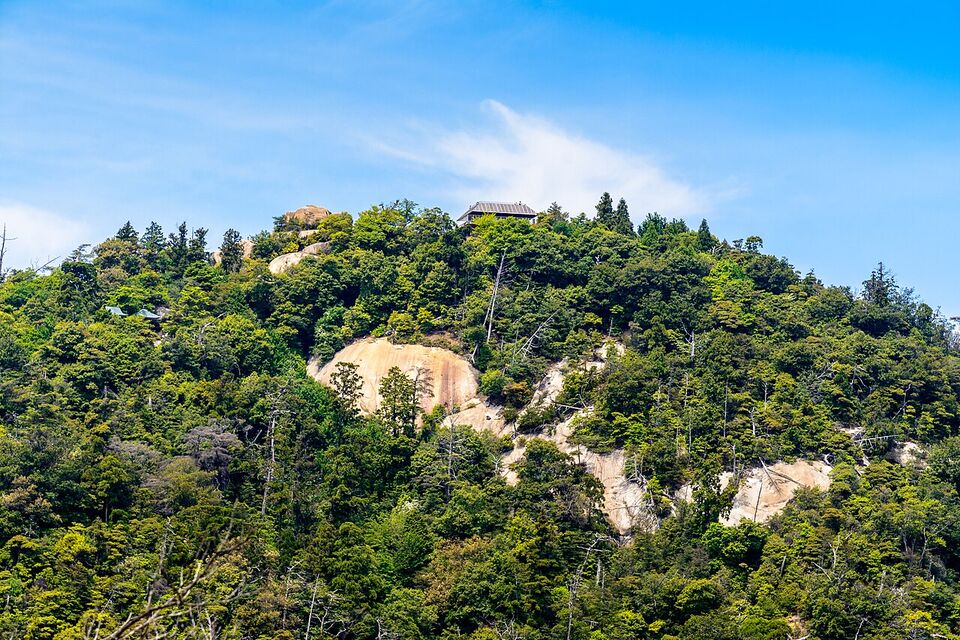
Mount Misen is the island's 1,755-foot (535 m) summit, with views across the Seto Inland Sea. The Miyajima Ropeway goes up in two sections from Momijidani Park. Adult fares are ¥2,000 (about $13) round trip or ¥1,100 (about $7) one way, and the ropeway operates about 9 a.m. to 4 p.m., with the last return at 4:30 p.m. Reservations may be offered or required on some peak autumn dates, so check the ropeway's website. It also pauses in bad weather and for maintenance, usually around February and July. From the upper station it takes about 30 minutes on foot to the summit. Walking up from Momijidani on the trail is possible too and takes about one and a half to two hours.
The deer wander across the island and into the shopping street. As in Nara, they are wild and used to people. Do not feed them, because it is discouraged and they will chase you for food. They also eat paper, including maps and train tickets, so keep those in a bag. Our Nara guide has more on how to treat deer.
Fresh oysters, grilled eel and maple cakes are sold on the Omotesando shopping street. The island's streets are lively at midday and quiet by evening.
Watch out
High winds and typhoons can suspend the ferries and the ropeway, and the weather in the Seto Inland Sea can change quickly in late summer. Keep your plans for the following day flexible, and check ferry and ropeway status on the day.
Iwakuni and other additions
Iwakuni, about 50 minutes south-west of Hiroshima on the JR Sanyo Line, is known for the Kintai Bridge, a five-arched wooden bridge from 1673 that crosses the Nishiki River. The crossing costs a few hundred yen, and a combined ticket adds a ropeway up to Iwakuni Castle on the hill. It is an easy half-day add-on, especially in cherry blossom season (late March to early April), and the local train is covered by the JR Pass. Confirm the bridge toll and ropeway fares on the Iwakuni city site.
Back in Hiroshima, Hiroshima Castle (a 1958 reconstruction) closed its main tower to visitors on March 22, 2026, with no reopening date we could confirm, so check the castle's site before planning around it. Shukkeien, the garden near it, is a pleasant place to spend an hour.
Where to stay and sample plans
For one night, stay around Hiroshima Station for the Shinkansen or in the Hondori shopping and Hatchobori area for restaurants and the streetcar. Business hotels charge under $120 ($) and are easy to book most of the year. Our where to stay guide explains Japanese hotel types. Rooms are most expensive around August 6, Golden Week and the autumn weekends.
- Day trip
From Osaka or Kyoto
Take an early Shinkansen, go to the park and museum first, have okonomiyaki for lunch, go to Miyajima by about 2 p.m. and take the last convenient train back, leaving before the evening peak.
- Day 1
Park, museum and okonomiyaki
Arrive by midday, drop your bags, visit the park and the museum in the afternoon and finish with okonomiyaki.
- Day 2
Miyajima
Take the first ferry you can, walk to the torii at low tide or see it float at high tide, ride the ropeway and be back by evening.
Practical notes
- Buy museum tickets online if offered for your date.
- Check the Miyajima tide table before you set your day.
- Carry ¥100 coins for the visitor tax (a rail pass does not cover it) and some cash for small stalls.
- Keep the next day flexible for weather and ferry suspensions.
- Check whether the Mount Misen ropeway wants a reservation on your date.
A final note on timing: spring and autumn are the best seasons, while August is hot and crowded around the anniversary. Our when to go page covers the seasons. Emergency contacts for Americans are on our safety page.
Add it to a route in the trip builder, or ask us to plan the hotels, trains and guides for you.