Which day trip from Tokyo is right for you?
Tokyo is surrounded by day trips that range from a 25-minute train ride to a 2-hour journey into the mountains. The ones that most visitors enjoy are Nikko (shrines and waterfalls), Kamakura and Enoshima (temples and the sea), Yokohama (a port city), Kawagoe (a small old town), Hakone (hot springs), the Fuji Five Lakes (views of the mountain) and Karuizawa (a cool-weather resort). We have left out places that are too far for most single days, and some that are mainly of interest to locals.
This page gives a quick comparison and then goes through each trip with the time, cost and what to see. Prices are from late 2026 where we could confirm them, and we flag the ones we could not. If you are building a longer trip, see the Tokyo guide and the regions overview.
| Trip | One way from Tokyo | Transport (round trip, approximate) | Best for |
|---|---|---|---|
| Yokohama | 25-30 min | Under ¥1,000 (about $6) | Easy half day, city views, food |
| Kawagoe | 25-60 min | About ¥1,000 (about $6) | Old merchant street, snacks |
| Kamakura and Enoshima | About 1 hr | About ¥2,000 (about $13) | Temples, the Great Buddha, the coast |
| Hakone | About 1 hr 25 min | ¥7,100 (about $45) with the 2-day pass | Hot springs, views, a ryokan night |
| Nikko | About 1 hr 50 min | About ¥6,300 (about $40) by Tobu with pass and express | Lavish shrines, waterfalls, lake |
| Fuji Five Lakes | About 1 hr 45 min | About ¥4,400 (about $28) by bus | Mountain views, lakes |
| Karuizawa | About 1 hr | About ¥12,000 (about $76), Shinkansen | Cool air, outlet shopping, leafy walks |
The costs above are for adults, they include only transport, and the Karuizawa and Kamakura estimates are approximate because fares changed in 2026 (JR East raised fares on March 14, 2026). Contactless credit cards are now accepted on many private Tokyo-area railways (see getting around Japan), but not on JR East lines.
Nikko
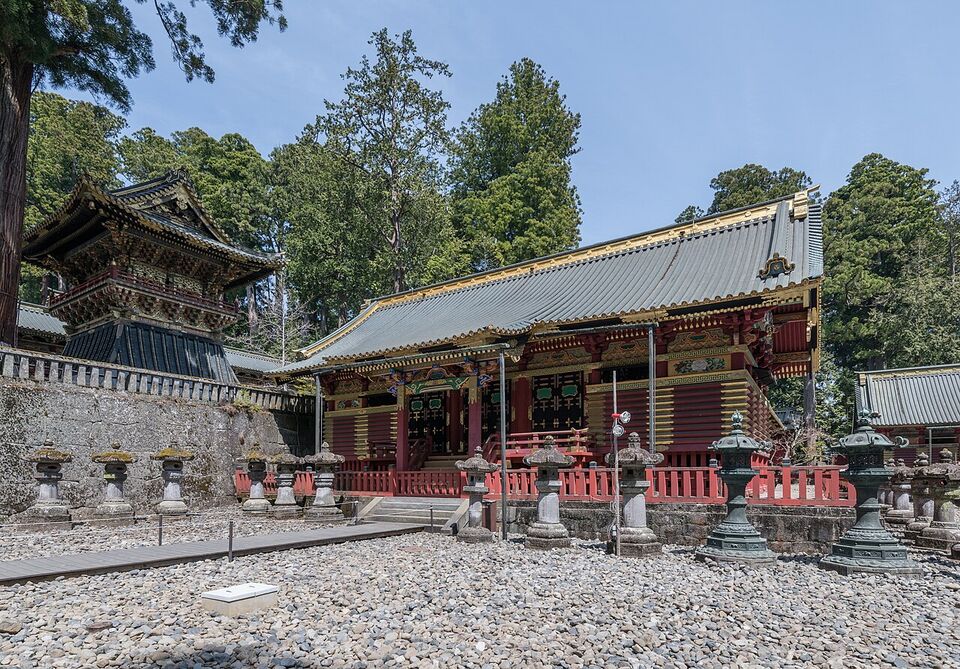
Nikko is about 90 miles (140 km) north of Tokyo, and it is the grandest day trip. Toshogu Shrine, the mausoleum of the first Tokugawa shogun, Ieyasu, is covered in gold leaf and carved animals, and is a UNESCO World Heritage site along with Rinno-ji temple and Futarasan Shrine. Beyond them are Kegon Falls and Lake Chuzenji, higher in the mountains. See also temples and shrines for what to do at them.
Tobu or JR?
The Tobu railway from Asakusa is the better choice for most visitors. The Spacia and Revaty limited expresses take about 1 hr 50 min to Tobu-Nikko Station. Reported fares are a base fare of about ¥1,400 (about $9) plus a reserved-seat limited express charge of about ¥1,650 (about $11) in normal seasons, ¥1,450 in low season and ¥1,850 at peak, so about ¥3,050 (about $19) one way. Check tobu.co.jp for the current figures. A cheaper way is the ordinary rapid train, which takes longer and has more changes.
The JR route is the Tohoku Shinkansen from Tokyo to Utsunomiya (about 50 to 55 minutes), then the JR Nikko Line (about 45 minutes), about 1 hr 45 min in all. It costs roughly ¥5,300 (about $34) one way without a pass. It makes sense only if you hold a Japan Rail Pass (see the JR Pass guide) or the JR Tokyo Wide Pass (reported at ¥16,000, about $102, for three consecutive days; check JR East). Tobu-Nikko and JR Nikko stations are about a 5-minute walk apart.
The Nikko Pass
Tobu sells two passes. The World Heritage Area pass is ¥3,000 (about $19) for adults and ¥1,500 for children, valid for 2 days. It covers the round trip on Tobu local trains from Asakusa (a normal return is about ¥2,800) and the buses around the shrines. The All Area pass is ¥8,000 (about $51) for 4 days and adds the buses to Lake Chuzenji and Oku-Nikko, and the lake cruise (which runs mid-April to November 30). Neither covers the limited express charge. Passes can be bought online from a month ahead or at Tobu's Asakusa tourist information center.
Save money
For a single day with just the shrines and a bus or two, the World Heritage Area pass is cheaper than separate tickets. If you take the Spacia both ways, budget about ¥6,300 (about $40) for transport.
What to see
Toshogu Shrine
The main shrine complex, with the carved "sleeping cat" and the Yomeimon gate. The shrine's official site lists ¥1,600 for adults, with ¥2,400 for a set including the Treasure Museum; check before you go.
Rinno-ji and Taiyu-in
A temple with a large hall of three Buddhas, and the more modest mausoleum of the third shogun, Iemitsu.
Futarasan Shrine
A quieter Shinto shrine among the cedars, a short walk from Toshogu.
Kegon Falls and Lake Chuzenji
A 330-foot (100 m) waterfall and a lake, 25 to 40 minutes uphill by bus from town. Roads are slow in the peak leaf season.
The Akechidaira Ropeway, which has a view of the falls and the valley, is closed for renovation from January 16, 2026, with reopening expected around September 2027. A combined ticket for the two shrines and temple has been reported as suspended, so each site charges its own price. Autumn leaves peak in the high country from mid-October to early November, and in Nikko town a little later, so by early to mid November expect past-peak color at Chuzenji. The shrines are bitterly cold from December to March.
Nikko is a full day trip, but a night in town or at Lake Chuzenji lets you see the shrines early before the tour buses arrive. See where to stay for ryokan advice.
Kamakura and Enoshima
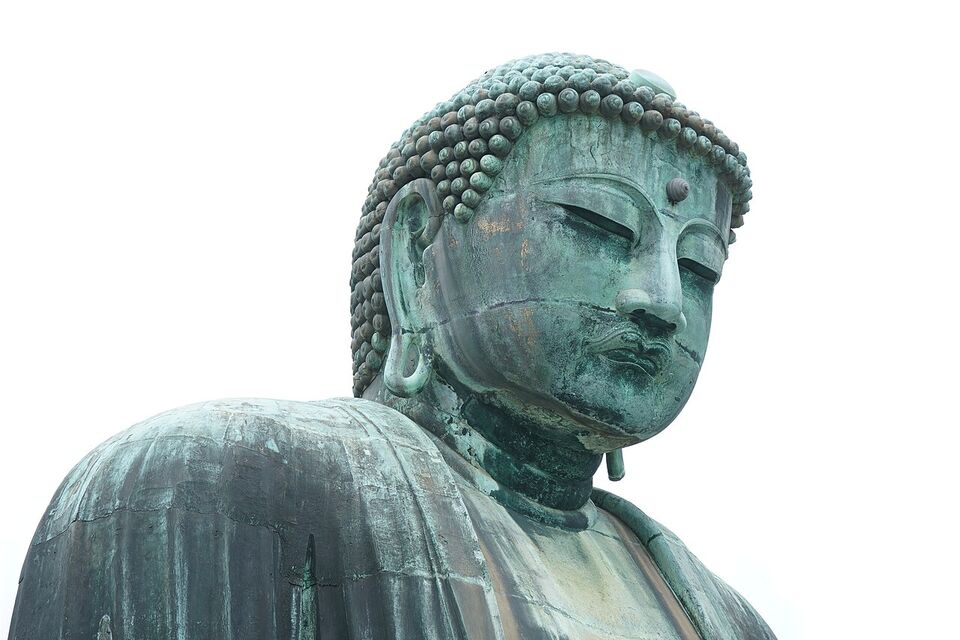
Kamakura was Japan's military capital from 1185 to 1333, and the Zen temples, hillside trails and big bronze Buddha remain. It sits on the coast about 30 miles (50 km) south of Tokyo. Enoshima is a small island with a shrine, caves and views, about 20 minutes away by the Enoden tram.
Getting there
The JR Yokosuka Line runs directly from Tokyo Station to Kamakura in about 57 minutes for roughly ¥1,000 (about $6) one way. From Shinjuku, the Shonan-Shinjuku Line connects, with a change at Ofuna. The Enoden runs between Kamakura and Fujisawa through Enoshima. The one-day Noriorikun pass is ¥800 (about $5), or ¥400 for children, and pays off at about three rides. The Odakyu "Enoshima-Kamakura Freepass" from Shinjuku is another option; check its price on Odakyu's site.
What to see
- Great Buddha (Kotoku-in). Grounds ¥300 (about $2), plus ¥50 to enter the hollow statue. Open 8 a.m. to 5:30 p.m. April to September, 5 p.m. October to March.
- Hasedera. ¥400 (about $3). During peak hydrangea bloom in June, walking the Hydrangea Path requires a separate ¥500 timed ticket.
- Tsurugaoka Hachimangu. The main shrine, with free grounds, at the end of the Wakamiya-oji avenue. Special exhibits cost extra.
- Kita-Kamakura Zen temples (Engaku-ji and Kencho-ji). A quieter second-day choice. We have not confirmed the 2026 prices, so check at the gate.
- Enoshima. The Sea Candle lookout is reported at ¥800 (about $5), the Iwaya Caves ¥500 (about $3), and a combined "Enoshima 1day" ticket ¥1,550 (about $10); we did not confirm these on official pages, so check before you go.
The railway crossing near Kamakura-Koko-mae Station is a popular photo spot from an anime. Crowds there have grown, so stay on the sidewalk and keep out of the road. We could not confirm any new local rules for 2026, so follow the signs and any staff instructions on site.
Summer weekends and June hydrangea days are the most crowded. For a day, do the Great Buddha and Hasedera in the morning, lunch in Komachi-dori, Tsurugaoka Hachimangu after, and the Enoden at sunset if energy allows. Swimmers should know that beaches here have strong currents, so check flags before entering the water.
Yokohama
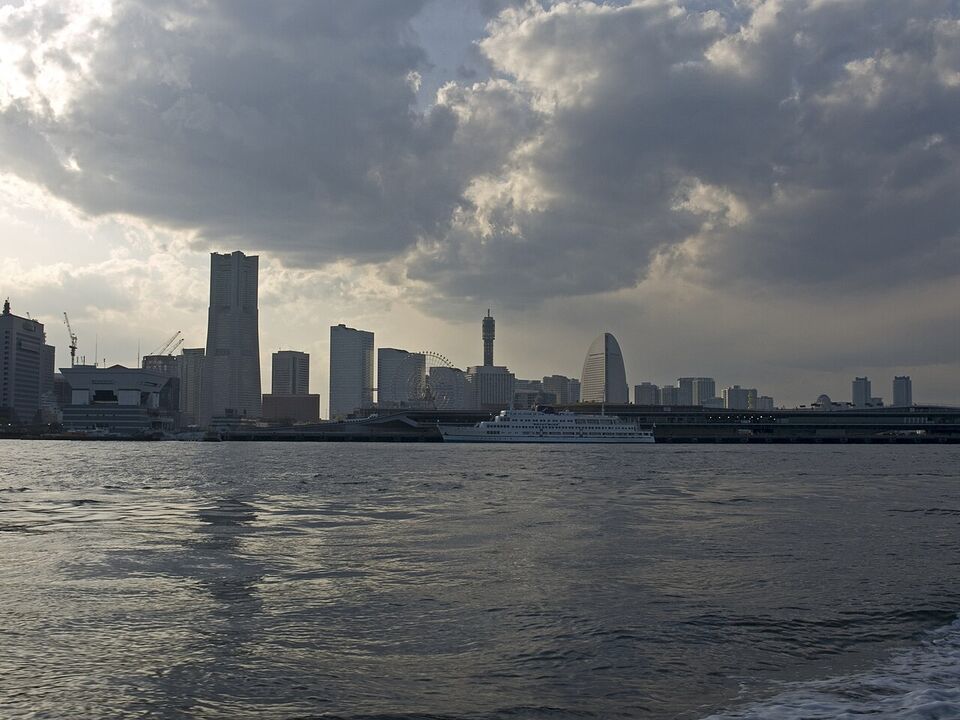
Yokohama is Japan's second-largest city and a port that opened to foreign trade in the 1850s. It is the easiest trip of all: about 25 to 30 minutes from Tokyo or Shinagawa on JR lines, or about 30 minutes from Shibuya on the Tokyu Toyoko Line without a change. Use a Suica, Pasmo or ICOCA card, or a contactless card on private lines.
The main area is Minato Mirai, a waterfront district of towers and a Ferris wheel (about ¥1,000 per ride). The Cup Noodles Museum charges ¥500 (about $3) for adults and is free for high-school students and under. Chinatown is free to walk, with food extra. The Red Brick Warehouse is free to enter, and Yamashita Park is open all day. Sankeien, a traditional garden with historic buildings, costs ¥900 (about $6). The Landmark Tower observation deck (Sky Garden) has been reported as closed with no reopening expected until 2028, so do not plan around it.
In 2027, Yokohama hosts the Yokohama GREEN x EXPO 2027, a horticultural exposition, from March 19 to September 26. A one-day ticket is ¥4,900 (about $31) in advance and ¥5,500 at the gate. It will make trains and hotels busy in spring. Yokohama is also a good base if you want cheaper hotels near Tokyo and an easy airport run to Haneda.
Kawagoe
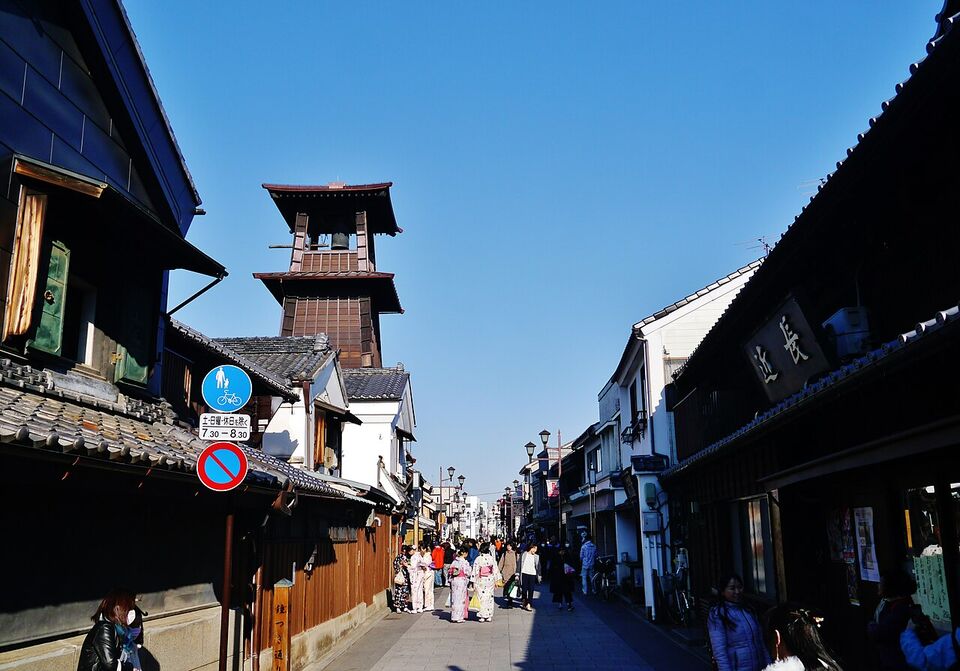
Kawagoe, about 20 miles (30 km) northwest of Tokyo, is called "Little Edo" because of its street of dark storehouses (kurazukuri), where merchants kept goods fireproof. It is small and walkable, and a good choice for an afternoon or when the weather is wrong for a mountain.
The fastest trip is the Tobu Tojo Line from Ikebukuro. The Kawagoe limited express takes about 25 minutes and costs about ¥490 (about $3) with no seat charge. The Seibu Shinjuku Line from Seibu-Shinjuku takes about 45 minutes by limited express, and the JR Kawagoe Line through-service from Shinjuku via Saikyo takes about 50 to 60 minutes. Honkawagoe Station on the Seibu line is closest to the old street. A Koedo Kawagoe one-day bus pass costs ¥500 (about $3).
Walk the main storehouse street, look at the Bell of Time (Toki no Kane, which rings at 6 a.m., noon, 3 p.m. and 6 p.m.), and browse Candy Alley (Kashiya Yokocho), where small bags of traditional sweets cost a few hundred yen. Kita-in temple (¥400, about $3) has 500 stone arhat statues. Many shops close at 5 p.m. The big Kawagoe Festival is held on the third weekend of October. Allow three to four hours.
Hakone
Hakone is the classic hot-spring escape, with a loop of mountain train, cable car, ropeway and a lake cruise. From Shinjuku the Odakyu Romancecar takes about 80 minutes. The 2-day Hakone Free Pass from Shinjuku is ¥7,100 (about $45). We cover the route, the ryokan and the luggage services in the Hakone guide. We suggest staying one night rather than doing the loop in a rush.
Mount Fuji and the Fuji Five Lakes
You can reach Lake Kawaguchi in about 1 hr 45 min to 2 hr on a highway bus from Shinjuku, for about ¥2,200 (about $14) each way (check the bus operator's current fare). Book a return seat when you book the outbound, because late-afternoon buses fill. The best day trip for views is winter, when the air is clear. In summer, Fuji is often hidden. In 2026 the climbing season ran from July 1 (some trails July 10) to September 10 with a ¥4,000 (about $25) fee; 2027 dates are typically similar, but check before you go. See the Mount Fuji guide for viewpoints, buses, the climbing season and the new rules for visitors.
Karuizawa
Karuizawa is a resort town on a highland in Nagano Prefecture, long known as a summer retreat from Tokyo's heat. It is about 60 to 70 minutes from Tokyo Station on the Hokuriku Shinkansen (Asama or Hakutaka trains), with frequent departures and non-reserved seats available. A round trip is roughly ¥12,000 (about $76); we could not confirm the 2026 fare, so check at the ticket machine.
The main draws are walking and shopping. Karuizawa Prince Shopping Plaza, an outlet mall with more than 200 stores, is a 3-minute walk from the station's south exit. Kumoba Pond is about 20 minutes on foot, and Kyu-Karuizawa Ginza, the old main street, has jam shops, bakeries and cafes. Rental bikes are easy to find near the station. Ride on the left side of the road. Since April 1, 2026, riding on the wrong side can bring a ¥6,000 (about $38) on-the-spot fine for riders 16 and over. Mountain sights such as Shiraito Falls need a car or a limited-schedule bus.
A day trip works for the outlet and the old street. Stay a night if you want the churches, the forest paths and early morning at the pond. Nagano Prefecture introduced a lodging tax in 2026, with tiered rates in Karuizawa, so check the amount when booking.
Other places, and what we left out
Mito, in Ibaraki Prefecture, is known for Kairaku-en, one of Japan's three great gardens, famous for plum blossoms in late February and March. It is about 1 hr 20 min from Ueno on the Hitachi limited express. It is a pleasant trip for plum season, but it is less useful than the others for most visitors, and we have not listed 2026 prices. Other options include Mount Takao (an easy hike on the Keio line, about 50 minutes from Shinjuku), Kawagoe (above) and Chichibu. For a list of outdoor trips, see the outdoors guide.
Choosing and planning
- One day, little effort: Yokohama or Kamakura.
- One day, big sights: Nikko.
- Weather good, one night: Hakone or the Fuji Five Lakes.
- Rainy day: Yokohama museums, Kawagoe or an indoor trip in Tokyo (see Tokyo sights).
- Families: Yokohama (Cup Noodles Museum) and Kamakura (the beach and the tram).
Check the weather the night before and book seats for weekends and national holidays (see when to go). Buy any limited-express seats online, and take small luggage, since coin lockers at big stations can fill. A day-trip itinerary can be built in our trip builder.
Insider tip
Stations in the Tokyo area all have a "last train" time that can be as early as 11 p.m. for the farthest trips. Check your return time before dinner, and leave a buffer so you do not have to pay for a taxi back (a long taxi ride from Kamakura or Kawagoe can cost ¥10,000 or more, about $64).
Add it to a route in the trip builder, or ask us to plan the hotels, trains and guides for you.