Overview: is January a good month for Japan?
January is a good month for Japan if you want quiet temples, clear winter skies, hot springs and snow, and do not mind the cold. After the New Year holiday ends, hotel prices drop to the lowest of the year in most cities, popular sights are far less crowded than in spring or fall, and flights from the US are often cheaper. The first three days are the exception: that is when Japan stops, and when much of the country is traveling at once.
This page covers January 2027: how the New Year closures work, hatsumode (the first shrine visit of the year), Coming of Age Day on January 11, 2027, the weather in eight cities, snow and snow monkeys, the sumo tournament, the Sapporo Snow Festival that follows in early February, and winter sales. For the full-year picture, see when to go to Japan, and if you are planning around the holidays, read Japan in December too.
Different from home
New Year, not Christmas, is Japan's big family holiday. Think of January 1-3 the way many Americans think of Christmas Day: shops shut, people travel to see family, and everything feels quiet. Christmas itself is a regular working day with illuminations and fried chicken.
New Year closures and what to expect
Government offices and many businesses close from about December 29 to January 3. Many shops and restaurants stay closed from December 31 through January 3, and some small family businesses close for a week. Banks and post offices are closed January 1-3, though ATMs in convenience stores keep running. January 1, 2027 falls on a Friday, so the break runs Friday to Sunday (January 1-3) and many people return to work on Monday, January 4. Expect travel on Saturday and Sunday.
What generally stays open:
- Convenience stores (7-Eleven, Lawson, FamilyMart), which also have ATMs that accept most foreign cards.
- Chain restaurants and fast food, and restaurants inside big stations and hotels.
- Major train lines, with reduced or special schedules on some local lines. Check the operator's page for January 1-3.
- Large shrines and temples, which run extra hours or stay open all night around the New Year.
- Department stores and shopping malls, which usually reopen January 2 (some on January 1) with winter sales. Hours differ by store, so check the store's site.
What often closes: small restaurants and izakaya (Japanese pubs), local markets, many museums and gardens from December 28 or 29 to January 3, and some ryokan (traditional inns) that fill with families. Always check opening dates for places you care about, and book dinner for New Year's Eve and January 1-3 well ahead.
Watch out
Shinkansen (bullet trains) and airports are at their busiest on January 2-4 as people return home. Reserve seats weeks ahead if you travel those days, and expect crowds at Narita, Haneda and Kansai on January 3-4. Hotel prices on January 1-3 are also higher than the rest of the month.
Hatsumode: the first shrine visit of the year
Hatsumode (the first shrine or temple visit of the year) takes place during the first three days of January, though many people go any time in the first week or two. People pray for health and luck, buy a charm (omamori) or a lucky arrow, draw a fortune slip (omikuji) and watch priests perform ceremonies. The biggest shrines draw enormous crowds: Meiji Jingu in Tokyo is generally reported to receive about three million visitors over the first three days in a typical year, which means long lines on the approach and slow movement through the grounds.
You do not need to be religious to join in, and visitors are welcome. The same manners apply as at any shrine (see etiquette and temples and shrines): bow at the gate, rinse your hands at the water pavilion, throw a coin in the offering box, bow twice, clap twice, pray and bow once more.
Where to go
Meiji Jingu, Tokyo
The most visited shrine in Japan at New Year. Go after January 4 for a calm walk through the forest, or arrive at first light on January 1 if you want to join the ritual. Entry may be controlled, with queues and one-way flow.
Fushimi Inari Taisha, Kyoto
The torii gate path is busy with worshippers on New Year's Day. Go before dawn or on a weekday after January 7 if you want photos without crowds.
Senso-ji, Tokyo
Nakamise street is packed in the first days of January, with stalls selling food and charms. Go early in the morning if you want to see the temple at all.
Local shrine
A neighborhood shrine is a good choice if you want the experience without waiting two hours. Look for the stalls selling hot amazake (sweet rice drink) and the bonfire where people burn last year's charms.
Dress warmly, because lines move slowly outdoors in winter. Bring cash for offerings and charms. Pickpockets and large crowds are the main hazards, so keep your bag in front of you. Some shrines run crowd-control systems and may close entrances temporarily, so follow staff directions.
Coming of Age Day: January 11, 2027
Coming of Age Day (Seijin no Hi) is a national holiday on the second Monday of January, which is January 11, 2027. It marks the start of adulthood for people who turn 20 in the school year (the legal adult age is now 18, but many towns still hold ceremonies for 20-year-olds). Because it is a Monday holiday, January 9-11 is a three-day weekend in Japan.
Visitors will notice young women in bright furisode (long-sleeved kimono) and young men in dark suits or hakama near city halls, shrines and train stations, often on the Sunday or Monday morning. Photos from a polite distance are usually fine, but ask before taking close-ups. Banks, post offices and government offices are closed, while shops, restaurants, and most attractions are open. Expect more crowds at some places that weekend, especially at attractions popular with domestic tourists.
Weather in January
January is the coldest month nearly everywhere in Japan. The sharp divide is between the Pacific side (dry, sunny, cold) and the Sea of Japan side (cloudy, snowy). The figures below are approximate long-term averages; individual days can vary by 10°F (6°C) or more.
| City | Daytime high | Night low | What to expect |
|---|---|---|---|
| Tokyo | About 50°F (10°C) | About 36°F (2°C) | Dry and sunny; snow is rare; Mount Fuji often visible |
| Kyoto | About 49°F (9°C) | About 34°F (1°C) | Cold, with occasional light snow |
| Osaka | About 50°F (10°C) | About 37°F (3°C) | Dry and cold |
| Hiroshima | About 50°F (10°C) | About 34°F (1°C) | Dry and cold |
| Fukuoka | About 50°F (10°C) | About 38°F (3°C) | Cloudier, windier |
| Nagano (Alps) | About 38°F (3°C) | About 22°F (-6°C) | Snow in the mountains |
| Sapporo | About 31°F (-1°C) | About 18°F (-8°C) | Heavy snow; sunny days are rare |
| Naha (Okinawa) | About 66°F (19°C) | About 58°F (14°C) | Mild but windy and often cloudy |
Pack warm layers, a windproof coat, gloves and a hat. Indoor spaces are well heated, so layers that come off are more useful than one bulky coat. In Hokkaido and the mountains, bring waterproof boots with good grip. Convenience stores sell cheap disposable heat packs (kairo) that warm your pockets for hours. More packing advice is on the packing page.
Daylight is short. In Tokyo, the sun rises around 6:50 a.m. and sets around 4:45 p.m. in early January, and in Sapporo sunset is a little after 4 p.m. Plan outdoor sights for the morning and early afternoon.
Snow: Hokkaido, Nagano and the Sea of Japan coast
January is the heart of Japan's snow season. Cold winds from Siberia pick up moisture over the Sea of Japan and dump it on the mountains, creating dry powder that skiers travel across the world to find. The heaviest snow falls in northern Honshu (Niigata, Toyama, Ishikawa), the Japanese Alps, Tohoku and Hokkaido.
- Hokkaido. Niseko, Rusutsu and Furano are the best known ski areas, and Sapporo is a good base. Read the Hokkaido guide for the island's winter basics.
- Nagano and the Alps. Hakuba, Nozawa Onsen and Shiga Kogen are well set up for English-speaking visitors. See the Japanese Alps.
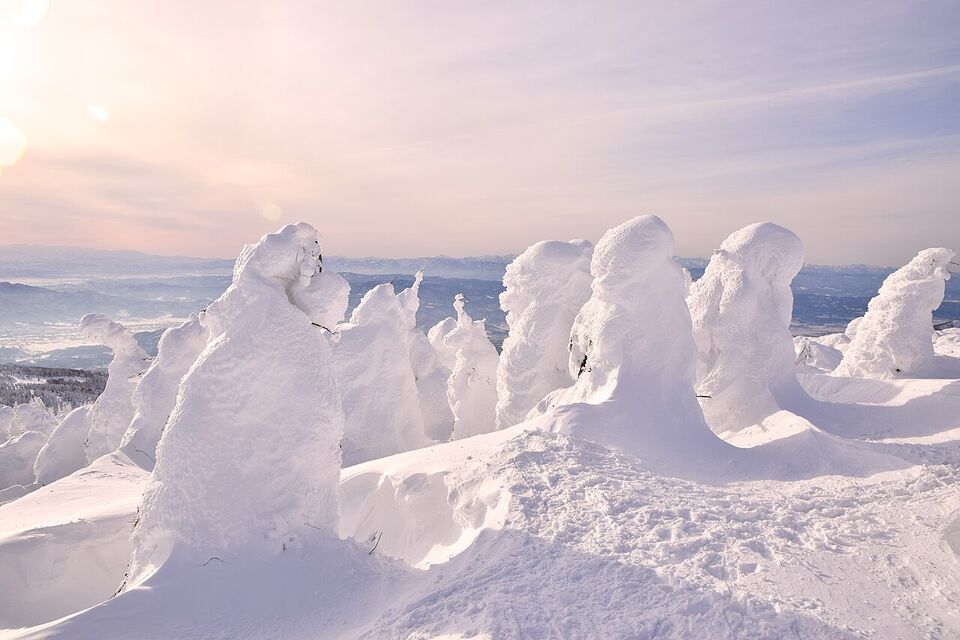
- Tohoku. Zao Onsen is known for its snow-covered "snow monster" trees (juhyo), usually best from late January to February. See Tohoku.
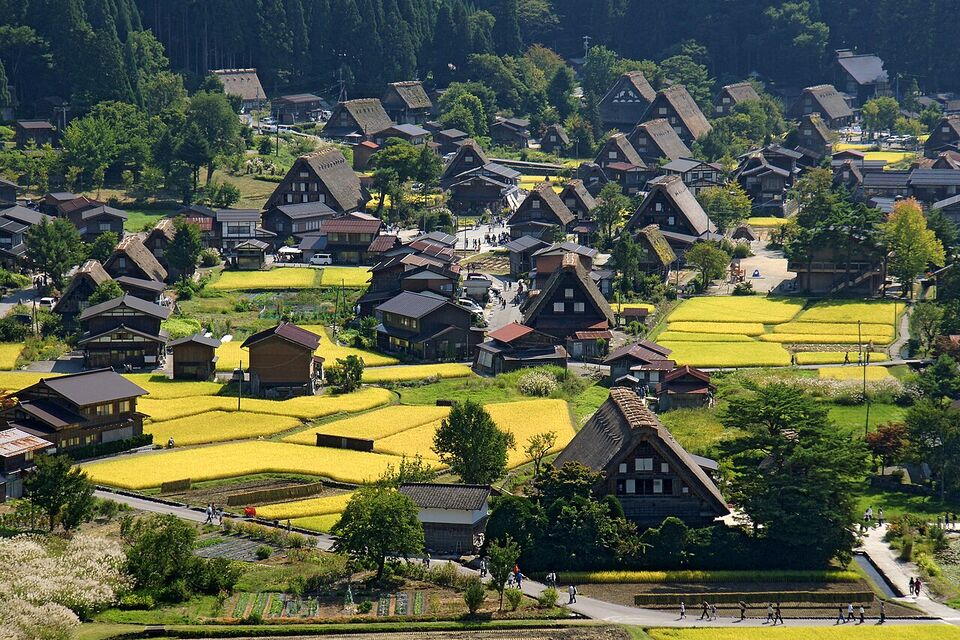
- Kanazawa and Shirakawa-go. Thatched farmhouses under snow are a classic winter scene. Winter light-up evenings at Shirakawa-go require advance reservations. The 2027 dates are January 11, 17, 24 and 31, and the village's site reports that the first round of parking reservations is sold out and that the accommodation lottery closed on November 1, so check the Tourist Association site for what is left.
For lift tickets, gear rental and resort choices, see skiing. Budget for lift tickets that cost more than many Americans expect: Niseko United's adult 1-day ticket for 2026-27 is ¥8,800 to ¥13,500 (about $56 to $86), depending on the part of the season, with no separate resident price. Some towns also charge a lodging tax that rose in 2026: Niseko Town's rate is reported to change to 3 percent from November 2026, and Hokkaido's prefecture-level tax began in April 2026. Rates and dates may change, so check before you book.
Insider tip
United plans a seasonal nonstop from San Francisco to Sapporo (New Chitose) three times a week from December 11, 2026 through March 2027, subject to government approval, and Air Canada plans a Vancouver-Sapporo route from December 17, 2026. If you fly to Hokkaido for skiing, check these before connecting through Tokyo.
Winter driving and travel in snow
Trains and buses mostly keep running in snow, but heavy storms can delay Shinkansen on snowy lines (Joetsu, Hokuriku and Tohoku) and flights to Hokkaido. Leave an extra day before an international flight home. If you rent a car, read driving first: you need an International Driving Permit, and winter roads in the north call for snow tires or chains and experience.
Snow monkeys at Jigokudani
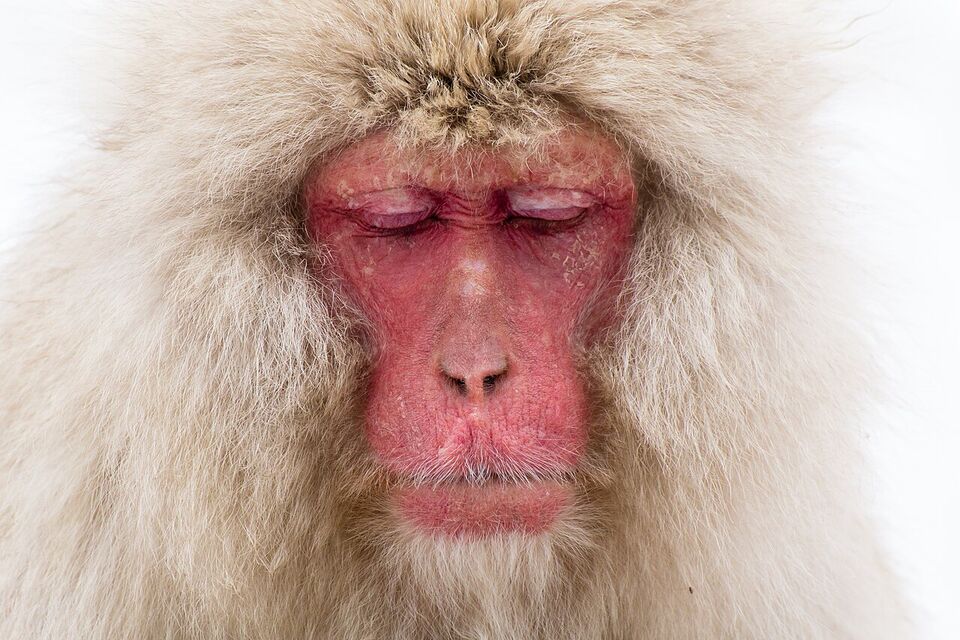
Jigokudani Yaen-koen (the Snow Monkey Park) in Nagano Prefecture is where wild Japanese macaques soak in a hot spring surrounded by snow. January is one of the best months to go, because deep snow makes the scene look like the photos. It is at an altitude of about 2,800 feet (850 m), and the park describes itself as buried under snow for about a third of the year.
The facts as of November 2026: the park is open every day of the year, with winter hours of 9 a.m. to 4 p.m. from November to March (arrive at least 30 minutes before closing). Adult admission was ¥800 (about $5) and children 6-17 were ¥400 (about $2.50). The park says fees change on December 1, 2026, but we could not confirm the new amounts, so check its website. One resort operator also reports that timed advance online tickets are required for peak winter (December to March), while the park's own page says it takes no advance reservations, so check before you travel. It may close or shorten hours without notice due to weather or monkey behavior.
To get there from Nagano Station, take the express bus toward Shiga Kogen (about 41 minutes) to the stop for the park, then walk about 30 to 35 minutes along a forest path. It is partly unpaved, with steps and ice, so wear boots with grip. Many people combine the visit with a night at a hot spring town such as Shibu Onsen or Yudanaka. For a day trip, a tour from Tokyo costs far more than the train and bus, but saves the effort of planning.
Watch out
The monkeys are wild. Keep at least 10 feet (3 m) away, do not feed them or look them in the eye, and keep food hidden. The trail is icy in January, so slow down and use handrails.
Sumo, Hakone Ekiden and other January events
- Hatsu Basho (Tokyo sumo). The year's first grand tournament is held at the Ryogoku Kokugikan in Tokyo, usually starting on the second Sunday of January and lasting 15 days. The Japan Sumo Association lists January 10-24, 2027, with advance tickets on sale from December 5, 2026. Check its site for seats, because weekends sell out. See pop culture for other spectator events.
- Hakone Ekiden. The two-day university relay race runs from central Tokyo to Hakone and back on January 2 and 3 each year, with road closures on the route. Plan travel around it if you are in Tokyo or Odawara.
- Imperial Palace New Year greeting. The Emperor and family usually appear to the public on January 2. Check the Imperial Household Agency for the schedule and entry rules.
- Winter illuminations. Many Tokyo and Kansai displays end by mid-January or February. Check each display's closing date.
For more festivals through the year, see festivals and holidays.
The Sapporo Snow Festival build-up
The Sapporo Snow Festival, one of Japan's biggest winter events, is held in February, not January. The festival's official Japanese site lists dates of February 4 to 11, 2027 for all three venues: Odori Park (the main snow sculptures), Susukino (ice sculptures) and Tsudome (a snow playground). We could not find a 2027 date announcement in English, so check the official site again before booking.
In the last two weeks of January, crews begin building the large sculptures in Odori Park, and you can often see work underway (the Ground Self-Defense Force traditionally helps build the largest ones). If you arrive in Sapporo before opening day, you will see unfinished work, not the finished show. Hotels in Sapporo sell out for the festival dates, so book early, or plan a stay around it (see Hokkaido).
Some other snow festivals in northern Japan have different dates, so verify each one on its own site.
Winter sales and lucky bags
January is the best month for shopping bargains. Department stores, electronics shops and fashion chains start winter sales around January 2, with discounts that deepen through the month. The signature item is the fukubukuro (lucky bag), a sealed bag of goods sold at a fixed price that is worth more than you pay. Popular bags sell out within hours, and the lines on January 2 can be long.
The new tax-refund system matters if you shop. Since November 1, 2026, tourists pay the full tax-inclusive price at the register and claim the refund when they leave Japan. The minimum spend is ¥5,000 (about $32) before tax per store per day. Goods must leave Japan with you, so don't open consumables, and start the procedure at the airport before you check bags. The full rules are on the money in Japan page.
Save money
January is the cheapest month for hotels in Tokyo and Kyoto once the New Year rush ends, and it is also low season for flights from the US. Book flights that arrive on January 5 or later and you avoid the peak fares of the New Year week. Winter is also when hot spring ryokan offer their best rates, outside holiday weekends such as January 9-11.
Hot springs and winter food
Few things suit a January trip as well as an onsen (hot spring), especially an outdoor bath with snow falling. Good winter choices include Kinosaki Onsen in Hyogo, Nozawa Onsen in Nagano, Noboribetsu in Hokkaido and the Hakone area near Tokyo. If you have tattoos, check the bath's policy first. Our onsen page has the rules and etiquette.
The season's food is just as good. Look for hot pot dishes such as nabe, crab in Hokkaido and the Sea of Japan coast, oden (simmered dishes) at convenience stores and street stalls, and oysters in Hiroshima. Many restaurants serve special New Year dishes called osechi only in the first days of January, and ozoni (rice cake soup) is traditional on January 1.
Seasonal fruits, especially strawberries, are at their best, and strawberry sweets turn up everywhere.
A sample January trip
- Jan 5-12
Tokyo, Kyoto and the snow
Arrive after the New Year rush. Spend three or four nights in Tokyo (visit Meiji Jingu and Senso-ji when the crowds thin, then a sumo tournament day if you can get tickets), then take the Shinkansen to Kyoto for temples in quiet winter light. See Tokyo and Kyoto.
- Jan 12-18
Nagano and the snow monkeys
Travel to Nagano for Jigokudani and a night at a hot spring town, then ski at Hakuba or Nozawa Onsen if you like. This works well as an add-on to a Tokyo-based trip.
- Late Jan
Hokkaido
Fly to Sapporo for powder skiing at Niseko or Rusutsu, and see the Odori Park sculptures take shape. Come back for opening day if your dates allow.
Whether you build a short Tokyo-Kyoto trip or an ambitious ski itinerary, January rewards a flexible schedule: weather can change, and a snowy day is a good day for a museum or an onsen. If you want to add a neighbor to the trip, see Japan and its neighbors.
Add it to a route in the trip builder, or ask us to plan the hotels, trains and guides for you.