Overview: is February a good month for Japan?
February is a good month for Japan if you want snow, hot springs, quiet temples and low prices, and you can handle the cold. Tokyo and Kyoto are dry and bright, hotels are cheaper than at any other time except January and June, and the big sights are far less crowded than in spring. Hokkaido and the Japan Alps are in peak powder season, and the Sapporo Snow Festival fills the first full week of the month. The main drawbacks are the cold, short days and, on the Sea of Japan coast, a lot of gray weather.
This page covers February 2027: the weather in eight cities, the Sapporo Snow Festival (February 4-11), snow country and drift ice, Setsubun on February 3, plum blossoms, the Nagasaki Lantern Festival, Valentine's Day Japanese style, national holidays and prices. For the full-year picture, see when to go to Japan. If you are weighing the months on either side, read Japan in January and Japan in March.
Different from home
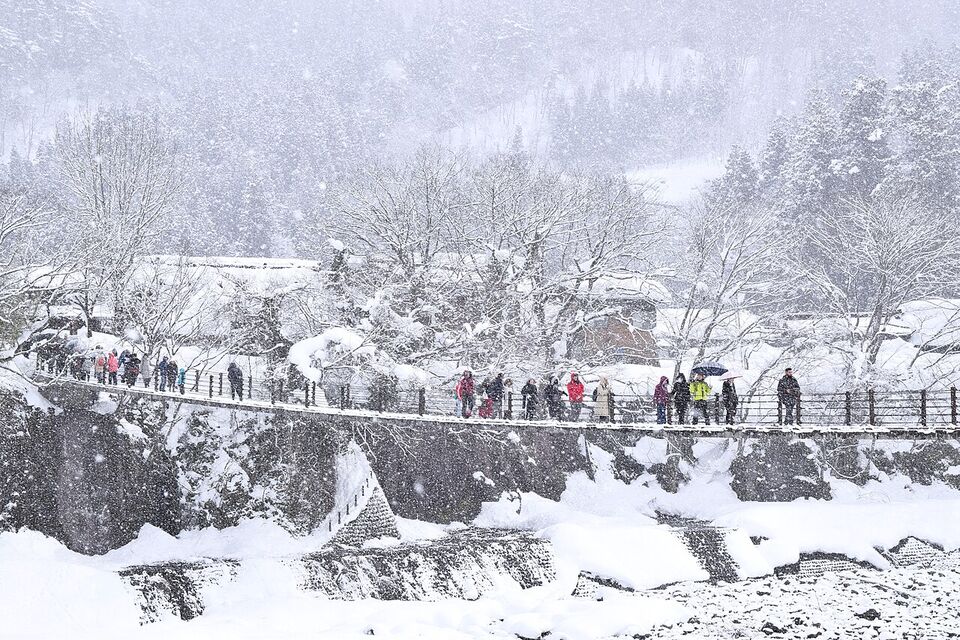
Japan's winter is dry in Tokyo and snowy on the west coast, which surprises Americans used to snow arriving from the west and north together. The Pacific side, with Tokyo, Kyoto and Osaka, gets cold, clear days. The Sea of Japan side, with Niigata, Kanazawa and western Hokkaido, gets the heavy snow.
Weather in February
February is still deep winter, and in most cities it is as cold as January or slightly colder at night. The figures below are approximate long-term averages and individual days can differ by 10°F (6°C) or more. We did not pull them from a live weather source, so treat them as a guide and check the forecast a week before you go.
| City | Daytime high | Night low | What to expect |
|---|---|---|---|
| Tokyo | About 52°F (11°C) | About 36°F (2°C) | Dry and sunny; rare snow; Mount Fuji often clear |
| Kyoto | About 49°F (9°C) | About 34°F (1°C) | Cold, bright, occasional flurries |
| Osaka | About 50°F (10°C) | About 37°F (3°C) | Dry and cold |
| Hiroshima | About 49°F (9°C) | About 35°F (2°C) | Dry and cold |
| Fukuoka | About 50°F (10°C) | About 38°F (3°C) | Cloudy, windy, the odd snow day |
| Nagano (Alps) | About 39°F (4°C) | About 24°F (-4°C) | Snow in the hills, sun in town |
| Sapporo | About 31°F (-1°C) | About 19°F (-7°C) | Deep snow; the coldest weeks of the year |
| Naha (Okinawa) | About 66°F (19°C) | About 59°F (15°C) | Mild but often cloudy and windy |
Pack warm layers, a windproof coat, a hat and gloves. Indoor spaces, trains and shops are heated, sometimes strongly, so you want layers that come off. In Hokkaido and the mountains, waterproof boots with real grip matter more than a heavier coat. Convenience stores sell cheap disposable heat packs (kairo) for pockets and shoes. See packing for Japan for a full list.
Days are short but getting longer. In mid-February the sun rises around 6:30 a.m. in Tokyo and sets around 5:20 p.m. Sapporo's sunset is closer to 5 p.m. Plan outdoor sights for the morning and early afternoon, and save museums, hot springs and food halls for dusk.
The Sapporo Snow Festival, February 4-11, 2027
The Sapporo Snow Festival (Sapporo Yuki Matsuri) is the big reason many visitors choose early February. The festival's official site lists February 4 to 11, 2027, for its three venues, and the Hokkaido pages of this guide give the same dates. February 11 is a national holiday (National Foundation Day), which makes the closing weekend the busiest.
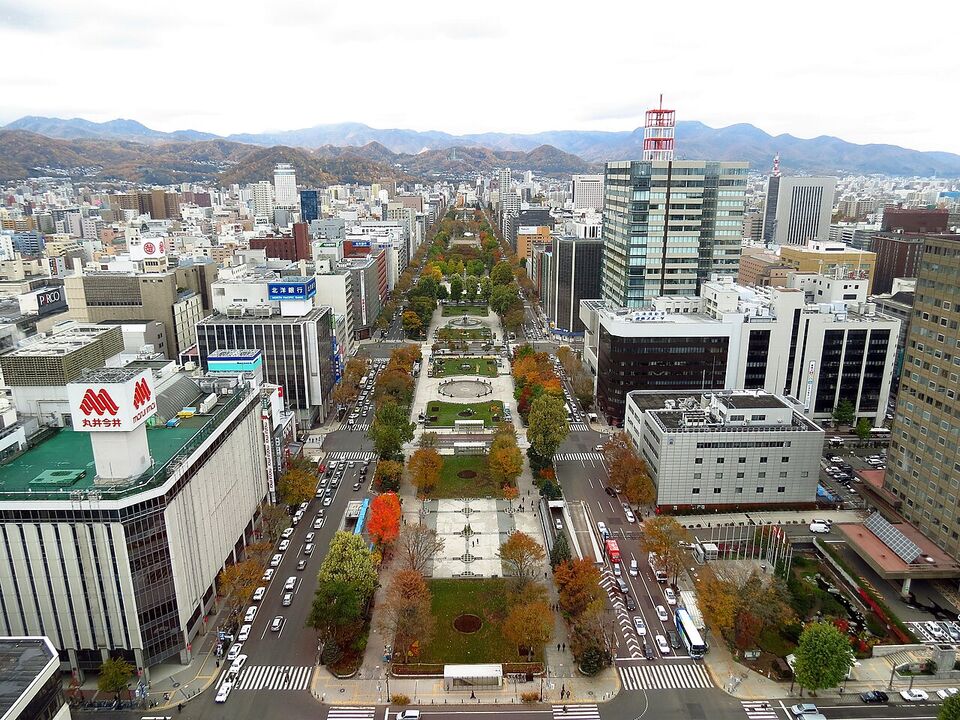
- Odori Park. The main site, with huge snow sculptures along the city's central park. The biggest pieces are often built by teams that include Ground Self-Defense Force members, and the lit-up evening view is the one most people photograph.
- Susukino. The entertainment district hosts ice sculptures along its main street, which are best after dark.
- Tsudome. A snow playground (slides and rides) a short trip from downtown, popular with families.
Our Hokkaido page says the festival is free to walk through. Opening hours for 2027 were not posted when we checked, and we could not confirm whether any Tsudome activities charge, so check the official site. Also check the official site before you book for the sculpture theme and any schedule changes: we found the dates in the festival's Japanese-language listing and no English announcement.
Booking Sapporo for the festival
Hotels in central Sapporo sell out or double in price for the festival, and some of the best rooms go months ahead. If the rates are too high, stay in Otaru (about 30 to 40 minutes by JR) or a ski town and day-trip in. Sapporo and Hokkaido now add lodging taxes on top of the room rate (reported at about ¥300 to ¥1,000 per person per night combined, depending on the room price, as of November 2026; we could not confirm every rate), so ask whether the quoted price includes them.
United plans a seasonal nonstop from San Francisco to Sapporo three times a week from December 11, 2026 through March 2027, subject to government approval, and Air Canada flies Vancouver-Sapporo until March 25, 2027. Both fit a festival trip. For the island's winter basics, see Hokkaido.
Watch out
Sapporo in February is very cold and the sidewalks are icy. Wear boots with deep tread, take the subway between the sites, and allow extra time for crowds on February 6-7 and February 10-11. If your flight home leaves on February 12, give yourself a buffer in case of snow delays.
Snow country: powder, snow monsters and drift ice
February is the best month in the guide for deep, dry powder. Cold air from Siberia crosses the Sea of Japan and dumps snow on the mountains, and the heaviest falls are in Hokkaido, the Japan Alps, Niigata and Tohoku. The skiing page covers resorts and costs, and it says the best powder odds are from mid-January to mid-February.
- Hokkaido. Niseko, Rusutsu and Furano are the best known areas. Niseko United's adult one-day ticket for 2026-27 is ¥8,800 to ¥13,500 (about $56 to $86), depending on the part of the season.
- Nagano. Hakuba, Nozawa Onsen and Shiga Kogen work well for English speakers. Read the Japanese Alps for access from Tokyo.
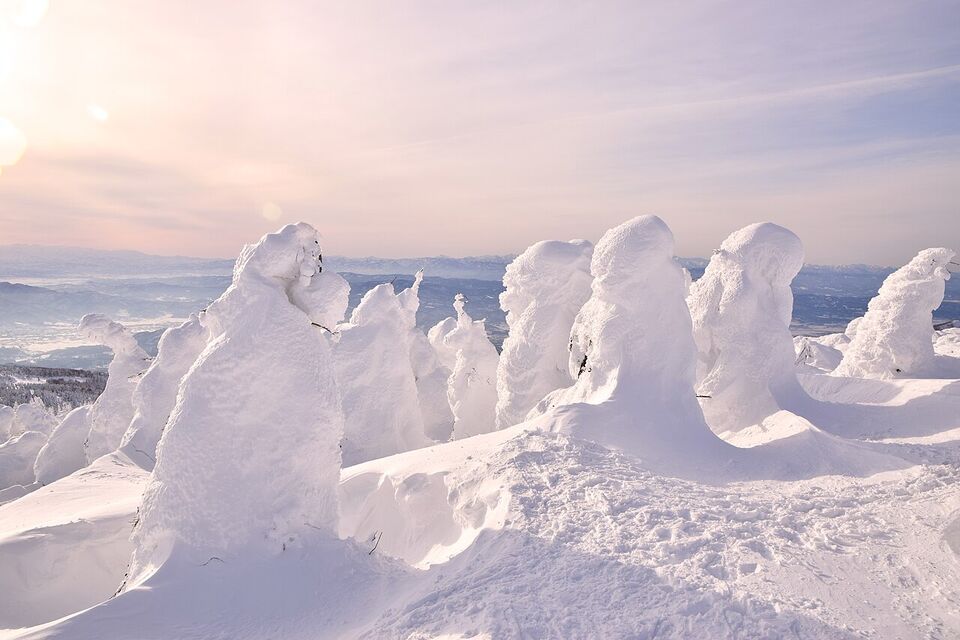
- Zao Onsen, Tohoku. The "snow monster" trees (juhyo) are coated in frost and can be seen from about late December to early March and are usually at their best in late January and February. See Tohoku.
- Okhotsk coast, Hokkaido. Drift-ice tours near Abashiri and Utoro run from roughly late January to March, including icebreaker boats. Book ahead, because tours cancel for weather.
- Shirakawa-go and Kanazawa. Thatched farmhouses in snow are the classic winter image. Winter light-up evenings have required advance reservations, with dates set by the village, so check the Shirakawa-go Tourist Association for February 2027 dates (our January page lists the January ones).
The Snow Festival and Chinese New Year (February 6, 2027) push ski-town prices up, and the long February 11 weekend is busy with domestic skiers. Midweek is cheaper and quieter. Trains and buses mostly keep running in snow, but storms can delay Shinkansen on snowy lines and flights to Hokkaido, so give yourself a spare day before an international flight. If you rent a car, read driving in Japan first: winter roads in the north call for snow tires and experience.
Insider tip
Combine snow with a hot spring. An outdoor bath with snow falling is one of the best things about February in Japan. Nozawa Onsen, Zao Onsen, Noboribetsu and Ginzan Onsen are all in snow country. The onsen page has the rules, including what to do if you have tattoos.
Setsubun, February 3: the bean-throwing festival
Setsubun marks the day before the start of spring on the old calendar and falls on February 3 (a Wednesday in 2027). Shrines and temples hold mamemaki (bean throwing): people throw roasted soybeans, shouting "Oni wa soto, fuku wa uchi" ("Demons out, luck in"), to drive away bad luck. At home, one family member often wears an oni (demon) mask and gets pelted. You also eat as many beans as your age, plus one.
Visitors can join in at many shrines. Large temples and shrines in Tokyo and Kyoto host celebrity guests, and at Kasuga Taisha in Nara, the Setsubun Mantoro festival lights its stone and bronze lanterns on February 3 (see Nara). Schedules and times differ by shrine and can change, so check the shrine's own site. In Kansai it is also traditional to eat an uncut sushi roll (ehomaki) facing the year's lucky direction, and convenience stores sell them around February 3.
Setsubun is not a public holiday, so crowds are manageable except at famous sites in the evening. See festivals and holidays for more events through the year.
Plum blossoms and the earliest cherry blossoms
Before the cherry blossoms, Japan has plum blossoms (ume). They open in February, last about two to four weeks per garden, and are loved as the first sign of spring. They are quieter than cherry season: there are no hanami parties and no booking pressure. Plum scent in the cold air is part of the charm.
Kairakuen, Mito
One of Japan's three great gardens, planted with about 3,000 plum trees as widely reported. The Mito Plum Festival usually runs from February into March, with the peak around early March. Check the festival's site for 2027 dates and any entry fee. Mito is reached from Ueno by JR limited express.
Kitano Tenmangu, Kyoto
A shrine to the scholar Sugawara no Michizane, ringed with plum trees. The paid plum garden usually opens from early February into March, and the monthly flea market on the 25th (February 25) brings crowds. Check the shrine's site for garden dates and admission.
Yushima Tenjin, Tokyo
A small shrine near Ueno with a plum festival, usually from mid-February to mid-March, and students praying before exams. Easy to add to a day in Tokyo. Dates vary, so check the shrine's site.
Dazaifu, Fukuoka
A shrine town with a plum garden that is best from late January to early March. See Kyushu.
Early cherry blossoms
You can see a little cherry blossom in February, but not in the places most visitors go. Kawazu-zakura, a deep-pink early variety, blooms along the Kawazu River in Izu (south of Tokyo) usually from February into March, with a festival whose dates vary by year. In Okinawa, cherry blossoms bloom in late January and February (see Okinawa). Tokyo, Kyoto and Osaka are still weeks away: typical full bloom is late March to early April. The cherry blossoms page explains the forecasts, which usually start around February.
Lantern festivals and snow festivals beyond Sapporo
- Nagasaki Lantern Festival. Lanterns light Nagasaki's Chinatown and the city center around the Lunar New Year, which falls on February 6, 2027. Listings point to about February 5 to 21, but we could not confirm the 2027 dates on an official site, so check Nagasaki's tourism site. It has usually been free to walk through, and evenings are the time to go. See Kyushu for Nagasaki.
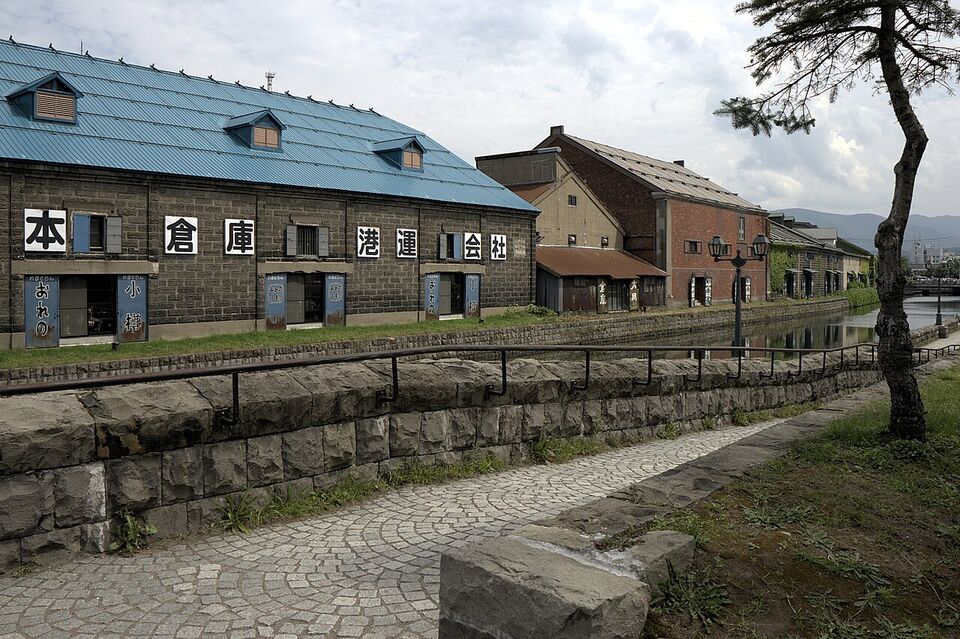
- Otaru Snow Light Path. Candles in snow along Otaru's canal and old streets, listed for February 6 to 13, 2027 with evening hours (about 5 to 9 p.m.). The dates come from a secondary listing and may change, so verify them with the Otaru tourism association. It is an easy evening trip from Sapporo.
- Yokote Kamakura festival, Akita. Small snow huts (kamakura) with a shrine inside, lit at night, usually held on February 15 and 16. Verify dates with the city, because we could not confirm them for 2027.
- Chinese New Year in Yokohama and Kobe. Chinatowns in both cities hold events around the Lunar New Year. Expect crowds on the weekend of February 6-7.
Valentine's Day, Japanese style
Valentine's Day (February 14, a Sunday in 2027) works differently in Japan. Traditionally women give chocolate to men: honmei-choco ("true feeling" chocolate) for a romantic partner and giri-choco (obligation chocolate) for colleagues. A month later, on White Day (March 14), men return the favor. Many companies are cutting back on giri-choco, but department stores still fill their basements with elaborate chocolate shops, and the displays are worth seeing even if you buy nothing.
See Japanese food and shopping for more.
Holidays, closures and crowds
Two national holidays fall in February 2027, and Japan has no February school break to speak of, so the month is quiet between them.
| Date | Day | What it is | Effect on a trip |
|---|---|---|---|
| February 3 | Wednesday | Setsubun (not a holiday) | Bean-throwing events at shrines and temples |
| February 6 | Saturday | Lunar New Year | Chinese and other Asian visitors travel; Chinatowns and ski resorts are busier |
| February 11 | Thursday | National Foundation Day (holiday) | Some Japanese take Friday, February 12 off for a four-day weekend (February 11-14); trains and ski areas are busy |
| February 14 | Sunday | Valentine's Day | Chocolate rush; couples' dinners booked up |
| February 23 | Tuesday | The Emperor's Birthday (holiday) | Banks and offices closed; attractions open; a long weekend for people who take Monday off |
February 15 is Presidents' Day in the US, and some American families use the week for a ski trip, so Hokkaido and Nagano see more English speakers that week. Japan does not observe Presidents' Day, and everything stays open. On holiday dates, banks and government offices close, but shops, restaurants and most attractions stay open.
Outside the holiday weekends and the Sapporo festival, February is one of the quietest times at Tokyo and Kyoto sights. University entrance exams run through February and into March, so scholarship shrines such as Yushima Tenjin and Kitano Tenmangu see many students.
Prices and booking
February is low season for Tokyo, Kyoto and Osaka. Hotels cost noticeably less than in March or April, flights from the US are often at the cheaper end of the year, and you can usually book a few weeks ahead (except for the dates below). The expensive spots are Sapporo during the festival, Niseko and other ski areas, and the holiday weekend of February 11-14.
Save money
Book Tokyo and Kyoto hotels with free cancellation and keep checking the price: rates in February often fall in the weeks before the stay. Book Sapporo hotels and snow-country ryokan (traditional inns) as early as you can, ideally four to six months ahead for the festival. Kyoto's lodging tax rose on March 1, 2026 and ranges from ¥200 to ¥10,000 (about $64) per person per night by room price, so check your total.
If you shop, the new tourist tax-refund system started on November 1, 2026: you pay the full price in the store and claim the refund at the airport when you leave Japan. The minimum is ¥5,000 (about $32) before tax per store per day. See money in Japan for the steps, and keep your purchases unopened if they are consumables.
Japan has no daylight saving time. In February, Tokyo is 14 hours ahead of New York and 17 hours ahead of Los Angeles, which makes a good case for a few days of buffer on arrival.
Where to go in February
- Sapporo, Otaru and Niseko for the Snow Festival, canal candles and powder, in that order.
- Tokyo and Kyoto for quiet sights, winter light and plum blossoms. In Tokyo, Mount Fuji is often clear in winter, so look for views from the city or a day trip (see Mount Fuji).
- Kyushu for milder weather, the Lantern Festival in Nagasaki and plum blossoms at Dazaifu.
A sample February trip
- Days 1-4
Tokyo
Temples and museums in quiet winter light, a day trip to Mito or Kamakura if the weather is clear, and an evening in a depachika food hall. See Tokyo.
- Days 5-8
Kyoto and Nara
Take the Shinkansen to Kyoto (about 2 hours 15 minutes by Nozomi) for Kitano Tenmangu's plum blossoms and temples with few visitors. Add a day in Nara for the deer in cold air. See Kyoto.
- Days 9-12
Sapporo and Niseko
Fly north for the Snow Festival, Otaru's candle lights and a day or two of powder skiing. Add a night in a hot spring town before heading home.
The same route works in reverse if you want to start with snow. For a lighter trip, pick one region: Tokyo and Kyoto together fit a week, while Hokkaido can fill a week by itself. See getting around Japan for trains and passes, and Japan in March if you are deciding between February and the start of spring.
Add it to a route in the trip builder, or ask us to plan the hotels, trains and guides for you.