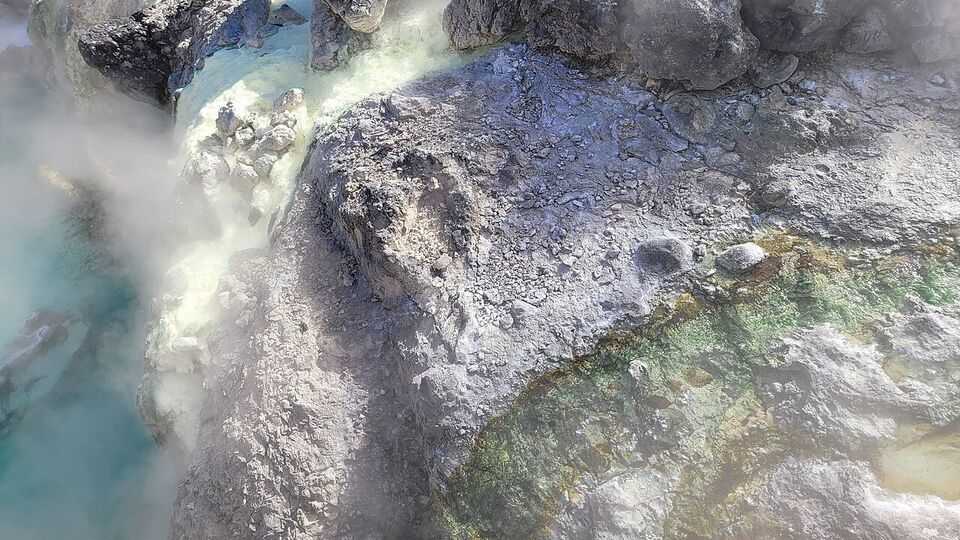
Overview: what an onsen is and what to expect
An onsen is a bath filled with natural hot spring water, and in Japan it comes with a set of habits that surprise most Americans: you bathe naked with strangers of your own gender, you wash completely before you get in, and the small towel stays out of the water. None of it is hard once you know the order of events, and a first visit is usually the part of the trip people remember most fondly.
This guide covers the step-by-step routine, how towels and nudity work, tattoo policies and the baths that welcome tattoos, Tokyo's neighborhood public baths (sento), the best onsen towns, mixed bathing and the health cautions that matter. For the wider rulebook of manners, see our Japan etiquette guide, and for choosing a place with its own bath see where to stay.
One vocabulary point helps with signs. A true onsen uses naturally heated spring water that meets legal mineral standards. A sento is a public bath using heated tap water (some use groundwater), found inside cities for everyday washing. Many Tokyo spas and "super sento" use trucked-in or pumped hot spring water, so they are partly onsen and partly sento. All of them follow the same etiquette.
Different from home
There is no swimsuit, no hot tub chatter and no mixed locker room. Baths are separated by gender and the water is for soaking only, never for washing. The washing happens first, at shower stations along the wall, sitting on a small stool.
Step by step: how to use an onsen
The routine is nearly identical from a mountain ryokan to a city sento. Follow these steps in order and you will blend in.
- Find the right entrance. Curtains (noren) usually mark the men's and women's sides. Men's is often blue and marked with the character 男, women's red or pink and marked 女. Baths sometimes swap sides between morning and evening, so check again at each visit.
- Shoes and bags. Take off your shoes at the entrance and put them in the shoe locker, then walk in slippers or bare feet. Keep valuables in the changing-room locker or leave them in your room.
- Undress completely. Put everything, including underwear, in a basket or locker in the changing room. Take only your small towel and toiletries into the bath area.
- Wash first, at a shower station. Sit on the stool, use the handheld shower, soap and shampoo, and rinse thoroughly. Keep the stool and bucket tidy and rinse them when you leave. This step is the heart of the etiquette, so do not rush it.
- Tie up long hair. Hair must stay out of the water. Use a clip or a hair tie.
- Ease in. Rinse your feet and legs with a bucket of bath water, then step in slowly. Do not jump or swim.
- Keep the small towel out of the water. Fold it and put it on the edge of the bath or on your head. Do not dunk it.
- Soak quietly for 10 to 15 minutes. Get out when you feel very warm or the first hint of lightheadedness, cool off on the edge, then go back in if you like. Talk softly, and do not take photos.
- Rinse (or not) and dry. Some spring waters are best left on the skin; others you rinse off. Follow any sign. Wring out your small towel and wipe off the worst of the water before returning to the changing room so you do not drip on the floor.
- Rehydrate. Drink water or the traditional bottle of milk or coffee milk sold in many bathhouses.
Watch out
Water temperature in outdoor baths can reach 108°F (42°C) or higher, and some famous springs, such as the open-air baths at Kusatsu, are hotter than most Americans expect. Test with your hand first and get out if you feel dizzy.
Nudity, towels and what to bring
You will be nude in the bath area, in front of people of your gender. Locals are not looking at you, and staring is rude in both directions. If you are shy, go at off-peak times (mid-afternoon or late at night) when baths are quieter.
Most ryokan and hotels give you two towels: a small hand towel (about the size of a washcloth) for the bath area and a larger bath towel to dry off. The small one is your modesty cloth as you walk between shower and bath. Public sento and day-use onsen usually rent or sell towels for a few hundred yen, so check when you pay.
Pack a small kit if you plan to visit public baths: a hand towel, a bath towel, a hair tie, a plastic bag for wet items and a few ¥100 coins for lockers. Soap and shampoo are provided at most onsen and ryokan, but not at all sento.
Rules most people forget
- Do not enter if you have an open wound, a contagious skin condition or a fever.
- No swimsuits in the water, with the exception of the few "mixed" pools where a bath garment is provided (see below).
- Do not wash your clothes or brush your teeth in the bath area.
- Phones and cameras do not belong in the bath area. This includes the open-air bath, even if you are alone.
- Leave a clean bath: put stools and buckets back where you found them.
Insider tip
Ryokan and many onsen hotels have a rotating schedule that swaps the men's and women's baths between the evening and morning. If you only visit one, you may miss the better outdoor bath. Look for the posted schedule at the desk and try both.
Tattoos: what to expect and where to go
Tattoos have long been associated with organized crime in Japan, and many baths ban them outright. The policy is set bath by bath, not by law, and it is slowly easing as more visitors travel. A national tourism-agency survey in 2015 of thousands of hotels and ryokan found that a majority said they refused guests with tattoos, while around a third said they did not; there has been no comparable national survey since, so treat those numbers as a snapshot, not today's rule.
In practice you will meet three kinds of policy: a full ban (public and private), a cover rule (small tattoos hidden with a waterproof patch, sold as "tattoo cover seals" at drugstores and discount shops and online), and full acceptance. Large designs such as sleeves and back pieces are often turned away even under a cover rule, so ask before you travel. Email the inn, ask whether tattoos are permitted in the shared baths, and whether a private bath is available.
Easy options for tattooed travelers
- Private baths (kashikiri or kazoku-buro). You reserve a bath for your own group, usually for 30 to 60 minutes. Some inns include one free in the stay; others charge a fee. A room with its own bath is the most reliable choice and costs more.
- Beppu. The city has many baths that accept tattoos. Hyotan Onsen, a large bathhouse, describes itself as tattoo-friendly in its public and private baths; its adult entry is about ¥1,020 (about $6.50) per our latest check.
- Kinosaki Onsen. The town's seven public baths are widely described as accepting tattoos, but house rules can change, so confirm at your ryokan.
- Hoshino Resorts and other chain inns. Some chains have publicly said they do not restrict bathing because of tattoos. Check the page of the specific property.
Insider tip
Search ryokan sites in Japanese-language booking portals for the words "貸切風呂" (private bath) or "刺青OK" (tattoo OK). Do not show up and hope: a refusal at the door can cost you a night's booking.
Sento: Tokyo's neighborhood public baths
A sento is the old-fashioned public bath that people used when homes lacked bathtubs. Tokyo still has several hundred, and they are the cheapest way to try a Japanese bath. Prices for the standard bath are capped by each prefecture, which is why the cost is nearly the same from one bathhouse to the next within Tokyo.
From August 1, 2026 the maximum adult price in Tokyo (age 12 and over) rose by ¥50 to ¥600 (about $4). Children 6 to 11 pay ¥200 (about $1.30), and children under 6 pay ¥100 (about 65 cents). Prices in Osaka, Kyoto and elsewhere are set separately, so expect a different figure outside Tokyo. Towel rental, soap and sauna add a few hundred yen each.
| Type | Typical cost | Good to know |
|---|---|---|
| Neighborhood sento | ¥600 (about $4) adult cap in Tokyo | Often no soap or towel; most open mid-afternoon to late evening, with a weekly day off |
| Day-use onsen or "super sento" | Roughly ¥1,000 to ¥3,000 (about $6 to $19) | Several pools, a sauna, a restaurant; some use real hot spring water |
| Hotel or ryokan bath | Free for guests | Often has a day-use rate if you are not staying |
At a sento, you pay at a front desk (bandai) or a ticket machine, take a locker key, undress in the changing room and wash. Many have a mural of Mount Fuji on the wall, a long-standing tradition. Tattoo rules vary: Tokyo sento are generally more relaxed than rural onsen, but ask at the counter. Our Tokyo guide has neighborhoods to base yourself in.
The best onsen towns
Pick a town by how much travel time you have and what you want. Most onsen towns work best with at least one night at a ryokan, which gives you dinner, breakfast and the bath at night and in the morning. Times below are approximate and come from general planning guidance, so check current timetables.
Hakone
The closest big onsen area to Tokyo and the easiest first try, with Mount Fuji views from some baths. Day-use baths and many ryokan make it flexible. Read our Hakone guide for routes and passes.
Kusatsu
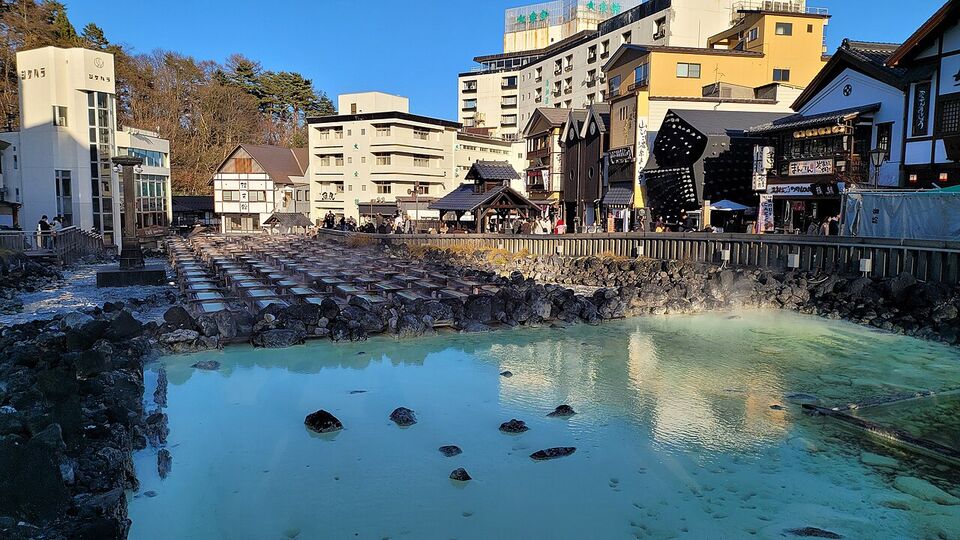
Famous for steaming, strongly acidic water that pours through a central hot water field (yubatake) in the middle of town. The yumomi show, in which workers stir the water with long boards to cool it, costs about ¥800 (about $5). The Sai-no-Kawara open-air bath is about ¥700 (about $4.50). Small local baths are free or by donation and are very hot.
Kinosaki Onsen
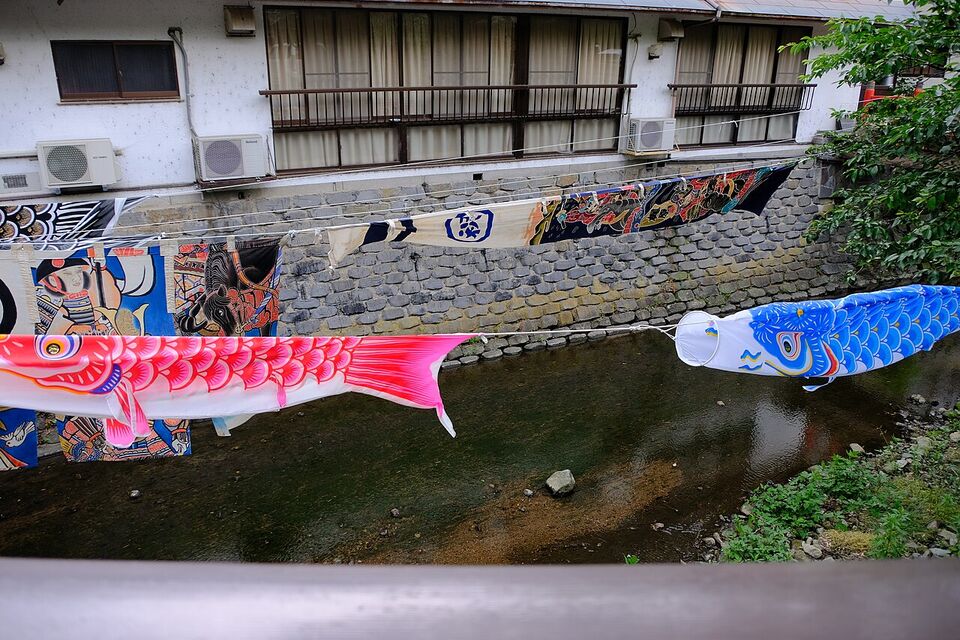
A walkable canal-side town where you stroll in a cotton robe (yukata) and wooden sandals between seven public baths (soto-yu). Guests of most ryokan get free or discounted entry; visitors can buy a day pass at about ¥1,300 (about $8), which is a planning estimate to confirm locally. Each bath closes one day a week on a rotating schedule.
Beppu
The largest hot spring output in Japan, with steam rising from the town. Choose from the "hells" (colorful sightseeing springs you view rather than bathe in), mud baths, sand baths and public bathhouses. Beppu has a good record of tattoo-friendly options. See our Kyushu guide.
Ginzan Onsen
A row of wooden inns beside a river, lit by gas lamps at night and especially pretty in snow. Because the street is small, the town has limited day-trippers and traffic in winter, so confirm current rules before you plan a day visit. See our Tohoku guide.
Dogo Onsen
One of Japan's oldest hot springs, with a landmark wooden bathhouse (Dogo Onsen Honkan) dating from 1894. Entry starts from ¥700 (about $4.50), with higher tickets adding tea and a rest room. A modern annex bath, Tsubaki-no-Yu, costs about ¥450 (about $3). See our Shikoku guide.
Nyuto Onsen
Seven remote inns in a forested mountain valley. The milky outdoor pool at Tsuru-no-Yu is mixed and takes day visitors for about ¥700 (about $4.50) between roughly 10 a.m. and 3 p.m., with the outdoor bath closed to day visitors on Mondays. Heavy snow makes winter access hard.
Shibu Onsen and the snow monkeys
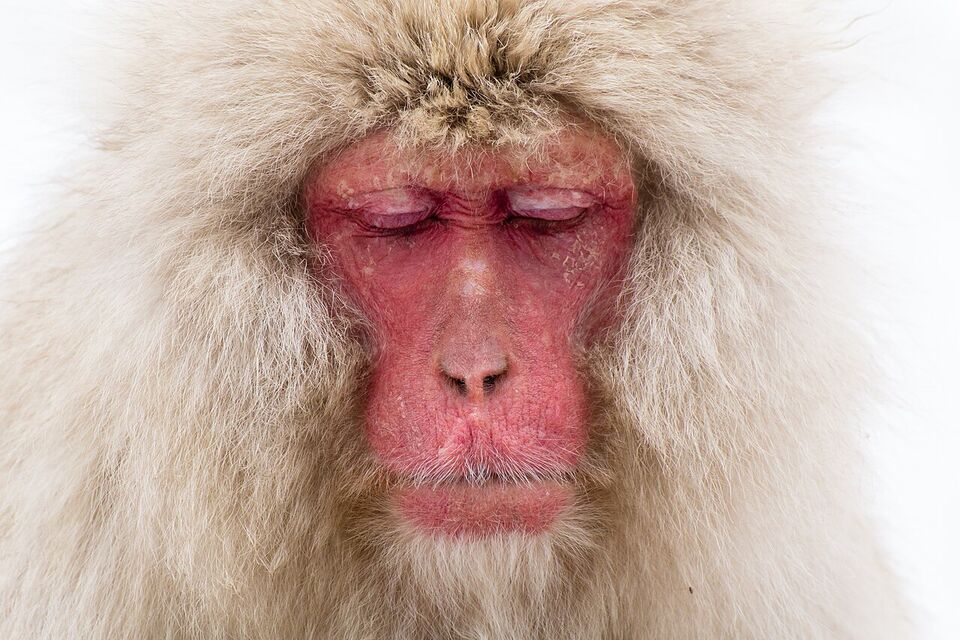
Shibu is a stone-paved hot spring town with nine small public baths that lodging guests can use with a key. Nearby Jigokudani Monkey Park is where wild macaques soak in winter. The walk in from the bus is about 1 mile (1.6 km), roughly 30 minutes, and can be icy. See our Japanese Alps guide.
Snow monkey tickets
Admission to Jigokudani Monkey Park is ¥800 (about $5) for adults and ¥400 for children at the counter until November 30, 2026. From December 1, 2026 the price is reported to rise to ¥1,000 (about $6) at the counter or ¥880 online; the park's website carries a fee-revision notice dated September 20, 2026, so confirm the exact amounts there. The park's guide page currently says tickets are sold at the park only, with no advance reservation; online tickets with priority entry are reported for December through April, so check. Winter hours (November to March) are 9 a.m. to 4 p.m. Monkeys are in the park year round but soak mostly in winter, with January and February the peak, and heavy snow can close the park at short notice. Confirm on the park's website before you travel.
Save money
If you want baths without a ryokan bill, book a business hotel with a large communal bath (daiyokujo), use public baths in the onsen town, or buy a day-use ticket. A two-meal ryokan stay is where the cost goes, so save it for one special night. We cover costs in our budget guide.
Staying in a ryokan with an onsen
A ryokan (traditional inn) is the full experience: tatami floors, a futon laid out for you, a multi-course dinner (kaiseki) and a breakfast in the morning, plus the bath. Because dinner is served at a set time, usually 6 or 6:30 p.m., arrive by about 4 or 5 p.m. and bathe before eating if you can.
Wear the yukata (cotton robe) with the left side over the right (right-over-left is for the dead). Slippers are for corridors only, so never wear them on tatami. Tell the inn about allergies and dietary needs when you book, because meals are fixed. Prices for a ryokan stay run higher than a normal hotel: $$ to $$$ per person with dinner and breakfast is typical, and prices at top inns climb quickly.
If you would like a bath of your own, ask about a room with an in-room open-air bath (rotenburo-tsuki). It is a sound plan for couples, families with small children, and anyone with tattoos. Smaller children can use baths with a parent of the same gender, and many families choose a private bath for simplicity.
Mixed bathing (konyoku)
True mixed-gender baths are rare today, and most are in remote areas of Tohoku and the mountains. Nyuto Onsen's milky pool at Tsuru-no-Yu is one of the best-known. Many mixed baths have separate changing rooms, set hours for women only and a bath garment you can wear in the water, sold or rented for a few hundred yen.
If you are not comfortable with mixed bathing, you do not have to. Almost every inn with a mixed bath also has separate indoor baths, and most mixed baths have times set aside for women. Ask at check-in. Never photograph anyone, and do not stare at other bathers.
Health cautions
Soaking is relaxing, but it is also physical stress. Hot water speeds your heart rate and can lower blood pressure, and deaths in baths are a recognized problem in Japan, mostly among elderly people.
- Heart, blood pressure and circulation. If you have heart disease or unstable blood pressure, talk to your doctor before you go. Enter slowly, keep soaks short and avoid very hot pools.
- Pregnancy. Signs in Japan often advise pregnant women to avoid baths, and medical opinion today is more relaxed, but you should ask your doctor, keep the water below very hot, and skip high-temperature pools and saunas.
- Alcohol. Do not bathe after drinking, and do not drink during a soak. Alcohol and hot water together raise the risk of fainting.
- Dehydration. Drink water before and after. Get out slowly, because standing up fast can make you dizzy.
- Skin. Strongly acidic springs, like Kusatsu's, can sting, especially on small cuts. Short soaks are best.
- Children. Keep them in lower-temperature pools, supervise closely and keep soaks short.
For general medical help, hospital access and insurance, see our health guide, and for the emergency numbers, see our safety guide.
Planning a visit: timing, money and practical tips
Winter is peak onsen season, and snowy outdoor baths are a highlight, but expect crowds and higher prices on weekends and around New Year. Autumn leaves bring crowds to places like Hakone and Nikko. Summer onsen are quiet but hot and humid, and early morning is best then.
Most day-use baths charge in cash, and many small onsen towns take only cash, so bring yen. Carry coins for lockers. Many baths close on a set day of the week, so check the schedule. Some lodgings do not allow day-trippers at all, or limit the hours.
- Ask your ryokan about tattoos before you book.
- Pack a hair tie, a hand towel and a bag for wet items.
- Confirm the bath's gender-swap schedule at check-in.
- Carry cash for small bath fees, lockers and vending-machine milk.
- Check current opening hours and fees on the bath's own website.
Heavy snow and mountain roads can block access to remote onsen in winter, so check bus timetables and road status. For getting around the country, see our getting-around guide, and for visiting other kinds of sacred and historic places, our guide to temples, shrines and castles.
Add it to a route in the trip builder, or ask us to plan the hotels, trains and guides for you.