Overview: staying well in Japan
Japan is a healthy, clean country with excellent hospitals, tap water you can drink anywhere and no required vaccines for American visitors. The things that catch travelers out are not disease but paperwork and money: strict medicine rules, hospitals that bill visitors directly, an insurance system that does not recognize your plan and a few seasonal problems such as summer heat and spring pollen.
This guide covers vaccines and CDC advice, which medicines you can bring and which are banned, how pharmacies and drugstores work, how to find a hospital that treats foreigners, what care costs, insurance, heatstroke, food safety, pollen, air quality and mental health help. For the emergency numbers and natural hazards, see our safety guide, and for what to carry through customs see entry requirements.
Different from home
You pay at the counter. Japan's national insurance is for residents, and hospitals may ask visitors for cash or a card guarantee. The State Department also warns that hospitals may refuse ambulance patients who cannot show they can pay, so carry a card with a high limit and proof of travel insurance.
Vaccines and the CDC
No vaccines are required to enter Japan, and there are no COVID entry requirements for US citizens. The State Department says to stay current with the CDC's recommendations. The CDC publishes a Japan page at wwwnc.cdc.gov/travel, which we could not open for this guide, so check it yourself before you go and rely on it for the latest list.
- Routine vaccines. Make sure measles-mumps-rubella (MMR), tetanus-diphtheria-pertussis, polio, chickenpox, flu and COVID-19 are up to date. Measles outbreaks happen anywhere, so confirm your MMR status.
- Hepatitis A and B. Travel clinics commonly suggest hepatitis A for most visitors, and hepatitis B for unvaccinated adults, especially on longer stays or with close contact with local people.
- Japanese encephalitis. A mosquito-borne disease. Risk is low for most visitors. The vaccine is mostly considered for stays over a month, or for extended time in rural farming areas in summer and fall (the risk is lower in Hokkaido).
- Rabies and others. Not usually needed for typical sightseeing.
We have not verified the CDC's current wording, so treat this list as general guidance. See a travel clinic or doctor four to six weeks before you travel, especially if you have a long stay or health conditions.
Medicines: what you can and cannot bring
Japan's medicine rules are among the strictest travelers face, and a pill that is legal at home can be a crime in Japan. Check your own prescriptions against the Ministry of Health, Labour and Welfare (MHLW) rules before you pack.
| Item | Rule |
|---|---|
| Prescription drugs | Up to a one-month supply without a permit |
| Other drugs and quasi-drugs | Up to a two-month supply |
| Self-injection kits and pre-filled syringes | Up to a one-month supply |
| Disposable contact lenses | Up to a two-month supply |
| Larger quantities | Import Confirmation (Yunyu Kakunin-sho) from the MHLW, obtained before you leave home |
| Stimulants (Adderall, amphetamine) | Prohibited |
| Cannabis and THC, including medical | Prohibited |
- Carry medicine in original labeled containers with a copy of the prescription and a doctor's letter listing the drug, dose and reason.
- Adderall is specifically flagged by the State Department. People with ADHD should talk to their doctor well before the trip about alternatives, and may need to apply for permission.
- Cold and allergy medicine. Products containing pseudoephedrine (such as Sudafed) and some codeine cold medicines are restricted in Japan. We could not confirm a safe quantity, so leave them at home and buy Japanese equivalents.
- CBD. Only products with no THC from seeds or stalks are legal. The simplest approach is not to bring any.
- Apply early. The online Import Confirmation process is on the MHLW site, and processing time is not stated, so apply at least two to three weeks before you leave.
- Do not mail medicine to Japan. The State Department notes that mailed drugs can lead to arrest.
U.S. prescriptions are not honored in Japan, so bring enough for the whole trip plus a few extra days.
Pharmacies and drugstores
Japan has two kinds of shops that sell medicine, and the difference matters.
Drugstores (doraggusutoa)
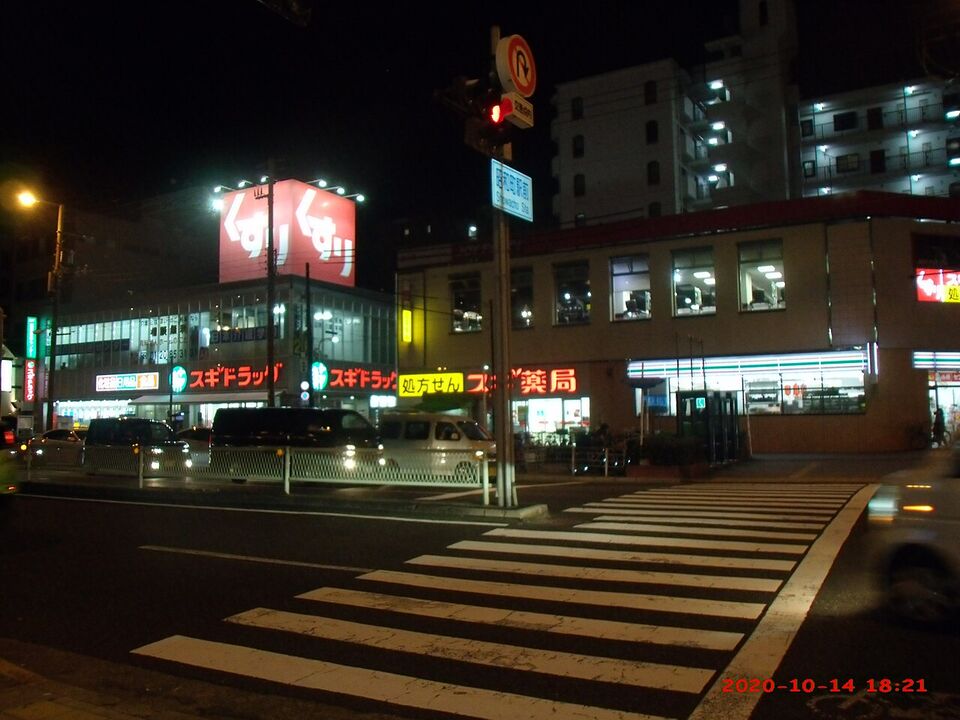
Chains such as Matsumoto Kiyoshi, Sugi, Tsuruha, Welcia and Cocokara sell over-the-counter medicine, vitamins, skin care, snacks and cosmetics. They are on nearly every shopping street and open until about 9 or 10 p.m. Many have English signs or staff who use translation apps. Pain relievers, stomach medicine, cold remedies, eye drops and motion-sickness tablets are easy to find. Some stronger products sit behind the counter and a pharmacist must explain them.
Pharmacies (yakkyoku)
A pharmacy fills prescriptions written by a Japanese doctor. A US prescription will not be filled. Pharmacies often sit next to clinics and hospitals.
Tell the pharmacist about allergies and any medicine you take at home. Bring the generic name (not the brand), since US brand names do not match. Tax-free shopping rules cover drugstore purchases of ¥5,000 or more before tax per store per day; see our money guide for how the refund system works since November 1, 2026.
Insider tip
Before leaving home, write down the generic names of your medicines and take photos of the packaging. A drugstore pharmacist can use these to find a Japanese equivalent, and a translation app can read the box.
Hospitals and clinics that take foreigners
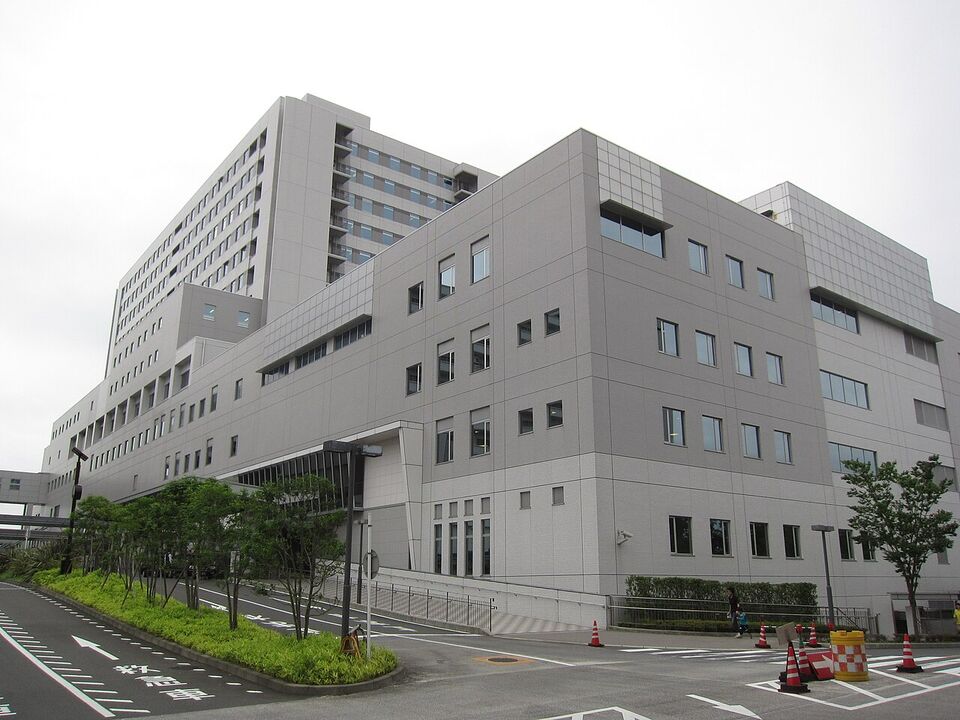
Japan has many hospitals and small clinics, and quality is high. Most doctors read English, but few staff speak it. Large university hospitals can be crowded with long waits and may not treat walk-ins without a referral.
- Use the JNTO medical institution search. The Japan National Tourism Organization offers an online search of medical facilities by area, language, department and accepted credit cards, with up to 30 results sorted by distance and a downloadable PDF. Always call ahead to confirm hours and language support.
- Look for JMIP certification. The JMIP mark is a third-party certification for hospitals that serve foreign patients well, including multilingual guidance.
- Call the Japan Visitor Hotline. The hotline, 050-3816-2787, is open 24 hours in English, Chinese and Korean and can help with illness or disaster. It does not interpret three-way or make reservations.
- Ask your hotel. Front desks know the nearest clinic and will often call ahead.
- Call 119 for an emergency. If you cannot speak Japanese, show a nearby person the phrase 救急車を呼んでください (please call an ambulance). You cannot choose which hospital you are taken to.
Walk-in clinics generally see you without an appointment in the morning and again in the afternoon, with a midday break, and many close on Sundays and holidays. Our Tokyo guide and other city guides note neighborhoods with English-friendly services.
Costs and insurance
Visitors without Japanese national insurance pay the full cost of care. Rates are set by a national fee schedule, but visitors are often charged more than residents, and many clinics add fees for foreign patients, interpreters or after-hours care. We could not confirm a reliable price list, so treat these as a rough guide and ask for the cost before treatment where you can.
- A basic clinic visit for a minor illness often costs a few thousand yen up to around ¥10,000 (about $64), with medicine extra.
- Emergency care, imaging and hospital stays cost much more and can reach hundreds of thousands of yen.
- Many places accept major credit cards but some small clinics are cash only. Carry both.
The State Department says Medicare and Medicaid do not apply overseas, most Japanese providers do not accept US insurance, national insurance covers only long-term residents and some providers take only cash. It strongly recommends supplemental medical evacuation insurance.
Save money
Buy travel medical insurance with evacuation and repatriation cover before you leave, and check that it also covers adventure activities such as hiking and skiing. Keep receipts and ask the clinic for an itemized invoice and a medical report in English to claim later. Expect to pay first and be reimbursed.
Dental and other care
Dental care is high quality but also self-pay for visitors. The State Department also notes that mental health care, especially extended psychiatric care, is limited outside major cities.
Heatstroke
July and August are hot and humid, and heatstroke sends many people to hospitals each summer. Heat alerts are common. See our safety guide for the alert system, and our when to go guide for temperatures by month.
- Prevent it. Drink water often before you feel thirsty, use sports drinks or salt candy, wear light clothing, use a hat or umbrella and rest in air conditioning at midday.
- Know the signs. Dizziness, a headache, nausea, heavy sweating or no sweating, cramps, confusion.
- Act quickly. Move to a cool place, loosen clothing, cool the neck, armpits and groin, drink small sips of cool water or an electrolyte drink and call 119 if the person is confused, faints or cannot drink.
Convenience stores and vending machines sell cooling gels, sports drinks and cooling wipes everywhere.
Food and water safety
Food hygiene standards are very high. Tap water is safe to drink everywhere, and restaurants serve it free in glasses. You can eat sushi, sashimi and raw eggs with reasonable confidence at reputable places.
- Raw fish. Eat at busy restaurants and markets where turnover is high. Be cautious with raw seafood in very hot weather or from places with weak refrigeration.
- Fugu (pufferfish). Contains a deadly toxin and can be prepared only by licensed chefs. Eat it only at an established fugu restaurant, never prepare it yourself or buy it from an informal source.
- Raw beef liver. Banned from restaurant menus in Japan since 2012. Other raw meat dishes, such as horse meat sashimi and chicken sashimi, carry a higher risk of food poisoning, so skip them if you are pregnant, elderly, a child or have a weak immune system.
- Raw eggs. Eggs sold in Japan are handled for raw eating, which is why tamago kake gohan (raw egg over rice) is a common breakfast. Skip them if you are pregnant or have a weak immune system.
- Allergies. Food labels list some allergens, but not all, and restaurant dishes often hide fish stock (dashi), soy and wheat. Carry an allergy card in Japanese, and ask about ingredients. Our food guide has the eating basics.
Pollen season and air quality
Many visitors in spring are surprised by hay fever. Japanese cedar and cypress trees release heavy pollen, generally from about February to April, and it can affect people with no history of allergies. Symptoms include sneezing, itchy eyes and congestion. Wearing a mask helps, as do sunglasses and rinsing your face after being outside.
- Bring your usual antihistamine, but check that it is legal (some contain pseudoephedrine) or buy a Japanese one at a drugstore.
- Cherry blossom season overlaps with the end of cedar season, so plan for it. Our cherry blossom guide covers timing.
Air quality in Japan is generally good by global standards. In spring, dust and pollution from the Asian continent can drift in, especially in western Japan, and some days are hazy. People with asthma or lung disease should carry a rescue inhaler and check the air quality forecast on a weather app. Wildfire smoke is rarely a problem, though volcanic ash can affect areas near active volcanoes such as Sakurajima, so check local advisories.
Mental health and counseling
Travel, jet lag and culture shock can be stressful, and some people have serious difficulties on the road. English-language support exists but is limited.
- TELL Lifeline. TELL (Tokyo English Life Line) runs an English-language lifeline and counseling services in Japan. Its website lists the lifeline as 0800-300-8355 (toll free). Phone and chat hours differ by day of the week, so check telljp.com for the current schedule before you travel.
- US Embassy. The Embassy, 81-3-3224-5000, lists English-speaking counselors and doctors on its website.
- Emergencies. If someone is in immediate danger, call 119 or 110.
- Your own care. Take enough prescribed medication, check it is allowed and keep up routines. A telehealth appointment with your US provider may work, depending on your plan.
The State Department notes that mental health care outside major cities is limited, which is a reason to plan carefully for long trips.
Chronic conditions, children, pregnancy and older travelers
Japan suits travelers with health needs better than most countries, but a little planning goes a long way. The trip is long, with 10 to 14 hours of flying and a 13 to 17 hour time difference from the US depending on the season at home, so build in rest days at the start.
- Diabetes and injectables. Self-injection kits and pre-filled syringes can be carried up to a one-month supply. Carry insulin in your hand luggage with the prescription and a doctor's letter, and ask your doctor how to adjust doses across time zones.
- Heart and blood pressure conditions. Walking is the main activity on a Japan trip, with many stairs at stations and temples. Carry your medicine list and plan slower days. Hot baths add extra strain, so see our onsen guide for cautions.
- Children. Pediatric care is good, and drugstores sell child-strength fever and cold medicine. Bring your usual children's pain reliever from home in its original packaging, within the limits above, and confirm it is allowed. Convenience stores and drugstores sell cooling patches for fevers.
- Pregnancy. Ask your doctor about the timing of travel and about hot baths, raw fish and raw eggs. Carry your prenatal records and know where the nearest hospital with an obstetrics department is.
- Older travelers and mobility. Many stations have elevators, but exits can be far apart and older buildings often have stairs. Our getting-around guide covers luggage forwarding, which keeps your hands free.
- Glasses and contacts. Disposable contact lenses can be brought in up to a two-month supply. Eye-care shops and drugstores sell solution and spare lenses.
If you get sick on the road
For a cold, stomach upset or minor injury, start with a drugstore pharmacist, who can recommend over-the-counter medicine and tell you when to see a doctor. For anything worse, ask your hotel to call a clinic and explain your symptoms in Japanese. Bring your passport, insurance details and medicine list. At the clinic, expect to fill out a form, wait and pay on the day, and keep every receipt for your insurer.
Business hotels and ryokan are used to guests who fall ill. If you need to rest, tell the front desk; they can arrange a quiet room or a late check-out in some cases. If you are too sick to continue, call your insurer's assistance line from the start of the problem, since many policies require approval before an evacuation or a hospital stay.
A health checklist before you go
- See a travel clinic four to six weeks before departure and check the CDC Japan page.
- Buy travel medical insurance with evacuation cover.
- Check each medicine against MHLW rules; get an Import Confirmation if you need more than the limits.
- Pack medicine in original packaging with a doctor's letter, and a list of generic names.
- Save 119, the Japan Visitor Hotline and the Embassy number.
- Bring a card with a high limit and some cash for clinic visits.
- Plan for summer heat or spring pollen, depending on your dates.
Add it to a route in the trip builder, or ask us to plan the hotels, trains and guides for you.