Overview: why Kanazawa is worth a night or two
Kanazawa is the easiest way to see old Japan without the crowds of Kyoto. It sits on the Sea of Japan coast, about 2 hours 30 minutes from Tokyo by bullet train, and it escaped the wartime bombing that flattened many cities. That is why the samurai lanes, the geisha teahouse districts and one of Japan's three great gardens are still here, all within a short bus ride of the station.
The city is also a craft capital. It makes almost all of Japan's gold leaf, along with lacquerware, silk dyeing (Kaga yuzen) and fine ceramics, and it has a serious food scene built on fish from the cold sea. A contemporary art museum and a few striking modern buildings add a second side to the old town.
We suggest two days: one for the garden, castle and samurai district, one for the teahouse district, the market and the art museum. If you have a third day, you can reach the thatched villages of Shirakawa-go or the Noto Peninsula. For the rest of the Hokuriku and Alps region, see our Japanese Alps guide, and for how Kanazawa fits into a bigger trip, see Japan's destinations.
Getting to Kanazawa and the Tsuruga extension
From Tokyo, the Hokuriku Shinkansen runs from Tokyo Station via Ueno, Omiya, Nagano and Toyama. The fastest Kagayaki trains take about 2 hours 30 minutes, are all-reserved, and run roughly every 30 minutes at busy times. The Hakutaka stops more often, takes closer to 3 hours, and has unreserved cars. Expect to pay about ¥14,700 (about $94) for a reserved ordinary seat, with unreserved Hakutaka seats a little less. Fares vary slightly by season, so check the price when you book.
In March 2024 the line was extended 125 km (78 miles) from Kanazawa to Tsuruga in Fukui Prefecture. The practical effect for visitors is on the Kansai side. The old direct Thunderbird limited express between Kanazawa and Kyoto or Osaka now stops at Tsuruga, so you change trains there between the Shinkansen and the Thunderbird. Plan on roughly 2 hours 30 minutes to 3 hours between Kanazawa and Kyoto, depending on the connection. Check the exact timetable and the transfer time on the day you travel.
Many people now use Kanazawa as a bridge between Tokyo and Kyoto, going one way via the Alps and Hokuriku and returning by the Tokaido route. This works well as an open-jaw trip: fly into Tokyo and out of Osaka, or the reverse. See our getting around guide for how Japan's trains and tickets work.
Rail passes that include Kanazawa
Two passes are worth comparing. The nationwide Japan Rail Pass covers the Hokuriku Shinkansen. As of November 2026 a 7-day Ordinary pass costs ¥53,000 (about $338) from overseas agents, and the official site was still selling it at the older ¥50,000 (about $318) as a promotion, so check japanrailpass.net. Our JR Pass guide explains whether the pass pays off.
The cheaper option for a Tokyo-Kanazawa-Kansai route is the Hokuriku Arch Pass, sold since 2024 to foreign visitors with temporary visitor status. Since March 14, 2026 it costs ¥35,000 (about $223) for adults and ¥17,500 (about $111) for children aged 6 to 11, valid for 7 consecutive days. It covers reserved seats on the Hokuriku Shinkansen from Tokyo to Tsuruga, the Thunderbird from Tsuruga to Kyoto or Osaka, and local JR trains in the area, but not the Tokaido Shinkansen or the bus to Shirakawa-go.
Save money
If your plan is Tokyo to Kanazawa to Kyoto or Osaka, with a side trip or two, the Hokuriku Arch Pass at ¥35,000 (about $223) is usually cheaper than a Japan Rail Pass at ¥50,000 to ¥53,000 (about $318 to $338). It is not worth it if you also plan to ride the Tokaido Shinkansen between Tokyo and Kyoto, because that train is not covered.
Kenroku-en: how to visit one of Japan's three great gardens
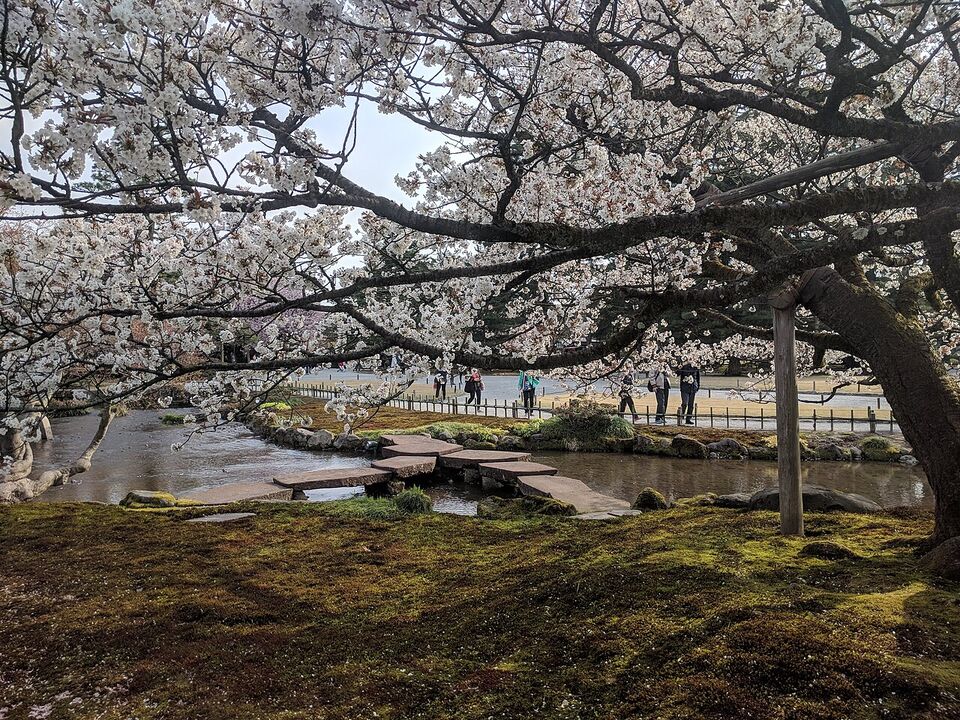
Kenroku-en is the reason most people come. It is counted as one of Japan's three great landscape gardens, with a large central pond, stone lanterns, tea houses and a famous two-legged lantern called Kotoji. In summer it is green and cool; in November the maples turn and the pine trees are wrapped in rope for winter; in cold months the Karasaki pine is propped up by ropes in a cone shape called yukitsuri, which protects the branches from heavy snow. The rope work usually begins in early November.
Tickets and hours
Admission is ¥320 (about $2) for adults and ¥100 (under $1) for ages 6 to 17, paid in cash. Seniors over 65 can enter free with a passport. The garden opens at 7 a.m. and closes at 6 p.m. from March 1 to October 15, and opens at 8 a.m. and closes at 5 p.m. from October 16 to the end of February.
The best trick is the free early entry. At the Renchi-mon and Zuishinzaka gates you can walk in without paying before the official opening time: from 4 a.m. in summer (April to August), from 5 a.m. in March, September and October, and from 6 a.m. from November through February. You must leave 15 minutes before the official opening time. This is the quietest hour in the city and the light is at its best.
A combined ticket for the garden and the nearby Kanazawa Castle turrets costs about ¥500 (about $3), and a "Kenrokuen+1" ticket for ¥500 covers the garden plus one other city cultural facility. The Shigure-tei tea house inside the garden serves matcha and sweets for a separate fee. It is closed from December 29 to January 3.
Insider tip
Visit the garden first thing in the morning, then walk through the gate to Kanazawa Castle Park next door. The castle grounds are free and open all hours. The reconstructed turret buildings charge about ¥320 (about $2) and close at 5 p.m.
On selected evenings in November, the garden and castle are lit up for autumn. The dates change each year, so check the Kanazawa tourism site shortly before your trip.
Higashi Chaya and the geisha districts
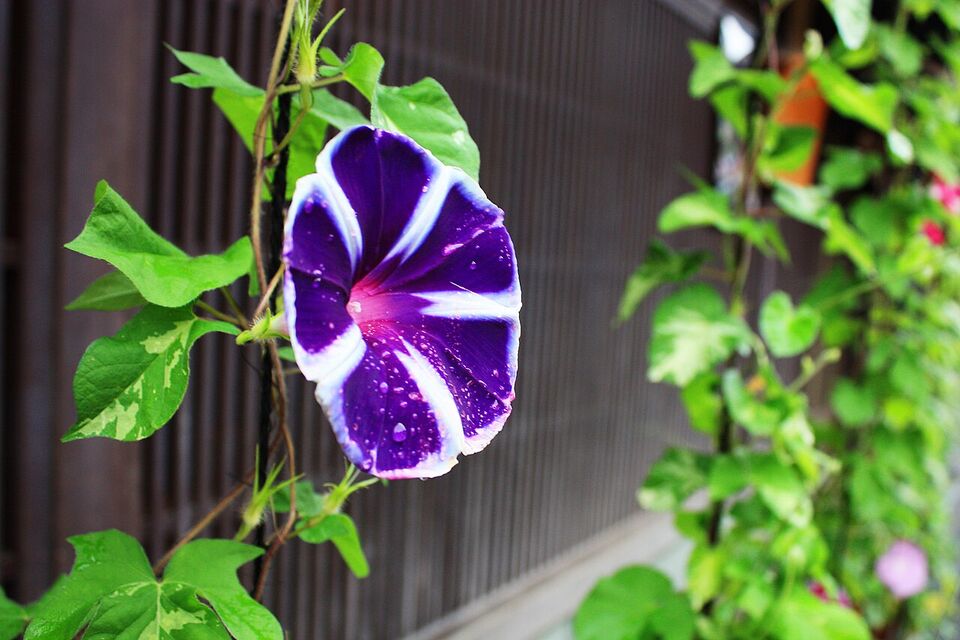
Kanazawa has three historic teahouse (chaya) districts, where geisha entertained wealthy guests. Higashi Chaya is the best known and the easiest to visit, a few minutes' bus ride from the station. Its main street has wooden lattice-fronted houses with dark facades, and it is free to walk. The district is lovely before 10 a.m. or after dark, when the tour groups have gone.
Two teahouses open their interiors to visitors. Shima is a preserved teahouse with a small museum of the geisha world, and Kaikaro is a grander building with gold-leaf details and a tea room. Daytime entry to each is roughly ¥600 to ¥800 (about $4 to $5); prices differ between sources, so check at the door. Afterward you can try the gold-leaf soft-serve ice cream that every second shop sells for about ¥800 (about $5).
Kazuemachi and Nishi Chaya are the quieter alternatives. Kazuemachi runs along the Asano River and is especially atmospheric at dusk. Nishi Chaya is smaller still. Walk all three if you have the time; they take about 20 minutes each.
Different from home
Some chaya streets are still working areas where geisha live and work. Stay on the public streets, do not block doorways, and do not photograph people who have not agreed to it. Gion in Kyoto has made this a fined offense on private alleys, and other districts are following the same spirit.
Nagamachi samurai district
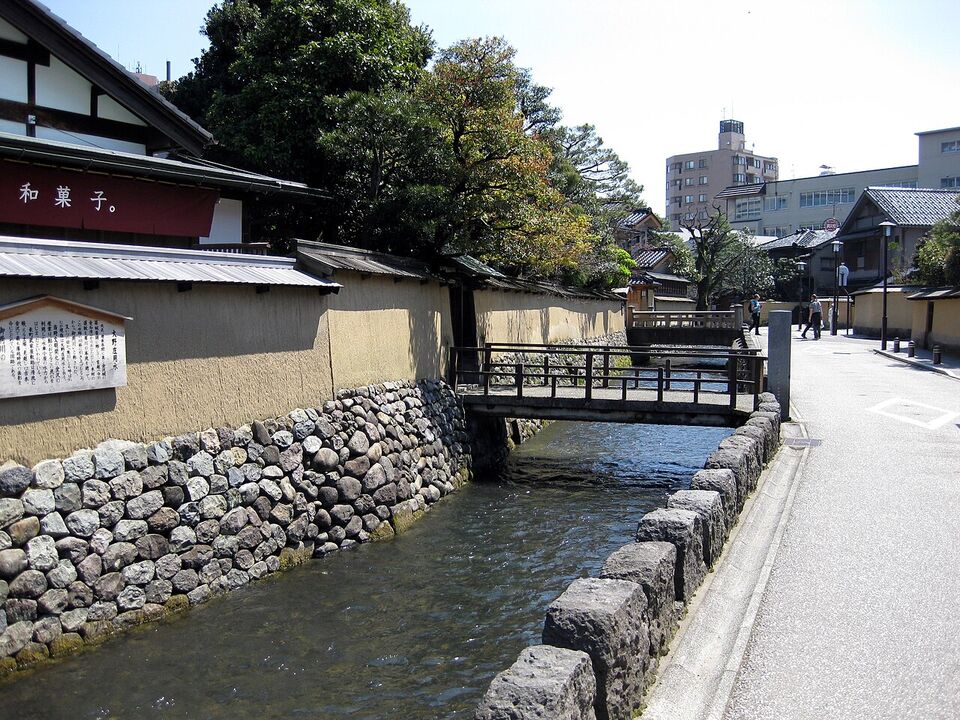
Nagamachi is the old quarter where samurai of the Kaga domain lived. Earthen walls, narrow stone-paved lanes and small canals make it a pleasant 20-minute stroll, free at any hour. The one house to go inside is the Nomura family residence, a restored samurai home with a garden, tea room and small museum, for about ¥550 (about $3.50).
The walls are covered in winter with straw mats (komo) that protect them from snow and freezing. They go up in early winter, usually December, and look striking when the lanes are lit. Nearby, a silk-dyeing center (Kaga yuzen) lets visitors try the craft for about ¥350 to see the workshop.
A different kind of old-city stop is Myoryu-ji, usually called the Ninja Temple, although it was never a ninja base. It is a temple with trapdoors, hidden stairs and secret rooms, built to defend against enemies. Entry is by guided tour only, about 40 minutes long, and you must reserve by phone in advance. The tour fee is about ¥1,000 to ¥1,200 (about $6.40 to $7.60). The commentary is in Japanese with an English handout, so most visitors treat it as a curiosity. Ask your hotel to call for you.
Omicho Market and what to eat
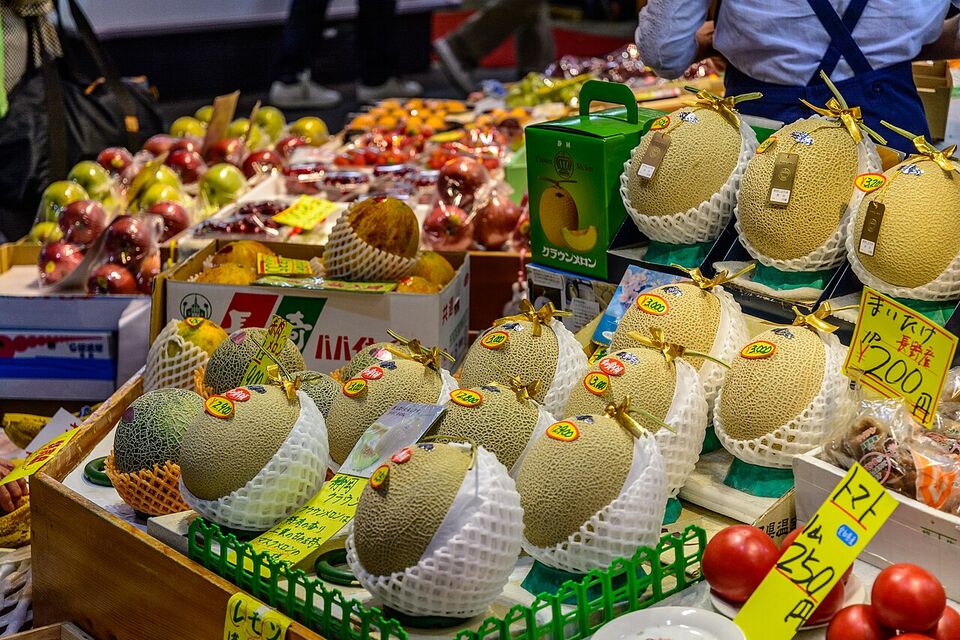
Omicho is a covered market about a 10-minute walk from the station and the best single place to eat the sea. Most stalls open at around 9 a.m. and wind down in the late afternoon, and it is busiest from about 9:30 to 11 a.m. Many stalls close on Sundays and some public holidays, so check before building your day around it. Seafood rice bowls (kaisendon), sushi, grilled shellfish and oysters are the main draws, and a bowl typically costs ¥2,000 to ¥4,000 (about $13 to $25).
Kanazawa's own dishes are worth ordering by name. Jibu-ni is a duck stew dusted with flour, Kaga ryori is the local style of refined cooking, and the cold-water sushi here is well regarded. Snow crab is the winter star. Snow crab season in the Ishikawa and Hokuriku area opens in early November (around November 6, according to local fishing calendars, so check the exact start date), and runs into the new year and beyond, so late fall to March is the time for crab menus. Prices are high at proper restaurants, so many visitors settle for a crab bowl at the market.
For cheap and cheerful, look for the many sushi counters around the station, and for sweets look for traditional shops near Higashi Chaya. For our full guide to ordering and eating in Japan, see Japanese food.
The 21st Century Museum of Contemporary Art and other museums
The 21st Century Museum of Contemporary Art, Kanazawa, is a round glass building in the center of town designed by SANAA, and it is unusual because much of it is free to walk into. It is closed on Mondays (check the calendar for exceptions), and the paid exhibition galleries have a separate ticket price that changes with each show.
The famous piece is Leandro Erlich's The Swimming Pool, where you look down into a pool from above while others stand "underwater" below. The underwater room can be visited for a fee, but the installation cannot be seen from October 19 to 30, 2026. Do check the museum's calendar before planning around it.
Closure in 2027 and 2028
The museum announced on June 8, 2026 that the building will close for large-scale renovation from May 6, 2027 to March 2028. During the closure the city plans a "Kanazawa Arts in the City" festival so that visitors still have something to see, but the program has not been finalized. If the museum matters to your plans, visit before May 6, 2027, or check the latest news before going after that date.
Other museums worth a stop are the D.T. Suzuki Museum, a quiet building about Zen thought and its reflecting-pool courtyard, which also has a tea room offering a tea ceremony for about ¥3,500 (about $22). The Kanazawa Station area has the Tsuzumi Gate, a huge wooden gate shaped like a drum, which is free to see and is a good first photograph on arrival.
Gold leaf: how to experience it
Almost all of Japan's gold leaf comes from Kanazawa. The gold is beaten into sheets only about 1/10,000 of a millimeter thick, and the craft is displayed in shops and workshops around the city. You will see it on souvenirs, cosmetics, cups, and food.
The most popular experience is a short hands-on workshop where you apply gold leaf to a chopstick, tray or small box. Sessions generally last 40 to 60 minutes and cost about ¥1,500 to ¥3,000 (about $10 to $19). Most take walk-ins, but weekends fill up, so reserve online if you can. Several workshops and shops are in and around Higashi Chaya. Gold leaf soft-serve and tea with gold flakes are the easy samples. Real gold leaf is edible and safe.
The Noto Peninsula after the 2024 earthquake and floods
The Noto Peninsula juts into the Sea of Japan north of Kanazawa. A magnitude 7.6 earthquake struck on January 1, 2024, and heavy rain brought floods and landslides on September 21, 2024 that hit already damaged areas such as Wajima and Suzu. Recovery is slow and uneven. You can visit, but it is not a normal sightseeing trip, and it works best as a short, considerate day or overnight trip.
What is open as of autumn 2026
According to the latest local guides (September 2026), the Noto Railway is running its full line with all stations served. The JR limited express between Kanazawa and Wakura Onsen is running, and a weekend sightseeing train runs on published dates through February 2027. Hokutetsu express buses leave Kanazawa Station for the Noto Satoyama Airport, Anamizu and Wajima several times a day. The airport, which has Pokemon-themed branding, has two ANA round trips a day to Haneda.
In and around Nanao, the Notojima Aquarium is fully reopened, and the glass studio on Notojima reopened in March 2024. Wakura Onsen has partly reopened, with about 11 inns operating, though some are provisional and some are still closed. In Wajima, a morning market is operating inside a temporary facility, with the traditional market area not expected to return before 2027. The Shiroyone Senmaida rice terraces can be viewed for free, and the roadside shop nearby opens on Fridays to Sundays and holidays.
What is still limited
Accommodation on the peninsula was running at under half its normal capacity, and many rooms are held for recovery workers. All major roads have reopened except eight locations on five routes, and the outer coast route (National Route 249) is not expected back until about 2029. The ferry to Hegurajima does not carry visitors. There are few petrol stations along the Noto Satoyama Kaido, so fill up before you go, and taxis are scarce.
Watch out
Conditions change quickly and official tourism pages can be out of date. Before you go, ask at the Noto Desk at the Tourist Information Center in Kanazawa Station, check the Ishikawa road-closure map, and phone ahead for meals and rooms. Book accommodation directly with the property, and treat the area respectfully: eat, stay and buy locally rather than photographing damaged homes.
If you do go, a realistic day trip is by Noto Railway or bus to Nanao and Notojima, with an overnight at Wakura Onsen if you find an open inn. Wajima is further, roughly two to two and a half hours by bus, and deserves a night to be worthwhile. Your spending matters here, and a booking in the area helps.
Other day trips: Shirakawa-go, Toyama and Fukui
Shirakawa-go, the village of steep thatched farmhouses, is about 1 hour 15 minutes from Kanazawa Station by highway bus, around ¥2,800 (about $18) one way, with seat reservations required. The Hokuriku Arch Pass does not cover this bus. The village introduced a parking reservation system in 2026 and requires advance reservations for its winter light-up evenings. See the Japanese Alps page for how to combine Shirakawa-go with Takayama.
Toyama is a 20-minute Shinkansen ride toward Tokyo and is a gateway to the Tateyama Kurobe Alpine Route in summer and autumn. Fukui, on the Tsuruga side, has the Eiheiji temple and the Tojinbo cliffs, and a dinosaur museum popular with families. Kyoto is a reasonable continuation, and our Kyoto guide picks up from there.
Where to stay and getting around town
For a first visit, stay near Kanazawa Station for the Shinkansen and quick bus links, or in Katamachi and Korinbo for restaurants and walking distance to Kenroku-en and Omicho. Staying in a renovated machiya townhouse near Higashi Chaya is a treat for a night and puts you in the district before the day-trippers arrive. Business hotels near the station are $ to $$, nicer city hotels are $$, and a high-end ryokan can reach $$$. Book early for weekends in autumn and for the Golden Week and Obon holidays; see where to stay for how to choose.
The Kanazawa Loop Bus circles the main sights and costs about ¥220 (about $1.40) per ride, or about ¥800 (about $5) for a one-day pass; prices and routes can change, so check at the station. Most sights are walkable once you arrive, and a bicycle rental is a good way to link Higashi Chaya, Nagamachi and Omicho. Many sights are closed on Mondays or the day after a holiday, so build the plan around that.
A two-day plan
- Day 1
Garden, castle, samurai
Free early entry to Kenroku-en, then the castle grounds. Lunch at Omicho Market. Afternoon in Nagamachi and the Nomura house, then the Ninja Temple tour if you reserved. Dinner near Korinbo.
- Day 2
Teahouses, art, gold
Higashi Chaya before 10 a.m., then a gold-leaf workshop. Afternoon at the 21st Century Museum (check the calendar for Monday closures) and the D.T. Suzuki Museum. Evening walk through Kazuemachi.
- Optional Day 3
Shirakawa-go or Noto
A highway bus to Shirakawa-go with a reserved seat, or the Noto Railway to Nanao and Notojima. Both need early starts.
When to go and practical notes
Kanazawa has wet weather in every season. A local saying goes that you should forget your lunch before your umbrella. Spring blossoms usually fall in early to mid April, and the castle moat and Kenroku-en are the favorite spots. Summer is hot and humid. Autumn leaves peak in mid to late November, and winter brings snow, the rope-supported pines and the Nagamachi mats. For the national picture see when to go to Japan.
Take cash for the garden, small museums and market stalls, since some do not accept cards. Check opening days before you go: many places close on Mondays or on the day after a public holiday, and the year-end closure runs from about December 29 to January 3. Plan Hokuriku itineraries with our trip-planning guide.
Add it to a route in the trip builder, or ask us to plan the hotels, trains and guides for you.