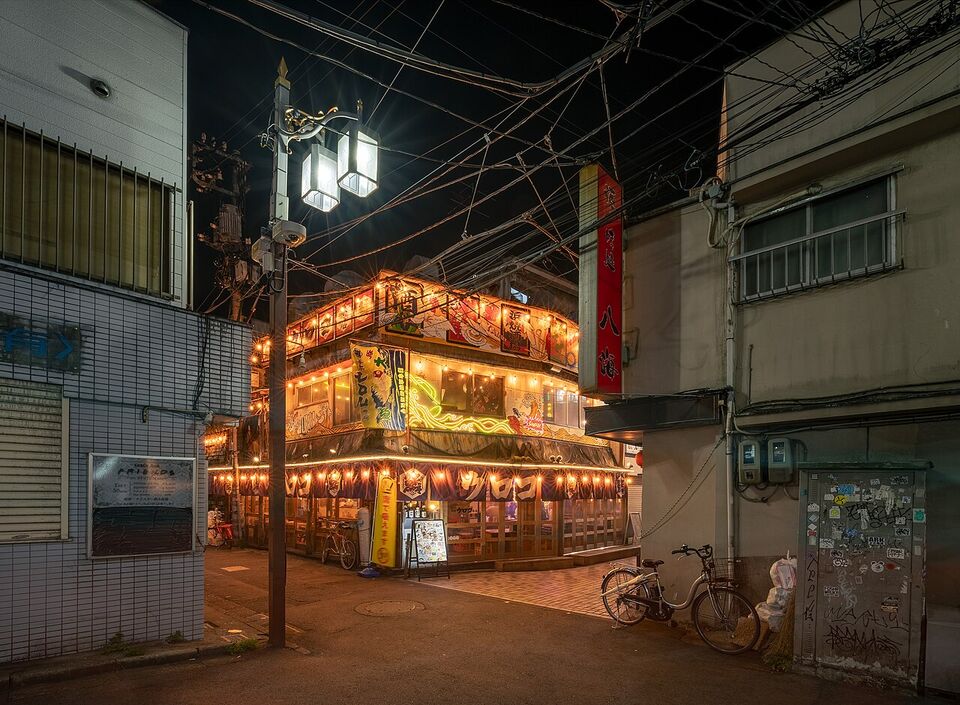
How drinking works in Japan
Japan is an easy place to drink well. Bars, izakaya and convenience stores sell everything from five-dollar draft beer to rare whisky, and the drinking culture is more social than rowdy. The main things Americans need to know are the legal age (20), the habit of ordering a drink first and food after, and a few polite customs around pouring and toasting.
The legal drinking age is 20 for alcohol and tobacco. The age of adulthood in Japan was lowered to 18 in April 2022, but the drinking age stayed at 20. If you are 20 or older but under 21, you can drink legally in Japan, though not when you return to the US. Bars are not usually strict about ID for foreigners, but have your passport ready. Convenience stores may ask you to touch a screen to confirm your age at the register.
Prices here are in yen with dollars at US$1 = ¥157. Bars often add a seat charge, so read the next sections before you go. For eating, see our Japanese food guide; for manners at the bar and table, see etiquette.
Sake: grades and how to order
Nihonshu, usually called sake in English, is brewed from rice, water, yeast and koji mold. The label tells you the style, and a few words are enough to choose well.
| Grade | What it means | Taste |
|---|---|---|
| Junmai | Rice, water, koji, yeast only; no added alcohol | Full, rice-forward, good warm or cold |
| Honjozo | Rice polished to at least 70% remaining, with a small amount of added alcohol | Light and dry; easy to drink |
| Ginjo / Junmai ginjo | Rice polished to 60% or less | Fruity and fragrant; best served cool |
| Daiginjo / Junmai daiginjo | Rice polished to 50% or less | Delicate, floral; usually the most expensive |
| Nigori | Coarsely filtered, cloudy | Sweet and creamy |
| Namazake | Unpasteurized | Fresh and lively; keep cold |
Two more words help. Karakuchi means dry and amakuchi means sweet. Many labels also show a number called nihonshu-do: a positive number tends toward dry and a negative number toward sweet, though it is only a guide.
Ordering
Most bars sell sake by the glass (ippai) or in a small carafe called a tokkuri with little cups (ochoko). A common serving is about 180 ml (called ichigo), which is more than a wine pour. Typical glass prices are ¥600-1,200 (about $4-8) in an izakaya and higher in a specialty bar. Sake tasting sets of three small cups, called nomikurabe, usually cost about ¥1,000-2,000 (about $6-13) and are the best way to compare styles.
Say "osusume wa nan desu ka?" (what do you recommend?) or "karakuchi de, kudasai" (dry, please). Servers love to recommend. Sake can be served cold (reishu), room temperature (hiya) or warm (kan). Cheaper sake tastes better warm; delicate ginjo and daiginjo are best cool. When you drink with other people, pour for them and let them pour for you, and say kanpai (cheers) before the first sip. Do not fill your own cup first.
Insider tip
At a sake shop or tasting bar, you can often pay a small fee for several samples from self-serve machines. Tasting-bar prices are posted by the cup, and many have English cards. Ask for a recommendation by flavor ("fruity", "dry", "rich") rather than by brand.
Sake breweries to visit
Japan's biggest sake districts offer museums and tasting rooms that are easy to reach from major cities. Brewing season runs roughly from late autumn to early spring, and new sake (shinshu) appears in winter. Hours and prices change, so check each site before going, and remember that most places close for the New Year holidays.
Fushimi (Kyoto)
Fushimi is a canal district of old warehouses and breweries, close to Fushimi Inari Taisha. The Gekkeikan Okura Sake Museum is the best-known stop, with a museum of brewing tools and a tasting counter. Admission was about ¥600 (about $4) in recent years, which included a small tasting; check the museum's own page for the current price. Several smaller breweries around it have tasting counters. It pairs well with a morning at the shrine (see Kyoto sights).
Nada (Kobe)
Nada-Gogo is one of Japan's largest sake-producing areas. Several breweries have free museums or tasting rooms, including Hakutsuru, Kikumasamune and Sawanotsuru. Opening hours are roughly 9:30 or 10 a.m. to 4:30 p.m. Hakutsuru is about a five-minute walk from Sumiyoshi Station on the Hanshin Line. Some factory tours need a reservation, and some places close on one weekday, so check before you go.
Saijo (Higashihiroshima)
The town of Saijo has a cluster of breweries with red-brick chimneys within walking distance of the station, many of which have tasting rooms. A big Saijo Sake Festival (Sake Matsuri) takes place on a weekend in mid-October. Pair it with a visit to Hiroshima and Miyajima.
Another way to try many sake in one place is a sake festival or a department-store tasting corner. The sake shop inside a major station will often have a counter where you can taste before you buy.
Japanese whisky and distilleries
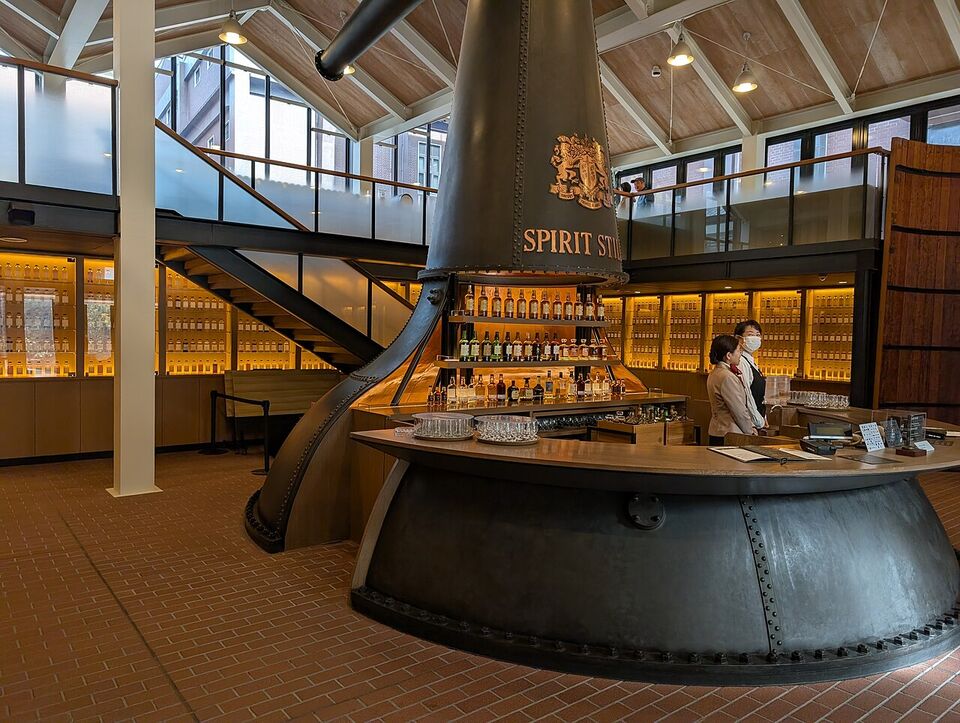
Japanese whisky became famous over the past two decades, and the best bottles are now hard to find and expensive. Since 2021 an industry rule says that only whisky distilled, aged and bottled in Japan can be labeled as Japanese whisky, which helps you spot the real thing. Many bars have a good selection, and the cost of a pour ranges from ¥800 (about $5) for a standard blend to several thousand yen for rare bottles. Most bars charge a seat or cover fee, often ¥500-1,000 (about $3-6).
Distillery tours
| Distillery | Where | Cost and booking |
|---|---|---|
| Suntory Yamazaki | Between Kyoto and Osaka (Yamazaki Station) | Paid tour and tasting by lottery, about ¥3,000 (about $19) per person according to a secondary source (check the reservation page); a free whisky museum viewing is first come, first served on the reservation page |
| Suntory Hakushu | Yamanashi, in the Southern Alps foothills; about 2.5 hours from Tokyo | Paid tour by lottery; a free museum and Central House viewing is booked in a separate monthly window on the same site |
| Nikka Yoichi | Hokkaido, about 1 hour from Sapporo | Free guided tour with tasting; reservation required |
| Nikka Miyagikyo | Near Sendai | Free guided tour with tasting; reservation required |
| Chichibu (Venture Whisky) | Saitama, about 1.5-2 hours from Tokyo | Small craft distillery with limited visits; check the distillery's own site |
The two Suntory distilleries use a monthly lottery. For Yamazaki, the entry window for the January 2027 tour runs from November 10 to November 14, 2026, with results by email on November 19. For Hakushu, the January 2027 entry window runs from November 6 to November 10, 2026, with results on November 17. These dates are from the distilleries' own pages on November 6, 2026, and a new window opens every month, so use them as a guide to how the system works and not as a deadline. If you win, you must pay by the next day, and payments are not refundable.
At Yamazaki the standard tour is reportedly offered in English once a day; check the reservation page. Hakushu is a longer trip from Tokyo, so combine it with a day in the mountains or with Mount Fuji. Tours at both are closed around the New Year and during maintenance shutdowns, some of which are not announced in advance.
The Nikka distilleries have been free but need a reservation, and groups of 10 or more cannot book online. The Yoichi tour lasts about 70 minutes and ends with a tasting. Both distilleries have reportedly closed from December 23 to January 7, so confirm the dates and current tour rules on Nikka's visitor pages before you plan around them. Chichibu is a small distillery that is harder to visit; contact it directly. If you cannot get a tour, the museum shops, tasting bars and bars in Tokyo and Osaka are an easy alternative.
Watch out
Do not travel to a distillery without a confirmed reservation or lottery result. Walk-in tours are not offered at the Suntory distilleries. Use the official reservation page only; resale sites and tour packages add a large markup.
Highballs and cocktails
The Japanese highball is whisky and soda over ice, and it is the standard drink at izakaya and bars. It is light, bubbly and goes well with fried food. Typical prices are ¥500-800 (about $3-5) at an izakaya. Bars that specialize in highballs make them with chilled glasses and carefully poured soda.
Cocktail bars in Tokyo, Osaka and Kyoto are known for precision and quiet service. A good bar may add a seat charge of ¥500-1,500 (about $3-10) and a drink costs ¥1,500-2,500 (about $10-16). Many bars are tiny, with a handful of seats on an upper floor; some do not admit large groups. Look at the menu posted outside, and confirm the seat charge before sitting.
Also look for canned chuhai (shochu with fruit soda) in every convenience store. Common strengths are 3-9%, and the strong ones at 9% taste lighter than they are.
Beer and craft beer
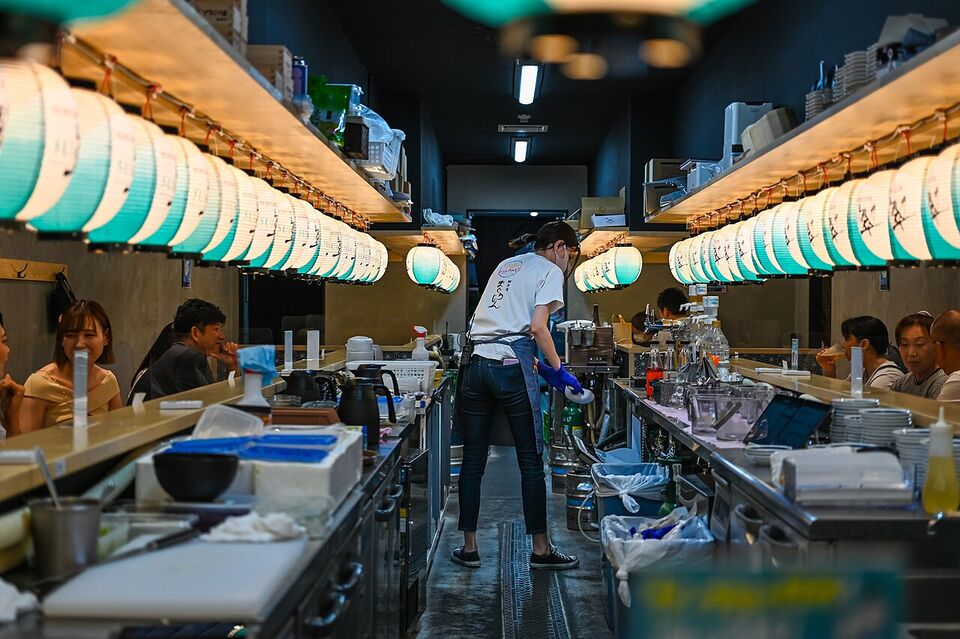
The big four brands are Asahi, Kirin, Sapporo and Suntory. A standard draft at an izakaya (nama) costs about ¥500-700 (about $3-4). Most places will start by asking "toriaezu biru?" ("beer for now?"), and it is normal to start a meal that way. Beer is sold in cans at every konbini for about ¥200-300 (about $1-2).
Craft beer has grown steadily. Look for craft taprooms and brewpubs in Tokyo, Osaka, Kyoto, Nagano and Hokkaido; pints cost about ¥900-1,400 (about $6-9). In winter, seasonal and regional releases appear. Asahi suffered a cyberattack in autumn 2025 that disrupted supplies of Asahi products; shipments were reported to be returning to normal in 2026, but stock can vary, so if a favorite is missing, try another brand.
Shochu and awamori
Shochu is a distilled spirit, usually 25% alcohol, made from sweet potato (imo), barley (mugi), rice (kome), brown sugar (kokuto) or other ingredients. It is especially popular in Kyushu. Sweet potato shochu is earthy and rich, and barley is lighter. You can drink it:
- On the rocks (rokku)
- With water (mizuwari), cold or hot (oyuwari)
- With soda or in a chuhai
Many Kyushu izakaya sell whole bottles and keep them for regulars (bottle keep), which is not useful for a short trip; order by the glass. See Kyushu for regional food and drink.
Awamori is Okinawa's spirit, distilled from long-grain rice and often aged in clay pots. The older versions, called kusu, are mellow and slightly sweet. It is typically drunk on the rocks or mixed with water. Plenty of distilleries on the island give tours; see Okinawa.
Nomihodai and all-you-can-drink
Nomihodai means all you can drink for a fixed time, usually 90 to 120 minutes, and it is common at izakaya and karaoke bars. Plans usually cost about ¥1,500-2,500 (about $10-16) per person when added to a food set, or a bit more on its own. The menu is limited to beer, highballs, chuhai and basic cocktails; premium sake and whisky cost extra. There is often a last-order time 30 minutes before the end.
These plans are good value if you plan to drink more than three or four drinks. If you drink slowly, order a la carte. Everyone at the table usually has to join the plan.
Matcha and tea ceremony
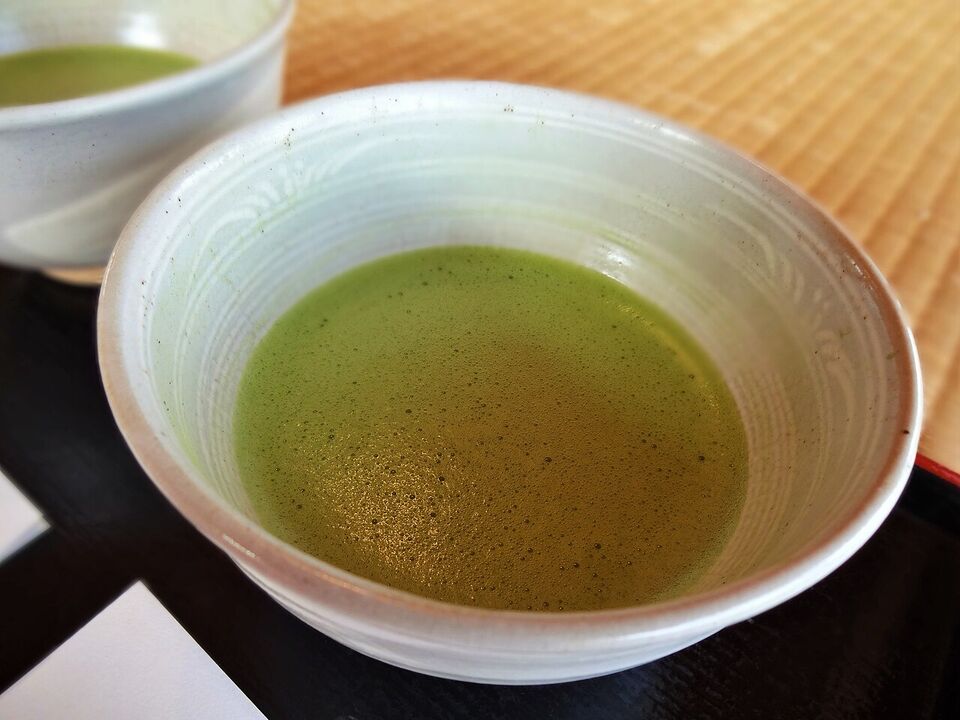
Green tea is part of everyday life in Japan, and the best-known tea town is Uji, a short trip south of Kyoto. Uji has grown tea for centuries, and the main street is lined with tea shops and cafes selling matcha sweets, soba and soft-serve ice cream. It is about 20-30 minutes from Kyoto Station on the JR Nara Line. Pair it with a visit to Byodo-in, the temple on the old ¥10 coin.
Trying a tea ceremony
A formal chanoyu or sado (tea ceremony) is a slow, quiet event in which a host prepares matcha for guests. Tourist-oriented versions in Kyoto, Tokyo and Kanazawa last 30 to 60 minutes, are usually in English, and cost about ¥2,500-6,000 (about $16-38) a person, depending on the setting and whether you wear a kimono. Book ahead in cherry blossom and fall foliage seasons. Check that the host will explain the steps and that the session includes sweets with the tea.
A few tips: wear socks without holes, since you take off shoes; do not wear strong perfume; and try to arrive on time. You will be shown how to turn the bowl before drinking, and it is fine to make mistakes. Cheaper options are teahouses in gardens and shrines, where you can have a bowl of matcha and a sweet for about ¥600-1,200 (about $4-8) without a formal lesson. See temples and shrines for gardens that have tea service.
Other teas
Besides matcha, you will see sencha (daily green tea), hojicha (roasted, low caffeine), genmaicha (green tea with toasted rice) and barley tea (mugicha), which is served cold in summer. Cold bottled tea is sold everywhere and is unsweetened unless the label says otherwise.
Coffee and kissaten
Japan has a long coffee tradition. A kissaten is an old-style coffee shop with dim lighting, wood furniture, siphon or hand-drip coffee, and toast, egg sandwiches or pudding. Many have been open for decades and some still allow smoking indoors, which is legal in small existing cafes, so ask for a no-smoking seat if it matters. Coffee costs about ¥500-800 (about $3-5). In Nagoya, a coffee order often comes with a free "morning set" of toast and egg until about 10 or 11 a.m.
Specialty coffee shops in Tokyo, Kyoto and Fukuoka serve pour-overs and espresso in a modern style. Convenience stores sell decent fresh-brewed coffee for about ¥100-200 (about $1). You pay at the register first, then use the machine yourself. Vending machines sell hot and cold canned coffee; the ones with a red label are hot and the blue are cold. A drink at a cafe in a tourist area can cost more, so look for the price on the menu outside.
Rules: street drinking, etiquette and safety
- Open containers: there is no nationwide ban on drinking in public, and picnics with beer under cherry trees are normal. Still, some districts restrict street drinking, especially at night in busy areas such as around Shibuya Station. Obey the posted signs, and do not walk around with an open can.
- Trains: drinking on the Shinkansen and limited express trains is common; on local commuter trains, it is considered rude.
- Pouring and toasting: wait for everyone to have a drink, say kanpai, and pour for others first.
- Intoxication: public drunkenness is tolerated more than in the US, but it is still unwelcome. Do not be loud on trains or in temples.
- Driving and cycling: Japan has near-zero tolerance for drunk driving, and passengers and people who give drinks can also be punished. The limit for cycling is also strict. Take a train or taxi.
- No tipping: do not tip bartenders. The seat charge is the equivalent.
If you feel unwell after drinking, see our safety guide and health guide. A convenience store sells hangover drinks and water.
Bringing bottles home
There are two sets of rules, one for entering Japan and one for returning home.
Into Japan: each adult can bring 3 bottles of alcohol (about 760 ml each) duty and tax free. Extra amounts are taxed at a simplified rate. That is the limit for your arrival.
Back to the US: for travelers 21 and over, US Customs generally allows 1 liter of alcohol within your personal exemption (usually $800 for US residents returning from a trip longer than 48 hours). Alcohol above that is subject to duty and sometimes state tax, and some states have their own limits. Gifts of alcohol over the allowance should be declared. Alcohol sent by mail from Japan to the US is generally not allowed, and shipping companies restrict it. Two or three bottles of sake or whisky are easy to pack, but remember the 1-liter US limit.
- Wrap bottles in clothes inside your checked bag; liquids over 100 ml cannot go in carry-on after security checks.
- Buy duty-free alcohol at the airport only if you will not need to pass another security check on a connecting flight.
- Declare alcohol on your US customs form and keep receipts.
- Check our shopping guide for how the new tax refund works for liquor and food.
Save money
Sake and whisky are cheaper in liquor shops and department stores than in bars, and the best bottles are often sold out.
Add it to a route in the trip builder, or ask us to plan the hotels, trains and guides for you.