Overview: why ski in Japan and what to expect
Japan's ski reputation comes from snow. Cold air from Siberia crosses the Sea of Japan, picks up moisture and dumps it on the mountains of Hokkaido and the Japan Alps, producing light, dry powder that skiers call "Japow." Resorts also offer something Americans rarely get at home: a hot spring bath, a bowl of ramen and a good night's sleep a few minutes from the lifts, at lower cost than comparable US resorts.
Choose your trip by what matters most. Niseko in Hokkaido is the most international and the easiest in English. Hakuba and Nozawa Onsen in Nagano are the most convenient for visitors who also want Tokyo. Gala Yuzawa is the only realistic day trip from Tokyo. For a quieter, more Japanese experience, look at Furano, Myoko, Zao, Shiga Kogen and Rusutsu.
Prices on this page are 2026-27 prices where we could confirm them from the resort, with dollars at about ¥157 to US$1. Where we could not confirm a figure, we say so and give you the resort's official site to check. Rates change, and so do the ticket categories. Read this alongside Hokkaido, the Japanese Alps and outdoors in Japan.
Season dates and when to go
The season starts earlier and ends later in Hokkaido than on Honshu (the main island). Niseko United's four resorts plan to open on November 28, 2026. Niseko Village is scheduled to close April 4, 2027, Hanazono April 11, and Annupuri and Grand Hirafu May 5, with night skiing from December 12 to March 22. Nozawa Onsen also plans to open on November 28, with its regular-rate period running December 19 to March 28. Dates depend on snow, and all of them can change. Early-season snow is never guaranteed, so check each resort's snow report before you book.
- Late November to mid-December: early season. Lower prices at Niseko, but thin cover, limited terrain and variable snow, especially in Honshu.
- Late December to early January: peak prices and crowds, but good snow in Hokkaido. Book everything months ahead.
- Mid-January to mid-February: the usual window for the deepest and driest snow. Also busy, and Chinese New Year (February 6, 2027) adds crowds.
- March: spring conditions arrive, with softer snow and long sunny days. Hokkaido is still cold. Prices drop at many resorts.
- April to early May: only Hokkaido (and a few high-elevation areas) keep running. Spring skiing and Golden Week crowds in late April.
If you want a choice, mid-January to mid-February offers the best chance of powder, and a week in Hokkaido gives you more storms than three days in Honshu. Early March is a good compromise on cost and weather.
The main resorts compared
Niseko
Niseko United links Hanazono, Grand Hirafu, Niseko Village and Annupuri on one mountain, with a shared All Mountain Pass and a free shuttle in winter. English is everywhere: lessons, rentals, restaurants and signs. It is also the most expensive resort in Japan, and the most crowded.
Rusutsu
A large resort with tree runs and a reputation for deep snow. It has on-site hotels, a gondola and a family-friendly layout, and tends to be quieter than Niseko. Check rusutsu.com for 2026-27 prices and opening dates, which we could not confirm.
Furano
Dry snow, a mix of beginner and advanced terrain and a quieter, more local feel. The town has Hokkaido's farm-country food. It is easier by rental car or bus than by train. Check the resort for the 2026-27 season dates and prices.
Hakuba Valley
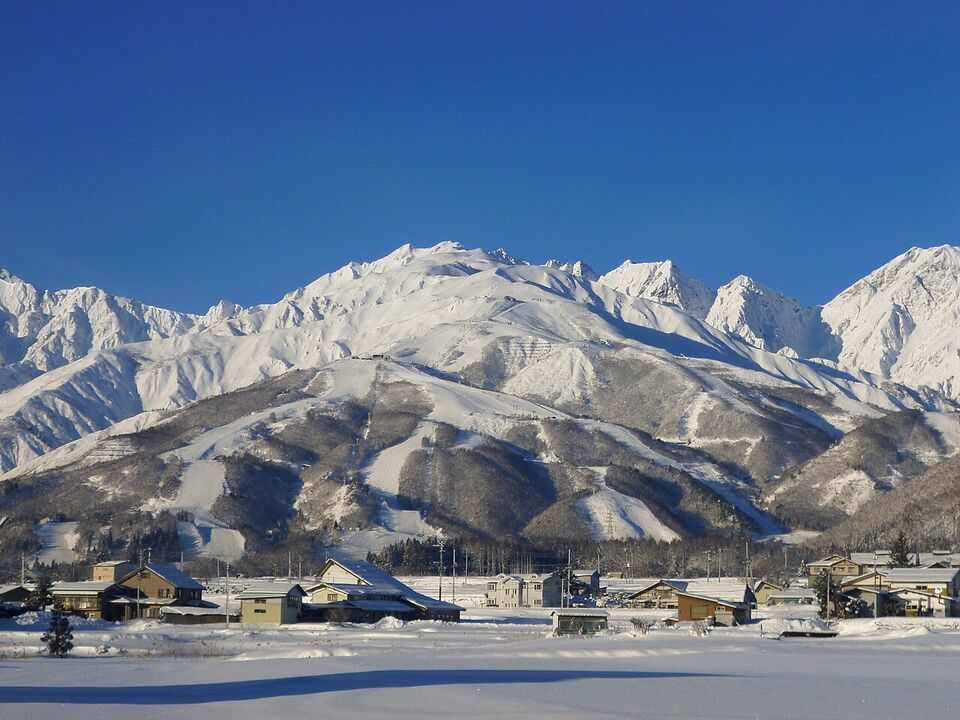
Ten resorts (including Happo-one, Hakuba47, Tsugaike and Cortina) share an all-mountain ticket of ¥11,100 (about $71) for one day for adults. Hakuba has a large international community and lots of English-language services, with big terrain and steep runs.
Nozawa Onsen
A real hot-spring village with 13 public baths (soto-yu) and a ski area above it. It opens November 28, 2026, and a regular adult day ticket is ¥7,800 (about $50) from December 19. Good for people who want the culture as well as the skiing.
Shiga Kogen
One of Japan's largest ski areas, with 18 slopes spread over many linked or bus-connected sub-areas, at higher altitude. The Opening Festival is on December 5, 2026. Check the Shiga Kogen ski association for the all-area pass price, which we could not confirm.
Myoko Kogen
Heavy snowfall, several smaller resorts and a quieter scene than Niseko or Hakuba. Check the local tourism site for current lift prices and winter bus times.
Zao Onsen
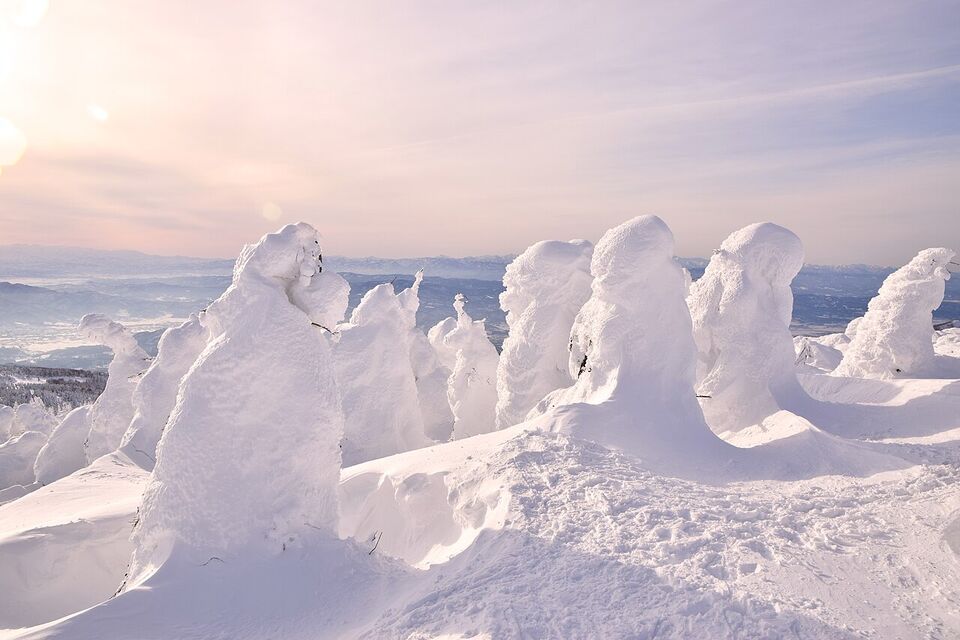
Known for "snow monsters" (juhyo), trees coated in ice and snow, usually at their best from late January to February. The hot-spring town sits at the base of the slopes. Zao's snow is wetter than Hokkaido's.
Gala Yuzawa
Joetsu Shinkansen trains stop at a seasonal station inside the resort, so you can ski a day and return to Tokyo the same evening. The season is usually shorter than at mountain resorts, so check dates and ticket prices at the resort's site before you plan.
Lift ticket prices for 2026-27
Lift prices in Japan have risen, especially at the international resorts. Niseko United, in particular, has moved to a seasonal price structure and now charges more at Christmas and New Year than in early season. Remember that tickets differ by age, and that children and seniors usually have lower rates.
| Resort and ticket | Price | US$ (approx.) | Notes |
|---|---|---|---|
| Niseko United, 1-day, early and spring | ¥8,800 | $56 | Nov 28-Dec 11; Mar 23-Apr 4 |
| Niseko United, 1-day, regular | ¥12,600 | $80 | Dec 12-23; Mar 1-22 |
| Niseko United, 1-day, peak | ¥13,500 | $86 | Dec 24-Feb 28 |
| Niseko United, 7-day, peak | ¥91,500 | $583 | Consecutive days only |
| Niseko All Mountain Season Pass | ¥184,400 | $1,175 | Non-transferable, ID checked |
| Hakuba Valley, 1-day all-mountain | ¥11,100 | $71 | Ten resorts; night skiing not included |
| Hakuba Valley, 3-day | ¥32,200 | $205 | Valid for 6 days from first use |
| Hakuba Valley, 5-day | ¥53,400 | $340 | Valid for 10 days from first use |
| Nozawa Onsen, 1-day, regular | ¥7,800 | $50 | Dec 19-Mar 28; no night skiing |
| Nozawa Onsen, 3-day | ¥21,200 | $135 | Consecutive days |
Niseko also sells a 12-point ticket (¥7,500 for an adult, about $48) that deducts points per ride, which suits people who ski only a few runs. Children aged 4 to 12 pay about 60 percent of the adult price. Niseko says buying online skips the counter queue and saves about 5 percent on average, and online sales opened on November 4, 2026. Niseko United's 2026-27 table does not split prices by residency, so visitors and residents pay the same adult rate. Prices for the final season (April 5 to May 5, 2027) were not listed when we checked, so confirm them if you plan a spring trip.
For other resorts (Rusutsu, Furano, Shiga Kogen, Myoko, Zao and Gala Yuzawa) we could not confirm 2026-27 prices. As a planning range, expect ¥5,000 to ¥10,000 (about $32 to $64) for a day ticket at most of them, but check the resort's own site. Also watch for lodging-guest tickets, bus-and-lift combination tickets and early-bird deals.
Save money
Buy online, ski on weekdays and in early March or early December, and consider a multi-day or valley pass. A seven-day Niseko peak ticket works out to about ¥13,070 (about $83) per day, versus ¥13,500 for a single day. If you plan to ski more than a week, compare the season pass, which also covers shuttle buses.
Ski schools and rentals in English
At the large international resorts, English-language lessons are common. In Niseko, lessons are widely available in English, and some schools also teach in Japanese and Mandarin. Hakuba Valley's tourism site lists authorized schools at each resort, and many of them teach in English, including Evergreen International Ski School (at Happo-one, Iwatake, Tsugaike and Cortina) and Hakuba Snow Sports School at ABLE Hakuba Goryu. Nozawa Onsen's own ski school runs group, private, kids' and backcountry lessons in 2026-27, but we did not confirm the language or prices.
- Book early. For Christmas, New Year, Chinese New Year and January to February, private instructors sell out. Reserve lessons before you leave home.
- Use the resort-authorized schools. They have set prices, and instructors know the local rules and hazards.
- Check ages. Minimum ages vary, from 2 or 3 years at some schools to 5 or 6 at others.
- Rent locally. Skis, boards, boots and helmets are widely available at resorts, and shops are used to foreign sizes. In peak weeks, reserve them in advance, especially for children and large boots. Prices vary by shop; we did not confirm current rental rates.
- Bring your own boots if you have a hard-to-fit foot. Boots are the item rental shops run out of.
Powder guides are a separate service. Niseko-based guide companies sell first-tracks and cat-skiing days, and these need advance booking. Ask a guide company about its avalanche training and certifications before you book.
Getting there, and getting your gear there
Hokkaido
Most visitors fly to New Chitose Airport (CTS) near Sapporo. Niseko is about 2.5 to 3 hours away by shuttle, bus or car, depending on weather and road conditions. United Airlines has announced a seasonal nonstop flight from San Francisco to New Chitose starting in December 2026 (Niseko's tourism site gives December 11), but check the airline's schedule before you plan around it. Book your airport shuttle early, because winter taxis and buses are in high demand. Rusutsu and Furano are also reached from New Chitose by road or bus.
Nagano and Niigata
From Tokyo, take the Hokuriku Shinkansen to Nagano (about 80 minutes), then a bus to Hakuba (about 1 hour 15 minutes) or Shiga Kogen (about 80 minutes). For Nozawa Onsen, take the Shinkansen to Iiyama and then a bus (about 25 minutes). For Gala Yuzawa, take the Joetsu Shinkansen to the resort station (about 80 minutes). Zao is reached by the Yamagata Shinkansen to Yamagata and then a bus. See getting around and the JR Pass guide to decide whether a pass makes sense, since a ski trip may not use enough rail to pay off.
Skis and luggage
You have three options.
- Fly with your own gear. Many airlines accept a ski or snowboard bag as a checked bag, sometimes within normal weight limits. Check your airline's rules for fees and weight before you buy a ticket.
- Rent in Japan. Simplest, and the best choice if you are traveling on trains with the rest of your luggage.
- Forward your bags. Courier companies (takkyubin, such as Yamato and Sagawa) can send luggage and ski bags between hotels, airports and resorts, typically in one to three days, longer for Hokkaido. Ask your hotel to arrange it. Prices commonly run about ¥2,000 to ¥3,500 (about $13 to $22) per bag within the main islands but we did not confirm 2026 rates, and ski bags can cost more.
Different from home
Japanese trains are crowded and luggage space is limited. Large bags and ski bags on rush-hour Shinkansen are a problem, so forward them a day ahead and travel with a light bag. On the Shinkansen, bags with total dimensions over 160 cm (63 in) need a reserved seat with oversize luggage space. Check the rules for your train.
Backcountry safety and avalanches
Deep snow draws skiers off the groomed runs, and Japan's backcountry is not patrolled the way a US ski area is. Avalanches, tree wells, cliffs and fast-changing weather are the main dangers.
- Know the boundaries. Niseko's rules prohibit ducking ropes or entering closed areas. Closures apply even to experienced skiers, and you are responsible for yourself. Follow the signage and the resort's rules.
- Go with equipment and training. At minimum: avalanche transceiver (beacon), probe, shovel, and the training to use them. Take a course at home before you go.
- Check the forecast. Niseko's site links to a local avalanche information service. Check the bulletin and the weather every morning.
- Hire a guide if you are new to the terrain. Local guides know snowpack and routes, and many speak English.
- Tree wells. Ski with a partner in deep snow. Falling head-first into a tree well can be fatal.
- Insurance. Buy travel insurance that covers skiing off-piste and mountain rescue and evacuation. US health insurance generally does not cover care in Japan, and private rescue can be expensive. See health.
- Emergencies. Dial 119 for ambulance, 110 for police, and use the Japan Visitor Hotline 050-3816-2787 for help in English. See safety.
Watch out
Lift-served powder can be deep enough to bury a person. Always ski with a buddy, stay in sight, and never ski alone in trees or on closed runs, even inside the resort. Heavy snowfall can also close roads and delay buses and trains, so leave a day of buffer before your flight.
Onsen after skiing, and tattoos
A hot spring bath is the standard end of a ski day. Most ski towns have onsen at hotels, public bath houses and day-use spas. Nozawa Onsen has 13 public baths, and the resort also has a day-use spa. The rules are the same as everywhere: wash first, keep the towel out of the water, and bathe without clothing. See our onsen guide for the full etiquette.
Tattoos are the main issue for some visitors. Many bath houses ban visible tattoos because of a historical link with organized crime, although ski resorts that serve many foreigners are often more relaxed. Policies are set by each bath, not by law, and they vary. We could not confirm tattoo rules at Nozawa Onsen's public baths or at other resorts, so contact each place first. If the answer is no, you have three options: a bath that allows tattoos, a small tattoo covered with a waterproof patch where allowed, or a private bath (kashikiri) that you rent by the hour for your own group. Many hotels have private baths for guests.
Sample plans
- One day
Gala Yuzawa from Tokyo
Take an early Joetsu Shinkansen to the resort station (about 80 minutes), rent gear at the base, ski until mid-afternoon and return the same evening. Check season dates and ticket combinations first, since the station operates in winter only.
- 3 to 4 days
Nozawa Onsen
Shinkansen to Iiyama, then a bus to the village. Ski for two days, soak in the public baths in the evening and take a lesson if you are new. A good first trip because the village is walkable and everything is close to the lifts.
- One week
Hokkaido powder
Fly to New Chitose, transfer to Niseko, book a lesson or guide for the first day, and ski the four resorts on an All Mountain Pass or a multi-day ticket. Leave a spare day before your flight for weather. Add a night in Sapporo to eat and see the city.
- One week
Hakuba plus Tokyo
Three days in Tokyo, then the Shinkansen and bus to Hakuba for four days of skiing with an all-mountain ticket. Return by the same route and fly home from Tokyo.
Common mistakes
- Arriving without booked lessons, rentals or airport transfers in peak weeks
- Planning a powder trip for late March, or a powder day without a buffer for weather
- Skiing off-piste without a beacon, probe, shovel or training
- Assuming every onsen allows tattoos, or that cash is not needed in small ski villages
- Carrying skis on a rush-hour train instead of forwarding the bag
- Skipping insurance that covers off-piste skiing and rescue
Before you book, also read when to go for winter weather, Hokkaido for Sapporo and the island's food, and packing for cold-weather clothing, which you can mostly rent or buy in Japan.
Add it to a route in the trip builder, or ask us to plan the hotels, trains and guides for you.