Overview: planning a trip around fandom
Japan is the easiest place in the world to spend a day inside a story you already love, and the hardest to book for it. The shopping districts need no planning at all. The headline attractions (the Ghibli Museum, the Nintendo Museum, Ghibli Park, the Pokemon Cafe) all use advance, date-specific tickets, and some use lotteries. Decide which of those matter most, then build the rest of the trip around the dates you win.
Here is the practical order of operations. Book the timed attractions first, then flights and hotels, then the free-roaming days in Akihabara, Nakano and Ikebukuro. Concerts and events like Comiket are a separate planning layer, because their dates are fixed and their crowds are enormous. The sections below give the booking calendar first and the shopping districts second, in the order you will actually act on them.
This guide names franchises and describes what you will find there; it is not an official guide to any of them, and offerings change. Confirm opening hours and ticket rules on each official site before you go. For the rest of your Tokyo days, see the Tokyo guide and Tokyo sights, and for other themes, trips by interest.
The booking calendar
Almost every top attraction here runs on a rolling sale. Use this table to put dates in your calendar. Dates and prices below come from the official sites in November 2026, and sale dates can change.
| Attraction | How it sells | When | Adult price |
|---|---|---|---|
| Ghibli Museum, Mitaka | Online, dated and timed entry; first-come | 10 a.m. JST on the 10th of the previous month | ¥1,000 (about $6) |
| Ghibli Park, Aichi | Online reservation, dated passes | 2 p.m. JST on the 10th, two months ahead | From ¥3,300 (about $21) |
| Nintendo Museum, Uji | Free lottery, then pay if you win | Entries open about 3 months ahead | ¥3,300 (about $21), per our latest source |
| Pokemon Cafe, Tokyo and Osaka | Online reservation, sells out quickly | Check the official site for the opening time | Pay for what you order |
| Sanrio Puroland | Dated tickets online are cheaper on some days | Buy a few days to weeks ahead | Varies by day; check the official site |
If a date you want has no tickets left, do not buy from a reseller. All of these attractions say tickets are for the named person, and some check ID at the gate. Reselling is banned for the Ghibli Museum and Nintendo Museum, and a cancelled booking cannot always be recovered.
Ghibli Museum (Mitaka)
The Ghibli Museum is in Mitaka, on Tokyo's western side, near Inokashira Park. It is a small, designed building with original exhibits, a short film made only for the museum, a rooftop garden and a shop. Plan about two to three hours. It is aimed at families and adults alike, and it does not allow photography inside.
Tickets
Admission is by advance reservation only. Tickets cost ¥1,000 (about $6) for ages 19 and up, ¥700 (about $4) for 13 to 18, ¥400 (about $3) for 7 to 12, ¥100 (under $1) for 4 to 6, and free for ages 3 and under. They are valid for one date and one entry time. Sales for each month start at 10 a.m. Japan time on the 10th of the month before. For example, December 2026 tickets go on sale on November 10, 2026, and January 2027 tickets on December 10. The museum's calendar shows which dates are open, and the best days sell out within minutes.
From outside Japan, buy through the English version of Lawson Ticket, linked from the museum's site. There is also a bus tour option that includes the museum. Tickets cannot be bought at the museum itself. The person who bought the ticket should travel with the passport used to book; confirm the ID rule at purchase. Open hours are 10 a.m. to 6 p.m., with closed days listed on the museum's Hours and Directions page, so check that before you choose a date.
Insider tip
Time zones matter: 10 a.m. in Japan is 8 p.m. the previous evening on the US East Coast (during standard time) and 5 p.m. on the West Coast. Set an alarm, log in early, and have your passport details and a card ready. Pick two or three alternate dates in advance, since the first choice may sell out.
Ghibli Park (Aichi)
Ghibli Park spreads across Aichi Commemorative Park, the former site of Expo 2005, outside Nagoya. It has five areas: Ghibli's Grand Warehouse, Hill of Youth, Dondoko Forest, Mononoke Village and the Valley of Witches. It is a long outdoor day with some indoor exhibits. It takes roughly an hour from central Nagoya by subway and the Linimo maglev line, so it fits as a day trip from Nagoya, or from Kyoto if you start early; see our Kyoto guide if you plan a base there.
Advance reservations are required. Per the park's site, passes go on sale at 2 p.m. Japan time on the 10th, two months ahead: reservations for January 2027 open on November 10, 2026. There are two main passes. The Premium pass covers all five areas, including the buildings in the Valley of Witches, and costs ¥7,300 (about $46) on weekdays and ¥7,800 (about $50) on weekends and holidays. The Standard pass covers Ghibli's Grand Warehouse, Mononoke Village and the Valley of Witches for ¥3,300 (about $21) on weekdays and ¥3,800 (about $24) on weekends. Child prices are lower; see the park's ticket page. Standard holders need an extra same-day ticket for Howl's Castle (¥1,000 for adults, about $6), and the booking sites may add a service fee.
You buy online through Lawson Ticket or Klook; the park does not sell by phone or at the gate. Each ticket type is limited to one purchase a month, with up to six tickets per transaction. The person named on each ticket must be present and able to show ID, and the park asks visitors to bring a passport. Bookings cannot be changed or refunded, so check the date against your flights first.
Nintendo: stores, the museum and the lottery
Nintendo Museum (Uji, near Kyoto)
The Nintendo Museum is in a former factory site in Uji, south of Kyoto. It mixes a history of Nintendo's playing cards and toys, hands-on games, a workshop and a shop. Our latest figures are adult ¥3,300 (about $21), ages 12 to 17 ¥2,200 (about $14), ages 6 to 11 ¥1,100 (about $7), under 6 free, though the official site we read did not list prices, so confirm them when you apply. It is open 10 a.m. to 8 p.m. and closed Tuesdays and from December 30 to January 3; if a Tuesday is a national holiday, it closes the following Wednesday.
Tickets are by free lottery. Make a Nintendo Account, choose up to three dates and times, and wait for the results by email. Entries are open now for February 2027. If you win, you must pay by credit card to confirm. Reservations are in the visitor's name and the visitor shows ID on the day. There is a cafe inside for ticket holders, serving custom burgers. Reselling is prohibited, and Nintendo warns about scam sites, so apply only through the museum's official site.
It is a 5-minute walk from Ogura Station (Kintetsu Kyoto Line) or about 8 minutes from JR Ogura Station on the Nara Line. Do not plan to drive or take a taxi, as the museum asks visitors to use public transit. Combine it with a Kyoto day: see the Kyoto sights guide.
Nintendo stores
There are Nintendo stores in Tokyo (Shibuya Parco), Osaka (Daimaru Umeda) and Kyoto (Takashimaya). They sell character goods and some Japan-only items. Entry is free, though stores sometimes manage crowds with numbered tickets on busy days. These stores are inside department stores and keep the store's hours. If you only need a Nintendo fix, the store in your city is enough, and the museum is for people who want the full day.
Pokemon Centers and the Pokemon Cafe
Pokemon Centers are official shops with exclusive goods. Tokyo has several, including a large store in Ikebukuro's Sunshine City, one in Shibuya, one at Tokyo Skytree Town, one at Tokyo Station and one on the bay side. There are also stores in Osaka, Kyoto, Nagoya, Fukuoka, Sapporo, Yokohama, Hiroshima, Sendai and other cities. Stock and event items change, so check the official site for hours and any limits on how many of a hot item you can buy.
The Pokemon Cafe has two locations, Nihonbashi in Tokyo and Shinsaibashi in Osaka. Both require online reservations that sell out within minutes of opening. Seatings are time-limited and tied to a group size, and the menu is mostly character-shaped food and drinks. The official reservation site is in Japanese with an English option; the exact opening schedule and the rules for cancellation are on that site, which we could not open for this guide, so verify them directly. Make an account before sale time, and have your party's names and dates ready.
Akihabara, Nakano Broadway and Ikebukuro
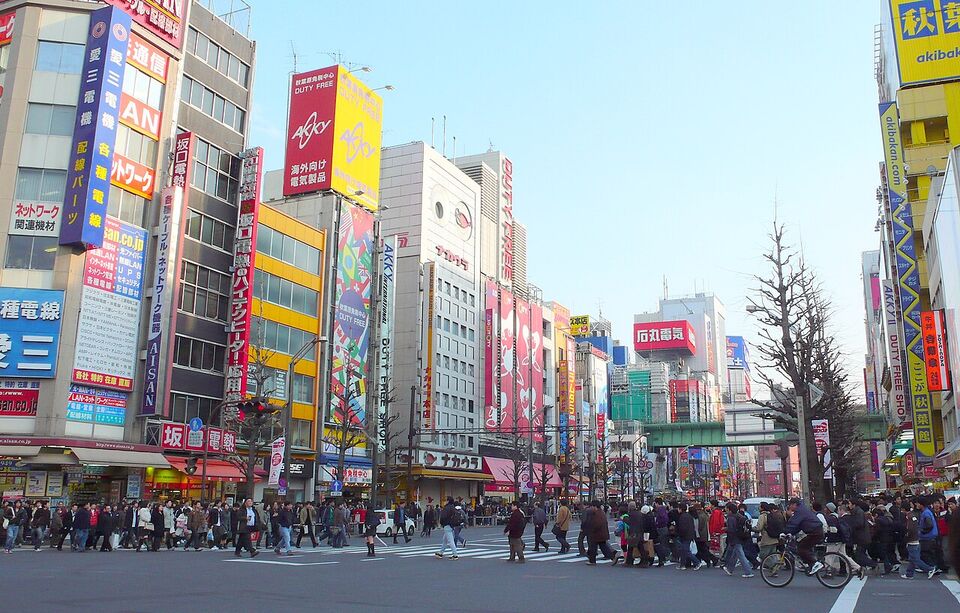
These three Tokyo districts overlap on the Yamanote and Chuo lines and can fill a day each. Compare them as follows.
Akihabara
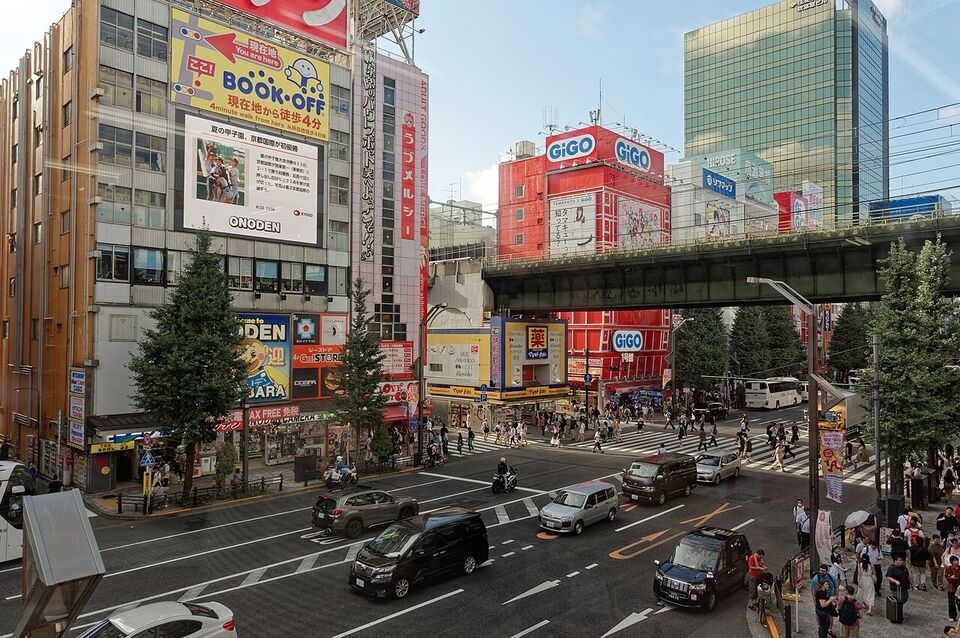
Electronics, retro games, figures and card games along Chuo Dori. Radio Kaikan holds more than 30 hobby shops, Super Potato specializes in used retro consoles and games, and Mandarake sells pre-owned manga and toys. Yodobashi Camera by the station is a huge general store. On Sundays Chuo Dori closes to cars in the afternoon.
Nakano Broadway
A shopping complex up the covered Nakano Sunmall arcade, with a dozen or more Mandarake stores and small shops for vintage anime, idol goods and collectibles on the upper floors. It is quieter and more specialized than Akihabara. Many stores keep their own hours, and some close on Wednesdays.
Ikebukuro (Otome Road)
The area east of Sunshine City is known for stores that sell goods aimed at women who read manga and watch anime, and for butler cafes. The Pokemon Center and Sunshine City's shops sit nearby. Hours vary, so check each shop.
All three are walkable and have English signs in the larger shops. Smaller shops have prices on tags, and you can pay with a card at larger chains, but some small sellers in Nakano accept only cash. Carry ¥10,000 (about $64) or so in cash; see the money guide.
Tax-free shopping
Many stores in these districts offer tax-free shopping, but the system changed on November 1, 2026. You now pay the full tax-inclusive price at the register (10%, or 8% on food) and claim the refund when you leave Japan. The minimum is ¥5,000 (about $32) before tax per store per day. Goods must leave Japan with you within 90 days of purchase. Show your passport at the tax-free terminal in the departure hall before you check your bags, or start the process on Visit Japan Web. Each receipt is checked as a whole, so keep items from one receipt together. See our shopping and bringing things home guide for the full process.
Watch out
Electronics made for Japan may not work at home. Consoles and gadgets sold for the Japanese market can be region-locked or have Japanese-only menus, and power plugs are Type A at 100 V, so check the model before you buy. Cards and figures can also be fakes: buy from established stores and check condition labels. Batteries and some collectibles have airline limits in carry-on bags.
Arcades, purikura and capsule toys
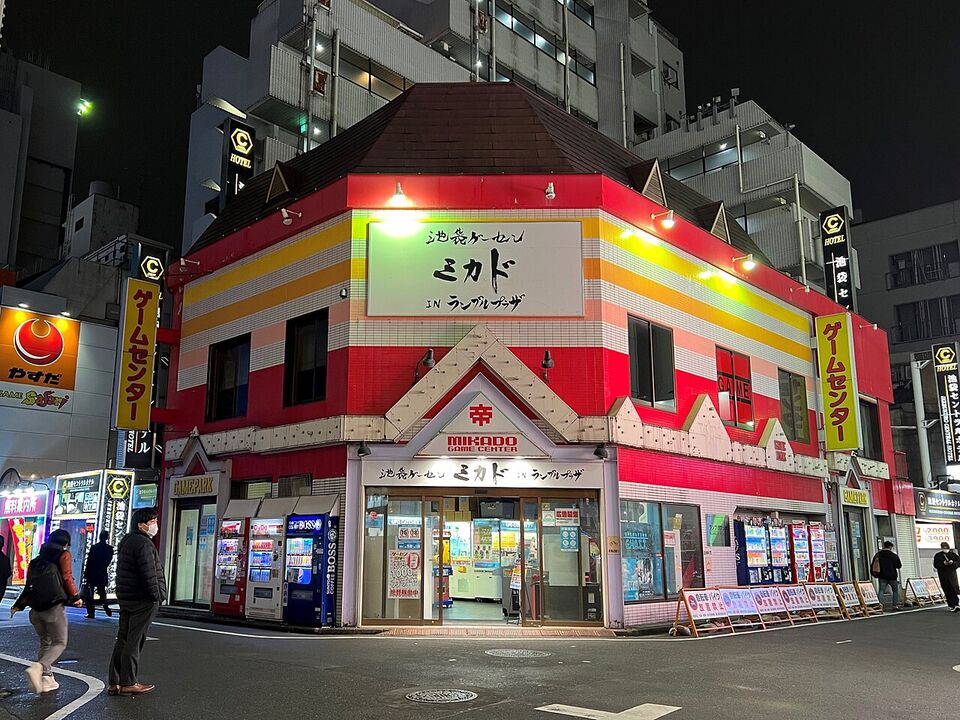
Game centers are everywhere in Japan, often several floors in a Tokyo shopping district. Crane games and music rhythm games take ¥100 coins (under $1), and fighting games and card machines may require a local game card. Change machines accept ¥1,000 (about $6) bills. Staff will often reset a crane prize if you ask politely, but do not expect it. Smoking floors exist in some arcades; look for the signage. In many areas, under-18s are barred late in the evening.
Purikura are photo booths where you pose and then decorate the pictures on a screen. Many booths in Tokyo (Harajuku, Shibuya) are meant for groups of girls or couples, and some do not admit groups of only men; booths marked as open to everyone exist. A session is a few hundred yen to about ¥1,000 (about $6) per person, and you can download the photos to a phone through a QR code.
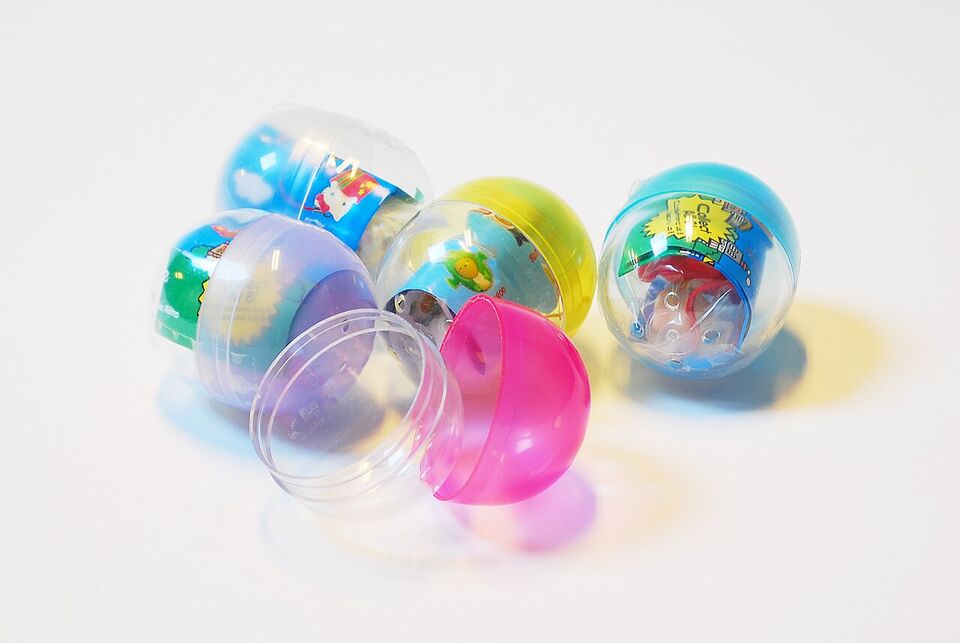
Gashapon (capsule toys) are the small prizes from coin machines. Prices run from about ¥300 to ¥500 (about $2 to $3) or more per capsule for the more elaborate series, so carry coins. Whole rooms in places like Tokyo Station, Akihabara and Osaka's Den Den Town are filled with them. Machines accept coins only in most cases. For souvenirs, see the shopping guide.
Sanrio Puroland and the Gundam statue
Sanrio Puroland is an indoor theme park for the Hello Kitty characters in Tama Center, west of Tokyo, roughly 35 to 45 minutes from Shinjuku on the Keio or Odakyu line. It has live shows, a boat ride and character greetings. It is aimed at families and fans. Ticket prices change by date, with the lowest on quiet weekdays. We could not open the official price page for this guide, so check the park's site and buy dated tickets ahead for weekends and holidays.
In Odaiba, a life-size Unicorn Gundam statue has stood outside the DiverCity Tokyo Plaza mall, which also has a Gundam store. As the display and the shop hours are managed by the mall, verify that the statue and its lighting shows are operating when you plan your visit. Odaiba is a short ride on the Yurikamome line from Shimbashi, and it fits with teamLab Planets in Toyosu on the same day: see our Tokyo sights guide.
Maid cafes
In a maid cafe, staff in maid costumes serve food, play games and take part in short rituals with guests. Akihabara has many. The cafes are family-friendly in the main and are not adult venues, though a few unrelated businesses use the same costumes, so choose a cafe by its reputation and posted prices. Typical rules:
- Most charge a seating fee and often require one drink or food order per person, with a time limit.
- Photos of the staff are usually not allowed unless you buy a paid photo (a Polaroid-style cheki); photograph only your food and your own group, and ask first.
- Be polite, do not ask staff for contact details or follow them outside, and obey the cafe's rules.
- Be wary of street touts in Akihabara. A friendly invitation on the pavement can lead to a place with steep, hidden charges. Look at the menu and fees before you enter.
@Home Cafe is known for English-speaking staff. Read more about restaurant manners in the etiquette guide.
Events: Comiket and Tokyo Game Show
Comiket
Comic Market (Comiket) is a twice-yearly fan convention at Tokyo Big Sight, and most of what is sold is made by individuals and small groups. The next one, Comiket 109 (C109), runs December 29-31, 2026, and Comiket 110 follows on August 14-15, 2027, according to the organizer. Visitors can attend, but entry is not simply walk-in: the organizer said general-admission details for C109 would be released in early November 2026, so check comiket.co.jp for the current wristband or catalog rules and prices. The organizer publishes a page for overseas attendees, which we could not read to confirm prices.
Comiket draws huge crowds, with lines that last hours, and the winter event takes place in cold weather around New Year, when many other things are closed; see the holidays section in our festivals guide. Dress in layers, bring cash and drinks, and follow the staff's queue instructions. Do not camp out the night before or arrive before the posted time, because that is against the rules. If you cosplay, there are designated changing areas and rules on costumes and props.
Tokyo Game Show
Tokyo Game Show is held each September at Makuhari Messe in Chiba, with business days first and public days on the weekend. The 2026 show was a five-day event on September 17-21, with public days September 19-21. The organizer had not posted 2027 dates when we checked in November 2026, so look for them at tgs.cesa.or.jp. Public-day tickets are sold in advance online.
J-pop and concert tickets for foreigners
Seeing a Japanese artist live is possible, but not simple. Most popular acts sell tickets through fan clubs or lotteries (chusen), with results days later. Many sales sites and payments require a Japanese address or phone number, and some tickets can be picked up only at a convenience store. At the venue, many shows check ID against the name on the ticket. Some artists and venues have English or international pages, and Lawson Ticket and similar services have English interfaces for a limited set of events.
Japan restricts the resale of tickets for profit, and reputable official resale services exist for people who cannot attend. Avoid social media sellers. For a first show, an easier route is a smaller venue, a festival with English sales, or an idol or vocaloid event that sells to overseas fans. Check the artist's official site and use a Japanese friend or a booking service if the fan club needs one. A tour of Tokyo venues can also follow our phrases guide for basic words.
Different from home
US fans can often buy a ticket the day of a show. In Japan, the popular ones sell out through lotteries months ahead, and the ticket carries a name. Treat any "guaranteed ticket" offer from a stranger as a likely scam.
A sample five-day fan itinerary
- Day 1
Akihabara
Start at Radio Kaikan, then Super Potato for retro games and Mandarake for collectibles. Lunch at a chain restaurant, then arcades. Add a maid cafe only if you have researched the fees.
- Day 2
Ghibli Museum and Kichijoji
Take the timed entry you booked, then walk through Inokashira Park and Kichijoji's shops. Travel by JR Chuo line; see getting around.
- Day 3
Ikebukuro and Nakano
Morning at Sunshine City and Otome Road. Afternoon at Nakano Broadway, where shops open around noon.
- Day 4
Odaiba and Toyosu
Gundam in Odaiba, then teamLab Planets in Toyosu if you booked, or a gashapon room at Tokyo Station.
- Day trip
Uji and Kyoto, or Aichi
Nintendo Museum in Uji if you won a lottery, then Kyoto. Or Ghibli Park from Nagoya for the full day.
Add it to a route in the trip builder, or ask us to plan the hotels, trains and guides for you.