The short answer
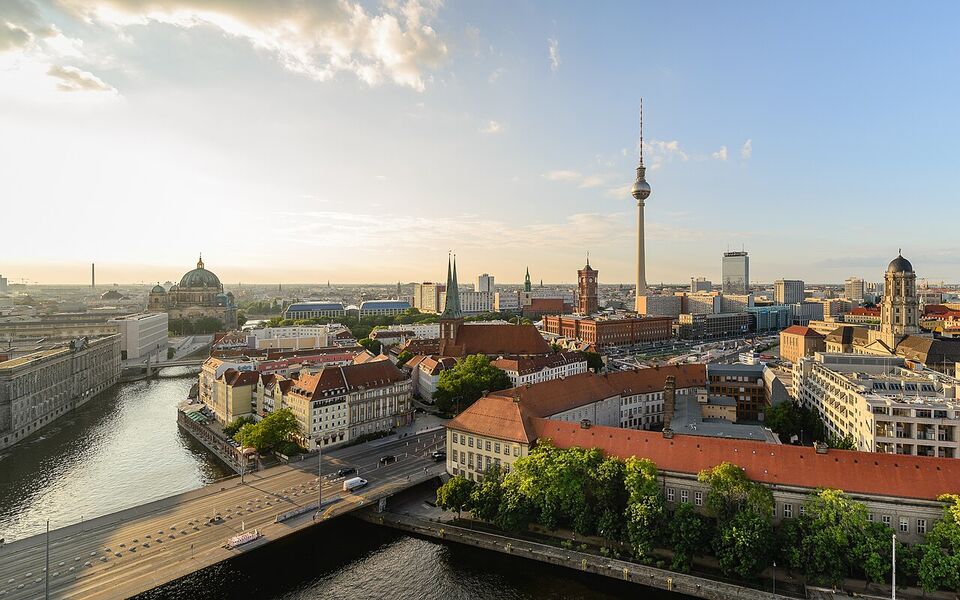
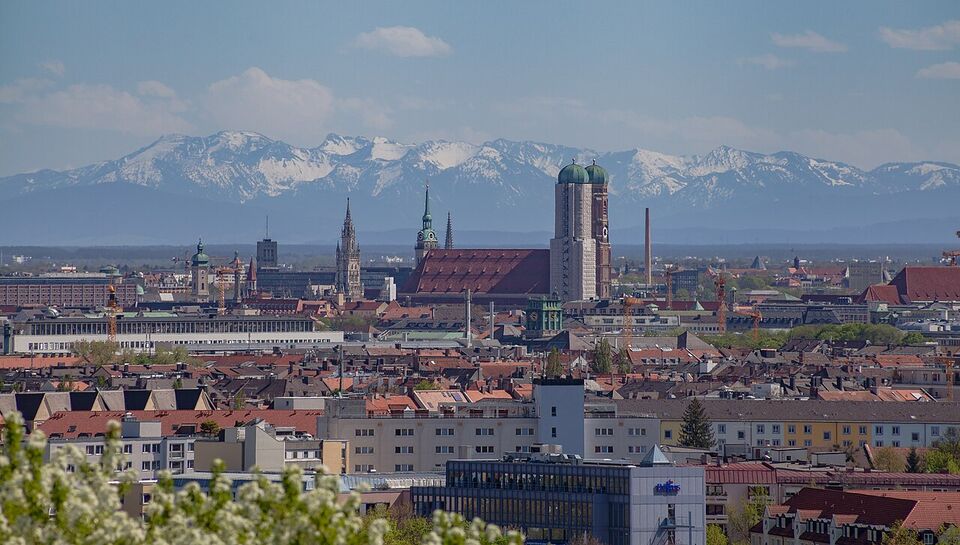
If you only have time for one city on a first trip, here is a plain rule: pick Berlin for history, culture and big-city energy; pick Munich for Bavarian tradition, beer, palaces and the Alps. They feel like two different countries. Berlin is spread out, creative and rough around the edges, and the sights are mostly about the 20th century. Munich is compact, polished and prosperous, with a baroque old town and a short train ride to the mountains.
If you have a week or more, do both. The direct train takes about 4 to 4.5 hours, and the combination gives a fair picture of Germany. Below we compare them side by side, then give a verdict for each type of traveler, and finally explain how to link the two. For the full guides, see Berlin and Munich.
Side by side
| Berlin | Munich | |
|---|---|---|
| Feel | Large, informal, many separate neighborhoods | Compact, tidy, traditional, wealthy |
| Best for | 20th-century history, museums, nightlife, street art | Beer halls and gardens, palaces, Alps, day trips |
| Main sights | Museum Island, Brandenburg Gate, Reichstag, Berlin Wall sites | Marienplatz, Residenz, Nymphenburg, English Garden, Deutsches Museum |
| Day trips | Potsdam, Dresden, Sachsenhausen memorial | Neuschwanstein, Salzburg, Nuremberg, Alps |
| Single transit ticket | €4.00 (about $4.50), zones AB | €4.20 (about $4.70), zone M |
| Day ticket | €11.20 (about $12.50), zones AB | €10.10 (about $11), zone M |
| Hotel overnight tax | 7.5% of the net price | None |
| January high/low | 38°F / 28°F (3°C / -2°C) | 39°F / 29°F (4°C / -2°C) |
| July high/low | 77°F / 57°F (25°C / 14°C) | 77°F / 58°F (25°C / 15°C) |
| Nonstop flights from the US | Few or none this winter | Many (hub of Lufthansa and partners) |
| Signature event | Berlinale film festival (February 10-21, 2027) | Oktoberfest (September 18 to October 3, 2027) |
The temperatures are 1991-2020 averages and are almost identical. Rain-day counts are measured with different thresholds for the two cities, so we don't compare them. The practical difference is the mountains: Munich is much closer to snow in winter and to hiking in summer.
What each city is like
Berlin
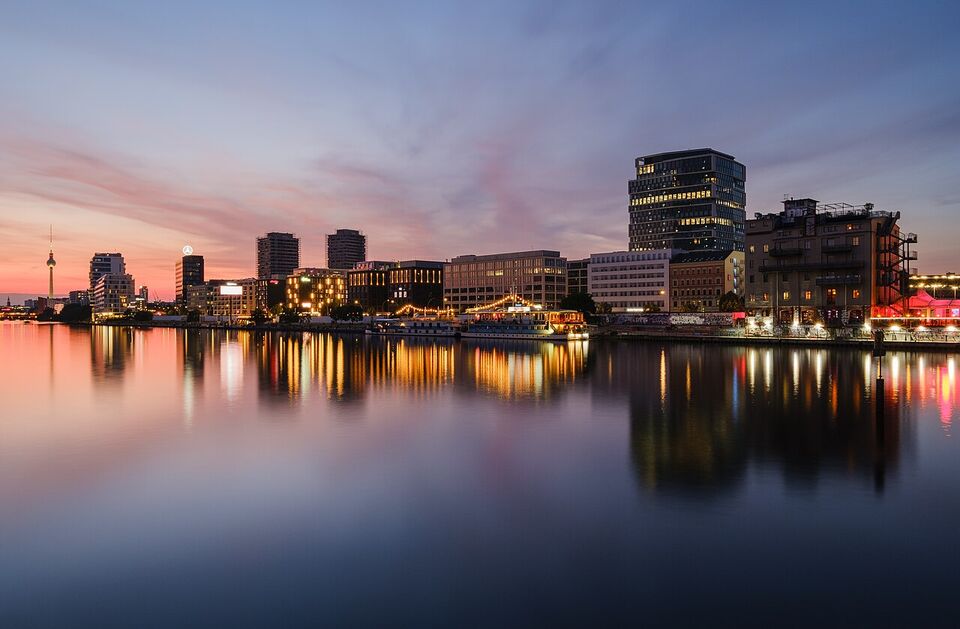
Berlin is Germany's capital and largest city, with about 3.7 million people. It is spread over a large area, and no single center holds everything, so you move between neighborhoods by U-Bahn, S-Bahn and tram. Much of its character comes from its recent history: the Nazi era, the Cold War division, the Wall and reunification. It is easy to find a bar open at 3 a.m., a flea market on Sunday or a gallery in an old factory. The city can feel rough in places, and service is more casual than in Munich. For a first-timer, this is part of its appeal.
Munich
Munich is the capital of Bavaria and Germany's third-largest city. It is wealthy, organized and clean, and the old town is compact enough to cover on foot. Sundays are quiet, and beer gardens fill up on warm evenings. The traditions here (the clothes, the beer, the food, the Catholic churches) are what many Americans picture when they think of Germany, and they are real rather than staged for visitors, though some are more visible in September. The city is also very close to the Alps and to castles.
Sights and culture
Berlin's strength is museums and memorials. Museum Island holds several major museums in one complex, and the Pergamon Museum, closed for long renovation, is due to reopen on June 4, 2027 (the museum's press release; its ticket page says July 4, so check before you book; prices for 2027 are not yet announced). Other major sites include the Brandenburg Gate, the Reichstag with its glass dome, the East Side Gallery and the Berlin Wall memorial. For a full guide, see Berlin Sights.
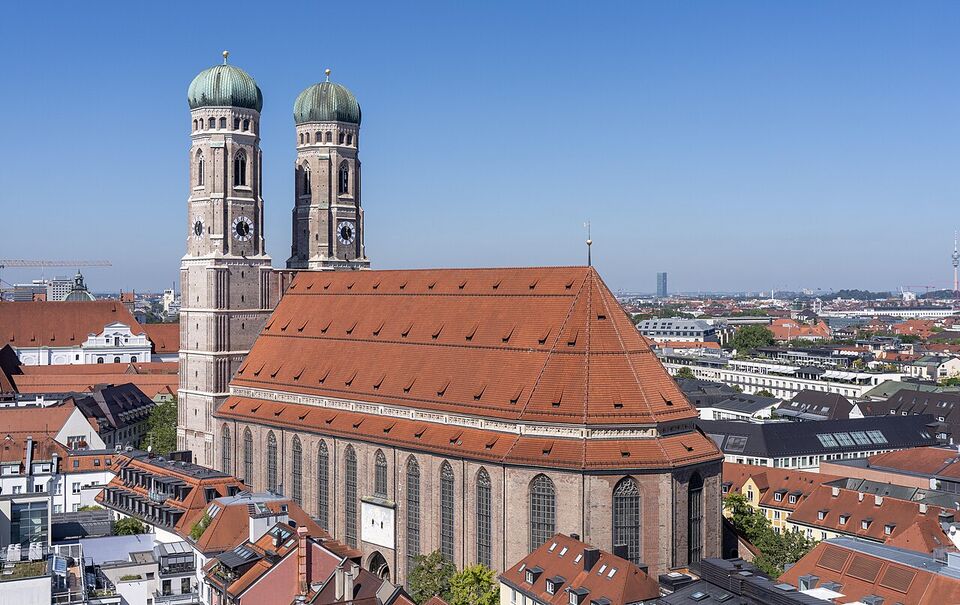
Munich's strength is royal and religious architecture and a few big museums. The Residenz, Nymphenburg Palace and the Frauenkirche tell Bavarian history; the Deutsches Museum is one of the largest science and technology museums in the world; and the Pinakotheks hold European painting (though the Neue Pinakothek is closed for renovation). The nearby Dachau memorial is free and sobering. See Munich Sights.
For history, we suggest Berlin: more of the 20th century is visible there. For palaces, churches and a traditional old town, Munich is stronger. Both are good for art, but their strengths are different: Berlin for modern and contemporary art and the museum complex; Munich for old masters and design.
Food and beer
Munich is the city for classic Bavarian food: roast pork with dumplings, white sausage, pretzels and a Helles lager in a beer garden. A beer hall like the Hofbräuhaus is touristy but easy. Beer is part of the city's identity, and rules like the bring-your-own-food tradition in beer gardens are unique to Bavaria (see Munich).
Berlin is more varied and informal. It has a strong immigrant food scene, especially Turkish (the doner kebab sandwich is a local institution), Vietnamese and Middle Eastern, plus the local currywurst. Its beer culture is more casual, with a mix of pilsners, craft beer and a local wheat-beer style. For more on what to eat in Berlin, see Food and Drink in Berlin, and for German food in general German Food and Beer and Wine in Germany.
Costs
In general, Berlin is the cheaper city for hotels, restaurants and nightlife, and Munich the more expensive. We cannot give a fixed ratio, because prices depend on season, events and the room, but expect a gap that grows during Oktoberfest and trade fairs in Munich. Public transport costs are similar: €4.00 for a Berlin single (zones AB) and €4.20 for a Munich single (zone M), and day tickets are €11.20 and €10.10. Airport trips cost more in both cities (Berlin's BER airport needs an ABC ticket at €5.00, about $5.60).
Taxes differ. Berlin charges an overnight tax (Übernachtungsteuer) of 7.5% of the net room price, for tourists and business travelers alike. Munich has no overnight tax as of November 2026. Because the tax is on the net price, the effect is about 7.5% on top of the room rate, so check whether your booking shows it. A cost-saving idea: look at the budget page for daily-cost estimates, and use the money page for cards and cash.
Save money
Avoid Munich during Oktoberfest and major trade fairs if you want a normal room rate, and consider Berlin in the same weeks. In Berlin, the 4-trip ticket (€12.40, about $14) is cheaper per ride than singles, but you cannot use it for round trips on one ticket, and each trip is valid for 120 minutes in one direction.
Getting there from the US
Munich is the easier city to reach. It is a Lufthansa hub, with many nonstop flights from the US and Canada, and a train from the airport reaches the center in about 35 minutes. Berlin's airport (BER) had no US routes listed in its winter 2026-27 schedule release, so most Americans connect through Frankfurt, Munich or another European hub. BER's Flughafen-Express train now reaches the Hauptbahnhof in about 23 minutes, and the S9 takes about 40 minutes from Alexanderplatz.
Flights change often, so check your own routes. For tips on airlines, jet lag and the arrival process, see Flights to Germany and Entry Requirements for Americans. The easiest plan for two cities is an open-jaw ticket, flying into one and out of the other, which avoids backtracking.
Day trips
Munich is the better base for day trips. Neuschwanstein is about 2 hours away by train and bus, Salzburg is about 1.5 hours, Nuremberg about 1 hour 10 minutes, and the Alps start an hour or two away. See Neuschwanstein Castle and The Bavarian Alps.
Berlin's trips are good but less dramatic: Potsdam (Sanssouci Palace and parks), Dresden (about 2 hours) and the Sachsenhausen memorial. See Day Trips from Berlin and Dresden and Saxony. For most travelers, the point of Berlin is Berlin itself, not what's around it.
Weather and when to go
The two cities have similar temperatures through the year, as the table shows. Both are cold and gray in winter and pleasant in summer. In January the average high is 38°F (3°C) in Berlin and 39°F (4°C) in Munich. In July, both average about 77°F (25°C).
The deciding factors are events and the season. Beer gardens work best from May to September, Oktoberfest runs September 18 to October 3, 2027, and both cities have Christmas markets from late November (see Christmas Markets in Germany). Berlin hosts the Berlinale film festival (February 10-21, 2027) and a free New Year's Eve party at the Brandenburg Gate is planned again for 2026-27. See When to Go to Germany for the month-by-month view.
Verdict by traveler type
First-time visitors
Munich is easier to navigate and delivers the Germany many Americans expect: a pretty old town, beer and castles. Berlin is a bigger, more challenging city that rewards a second visit or a longer first trip.
History lovers
For the Nazi era, the Cold War and reunification, Berlin has more to see. Add Dachau in Munich if you can do both.
Art and museum fans
Museum Island gives Berlin the edge in variety, but the Pergamon Museum reopens only on June 4, 2027. Munich's Alte Pinakothek and Pinakothek der Moderne are strong, though the Neue Pinakothek is closed.
Families with kids
Parks, the Deutsches Museum, BMW Welt and easy trips to castles make it easier. Berlin has plenty for children too, but distances are longer.
Nightlife and food variety
Berlin's bars and clubs stay open later, and its restaurant scene is more varied and informal. Munich's evenings center on beer halls and restaurants.
Beer, tradition and scenery
Beer gardens, Oktoberfest, Bavarian food and the Alps within an hour or two make Munich the traditional pick.
Budget travelers
Berlin is usually the cheaper of the two, but check hotel prices for your dates. Munich can be done on a budget outside the festival season by staying near the Hauptbahnhof.
How to do both: Berlin and Munich by train
The direct ICE (fast train) from Berlin to Munich takes about 4 to 4.5 hours. It is a comfortable, scenic day: you have a seat, a power outlet and often a dining car. The line runs via Halle/Leipzig, Erfurt and Nuremberg and is not affected by the closure of the Hannover-Berlin line (until December 2027). Flights between the two cities are shorter on paper, but airport time makes them about equal door to door, and the train is better value.
- Tickets: a Sparpreis (advance fare) is cheapest and can be very low if you book early, with a fixed train. A Flexpreis lets you take any train that day and costs much more. Check the DB Navigator app or bahn.de. See German Train Tickets and Passes.
- Seat reservation: a seat reservation is extra, about €5.50 (about $6) in second class unless it is included in your fare, and worth it on busy days.
- Families: Deutsche Bahn has introduced a permanent family ticket at €99.99 for long-distance travel for up to five people; check the conditions on bahn.de before you rely on it.
- Delays: long-distance trains are often late (by DB's own count, about 56% of long-distance trains ran on time in October 2026, a preliminary figure), so don't schedule a tight connection for a flight on the same day.
- Days 1-3
Berlin
Museum Island, the Brandenburg Gate and Reichstag, the Wall memorial and a neighborhood evening. See Berlin.
- Day 4
Train to Munich
Take a morning ICE (about 4 to 4.5 hours), check in and spend the evening at a beer hall near Marienplatz.
- Days 5-7
Munich and a day trip
The old town, the Residenz and the English Garden, then Neuschwanstein or Salzburg. See Munich.
For a one-week trip, three days in each city plus the train day works well. Start in Berlin if you fly in via Frankfurt, or in Munich if you land there, and finish where your return flight leaves. For more route ideas across the country, see Plan Your Trip to Germany.
Add it to a route in the trip builder, or ask us to plan the hotels, trains and guides for you.