
Entry and documents
Do I need a visa for Germany?
No. With a valid US passport you can visit Germany as a tourist for up to 90 days in any 180-day period without a visa. The allowance is shared with the rest of the Schengen area, so days in Austria, France, Italy or Poland count toward the same 90. See Entry Requirements for Americans.
Is ETIAS required for Germany?
Not yet. ETIAS, the EU's planned online travel authorization, is not in operation and no start date has been announced; the EU says it will give several months' notice. When it starts it will cost €20 (about $22) for travelers aged 18 to 70. Check travel-europe.europa.eu before you go, and ignore look-alike sites that charge for an authorization that does not exist yet. See Entry Requirements for Americans.
How long must my passport be valid for Germany?
It must be valid for at least 3 months after the day you plan to leave the Schengen area, and it must have been issued within the previous 10 years. The State Department says the rule is strictly enforced and suggests two blank pages. Count from your departure date, not your arrival, and bring the passport book: the US passport card does not work for flights. See Entry Requirements for Americans.
What is the Entry/Exit System, and will it slow me down?
The EU's Entry/Exit System (EES) has been fully operational since April 10, 2026. It replaces passport stamps: on your first entry you are photographed and fingerprinted at the border, and later visits are quicker. Lines at big airports have been long at peak times, so allow at least 90 minutes if you connect onward within Schengen, and avoid a rigid, non-refundable train ticket for the hour after you land. See Entry Requirements for Americans and Flights to Germany.
Can I bring cheese, sausage or snacks from the US?
Meat, milk and anything made from them, including sausage, jerky and cheese, are generally banned from non-EU countries. Bread, cookies, chocolate and sweets without a meat or dairy filling have no quantity limit. If you are unsure, leave it at home, because rule-breaking items must be declared or surrendered and fines are possible. See Entry Requirements for Americans.
Do I need my passport for a day trip to a neighboring country?
Yes, carry the passport itself, not a photocopy. Germany has had temporary checks on all its land borders since September 2024, and the latest reported extension runs to about March 2027 (we have not seen the official notice). Checks are random and usually take a minute, but officers can board trains and stop cars. See Germany and Its Neighbors and Entry Requirements for Americans.
Money and costs
Do I need cash in Germany?
A little. Hotels, supermarkets, museums, trains and most chain restaurants take cards, usually by tap, but Germany is still a cash country in pockets: small family bakeries, Christmas market stalls, some beer garden counters and village inns. No German law forces businesses to accept cards today, and a plan for a duty to offer a digital option from 2027 is not yet law. Carry €50 to €100 (about $56 to $112), and test your Visa or Mastercard debit card early in the trip. See Money in Germany.
What is the best way to get euros?
Use a bank-branded ATM (Sparkasse, Volksbank, Deutsche Bank, Commerzbank and similar) with a debit card that has low foreign fees. If the machine asks whether to charge you in dollars or euros, always choose euros. Avoid airport exchange desks and standalone Euronet or Travelex machines, which show a fee on screen and push poor conversion rates. See Money in Germany.
How much should I tip in Germany?
Round up or add about 5 to 10% in a sit-down restaurant; a 2026 survey reported by The Local found just over half of Germans tip 5 to 10%. Say the total you want to pay when the server brings the bill or before the card is run, for example "Machen Sie 20" on an €18.50 bill. The menu price already includes service, so 18 to 20% would be unusually large, though leaving nothing in a restaurant looks rude. See Money in Germany and German Etiquette.
Are stores open on Sunday in Germany?
Almost never. Shops are closed on Sundays and public holidays in all 16 states, though each state sets its own rules. Shops in the big train stations and airports may open, gas stations sell snacks, and restaurants, cafes and museums are usually open. Each state also allows a few special shopping Sundays a year, so do your grocery run on Saturday. See Money in Germany.
Can Americans get a VAT refund in Germany?
Yes, if you live outside the EU. The purchase must be over €50 (about $56) on one receipt, you carry the goods home in your luggage, and you get the form stamped by customs where you leave the EU; a refund company then keeps a fee. Shipped goods, hotels, meals and transport do not qualify. The refund pays off mainly on bigger purchases. See Shopping and Shipping Home and Money in Germany.
How much does a day in Germany cost?
Our rough 2026 estimates per person, sharing a room and not counting flights, are €80 to €110 (about $90 to $123) on a budget, €170 to €250 (about $190 to $280) mid-range and €350 or more (about $390) for comfort. Prices are higher in Munich, Frankfurt and Hamburg than in Leipzig or Dresden, and they jump during Christmas markets and Oktoberfest. These are guides, not quotes. See Money in Germany and Plan Your Trip to Germany.
Getting there and trains
Which airport should I fly into, and how long is the flight?
Frankfurt has the most US nonstops and the best rail links, so it suits most trips; fly into Munich for Bavaria and the Alps. Berlin has far fewer US routes, and its own winter 2026/27 schedule lists none, so check before you plan around it. Flights run about 7.5 to 8.5 hours from New York eastbound and 10 to 11.5 hours from the West Coast. See Flights to Germany.
Is the Deutschlandticket worth it for tourists?
Only if you will ride a lot of regional trains, S-Bahn and city transit in one calendar month. It costs €63 (about $71) in 2026 and rises to €66.80 (about $75) from January 1, 2027, according to Deutsche Bahn's own Deutschland-Ticket page. It does not cover ICE, IC or EC trains, and it is a monthly subscription that renews until you cancel, so set a reminder. For a trip of a few big cities with long ICE legs, day tickets and saver fares win. See German Train Tickets and Passes.
What is the cheapest way to buy German train tickets?
Book a Sparpreis or Super Sparpreis on bahn.de or in the DB Navigator app as early as you can; Deutsche Bahn advertises Sparpreis fares from €6.99 (about $8), though that is not a typical long-distance price. These are tied to one train, while a Flexpreis lets you take any train for much more. Sales open up to about six months ahead. See German Train Tickets and Passes.
Do I need to reserve a seat on a German train?
Not on most trains, and unreserved seats are free. A reservation costs about €5.50 (about $6) one way in 2nd class, according to a third-party site, so check the price when you book. It is worth it on Friday afternoons, Sunday evenings, holidays and Christmas-market weekends, when ICE trains run full. See Getting Around Germany.
How do I get money back for a delayed train?
If you reach your final destination 60 to 119 minutes late you can claim 25% of the fare, and 50% at 120 minutes or more. File the passenger-rights (Fahrgastrechte) form on bahn.de, in the DB Navigator app or at a DB travel center. Deutsche Bahn's long-distance trains were on time only about 52% to 64% of the time in each month of 2026 through October, so leave buffer on connections. See Getting Around Germany.
Driving
Can I drive in Germany with a US license?
Yes. A valid US license lets visitors drive and rent a car, and new residents can use it for six months after arriving. Carry your passport, the rental contract and insurance papers, and expect random border checks. Rental companies typically want drivers aged 21 or older, with a surcharge under 25, but the exact rules vary by company. See Driving in Germany.
Do I need an International Driving Permit in Germany?
Not by law for visitors with a US license, as far as the sources we found say, but some rental companies ask for one. It costs about $20 from AAA and must be bought before you leave the US, so it is cheap insurance. Ask your rental company at booking. See Driving in Germany.
Is there a speed limit on the Autobahn?
There is no general limit, but 130 km/h (81 mph) is the advised speed, and many stretches have posted limits that a sign always overrides. Keep right and use the left lane only to pass, never pass on the right, and check your mirror twice before pulling out, since a car behind may be going 200 km/h (124 mph) or more. Outside towns the limit is 100 km/h (62 mph), and in towns it is 50 km/h (31 mph). See Driving in Germany.
How much does gas cost in Germany?
ADAC's national average for October 2026 was €2.114 per liter for Super E10 (about $9 per US gallon) and €2.261 for diesel. Prices were lower than in September because of a fuel-tax discount that runs to the end of 2026, and they may rise when it ends. Passenger cars pay no toll on German Autobahns. See Driving in Germany.
What is the drink-driving limit in Germany?
0.05% blood alcohol (0.5 per mille), lower than the 0.08% limit in most US states. It is 0.0 for drivers under 21 and in the first two years of a license, and lower levels can still lead to charges if you drive badly. Winter brings its own rule: tires with the Alpine (snowflake) symbol are required in snow, ice or slush, and rental cars normally comply. See Driving in Germany.
When to go, Christmas markets and Oktoberfest
What is the best time to visit Germany?
May, June and September are the easiest months, with mild weather, long days and everything open. January to March and early November are the cheapest, with the shortest lines. December is the best month if the Christmas markets are the point of the trip, and September is the month for Oktoberfest. See When to Go to Germany.
When do the Christmas markets open in 2026?
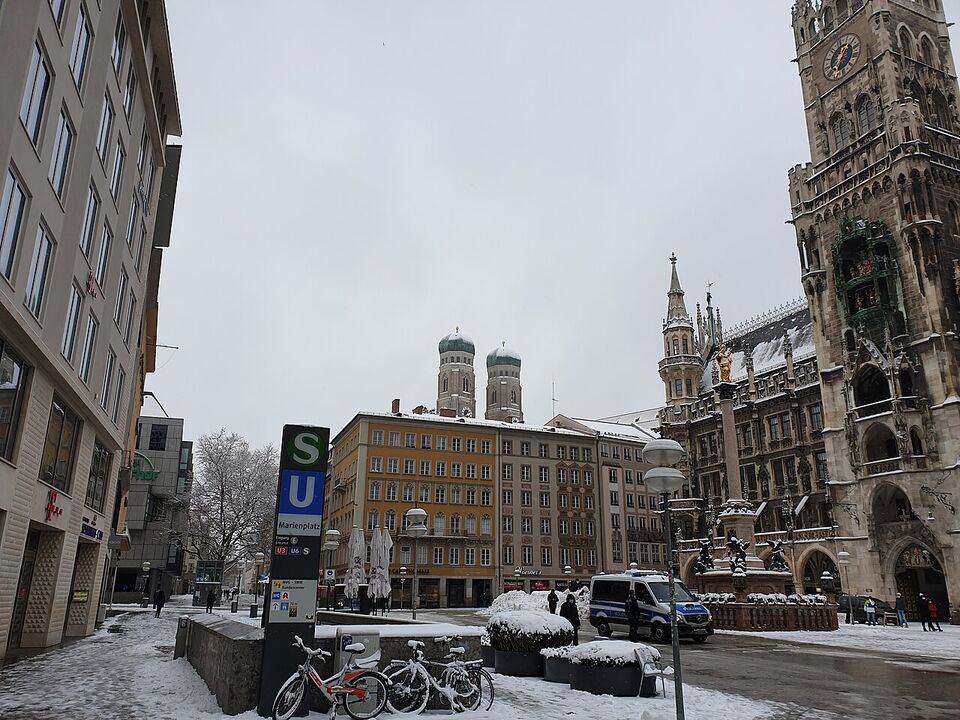
The first open in mid-November: Berlin's Breitscheidplatz market on November 13 and Cologne's cathedral market on November 16, then Munich's Marienplatz market and Rothenburg on November 20. Most of Berlin's other main markets open November 23, Dresden's Striezelmarkt and Stuttgart on November 25, and Nuremberg's Christkindlesmarkt on November 27. Most close on December 22 or 23, and the first Advent weekend, November 28-29, is among the most crowded. See Christmas Markets in Germany and Germany in November.
Are the Christmas markets open on December 24 and 25?
Only a few are open on Christmas Eve, and only in the morning: Nuremberg, Munich's Marienplatz and Dresden, from 10 a.m. to 2 p.m. Almost all are closed on December 25 and 26. Shops close at about 2 p.m. on December 24 and stay shut on December 25, 26 and Sunday, December 27, so plan meals and groceries ahead. See Germany in December and Christmas Markets in Germany.
When is Oktoberfest 2027?
Saturday, September 18 to Sunday, October 3, 2027, the 192nd Oktoberfest, on the Theresienwiese in Munich. The mayor taps the first keg at noon on opening day. Entry to the grounds and tents is free. In 2026 a one-liter Maß cost €14.80 to €15.90 (about $17 to $18), and the 2027 price will be announced in summer 2027. See Oktoberfest.
Do I need a reservation for Oktoberfest?
No, but it helps on weekends and evenings. Large tents must keep part of their seats unreserved, about 25% on weekdays, so a weekday morning is the easiest time to find a seat. A reservation is free but covers a whole table of 8 to 10 people, with prepaid vouchers of roughly €350 to €400 (about $390 to $450); you book through each tent, usually from spring. Hotels fill months ahead, so book 6 to 9 months out with free cancellation. See Oktoberfest and Where to Stay in Germany.
Food, beer and etiquette
What is typical German food?
Sausages, pork roasts, schnitzel, dumplings, potato dishes, rye bread and cake are the classics, but menus change sharply by region. Bavaria has Weisswurst and roast pork knuckle, Swabia has Spätzle and Maultaschen, and the north eats more fish. White asparagus season runs from about mid-April to June 24. See German Food.
Is Germany good for vegetarians and vegans?
Yes, especially in cities, where vegetarian and vegan restaurants and supermarket ranges are easy to find. Traditional inns are harder: soups, Spätzle and potato salad often contain bacon, lard or meat broth, so ask before you order. See German Food.
Can I drink beer in public, and what is the drinking age?
Adults can drink in public in most places, and carrying a beer while you walk is normal, though some cities, transit systems and events have local alcohol bans, so look for signs. The legal age is 16 for beer and wine (14 and 15 with a parent or guardian present) and 18 for spirits. A half-liter beer usually costs roughly €4.50 to €6.50 (about $5 to $7.30) in a restaurant. See Beer and Wine in Germany.
What is Pfand, and why was I charged for a bottle?
Pfand is a refundable deposit on drink bottles and cans: €0.25 (about $0.28) on single-use ones, usually €0.15 on reusable bottles and about €0.08 on beer bottles. Put the empties in a return machine (Leergutautomat) at a supermarket, which prints a voucher you hand to the cashier. Christmas market mugs carry a deposit of a few euros, refunded when you return the mug. See Money in Germany and Beer and Wine in Germany.
Do I need to speak German?
No. Many Germans in cities, hotels, restaurants and train stations speak English, though less so in small towns, bakeries and with older people. A few polite phrases such as Guten Tag, bitte and danke still make staff warmer toward you. Use the formal Sie with adult strangers until they offer du. See Useful German Phrases and German Etiquette.
Safety, health and phones
Is Germany safe for American tourists?
Yes, for most visitors. Violent crime against tourists is rare, and the usual problems are pickpocketing at train stations, on transit and at markets, a few street scams and fines for riding without a valid ticket. The State Department rates Germany Level 2, "Exercise increased caution," because of terrorism, the same level as several other Western European countries, so stay alert in crowds and follow police and bag-check instructions. See Is Germany Safe?.
What number do I call in an emergency in Germany?
Call 112 for an ambulance or fire and 110 for the police; both are free and work from any phone. For a doctor outside office hours when it is not life-threatening, call 116117. US citizens can reach the US Embassy in Berlin at +49-30-8305-0, the same number day and night. See Is Germany Safe? and Health and Medical Care.
Is tap water safe to drink in Germany?
Yes. ADAC, citing the federal environment agency, describes German tap water as consistently high quality and among the most closely checked foods. Restaurants rarely serve it free, though, so you will usually order bottled still or sparkling water. See Health and Medical Care.
Does my US health insurance work in Germany?
Usually not. Medicare does not cover care abroad, and most German providers do not take US insurance, so you may pay up front and claim later. Buy travel medical insurance with evacuation cover. If you hike in Bavaria or Baden-Württemberg, ask a travel clinic several weeks ahead about the tick-borne encephalitis vaccine, which is available in the US. See Health and Medical Care.
Will my US phone work in Germany?
Yes, if it is unlocked or your carrier offers international roaming. EU free-roaming rules do not apply to US plans, and a $12-a-day carrier pass adds up on a long trip. A data-only travel eSIM installed before you fly is usually cheaper and needs no ID check, while a German SIM requires your passport and a German contact address. See Phones, Data and Power.
Do I need a plug adapter in Germany?
Yes. Germany uses 230 V at 50 Hz with Type C and F sockets, and US plugs do not fit. A dual-voltage charger (100-240 V) needs only an adapter, while hair dryers and curling irons usually need a converter or a dual-voltage model. See Phones, Data and Power.
Sights, castles and history
How do I get Neuschwanstein tickets?
Book on the official shop, shop.ticket-center-hohenschwangau.de, as soon as your dates are fixed. The castle is visited only on a guided tour at a fixed time: €21 (about $24) for adults, plus €2.50 (about $3) per ticket online, and free for under-18s (the online fee still applies). Same-day tickets at the Ticket Center in Hohenschwangau often sell out by late morning, and tickets cannot be exchanged or cancelled. See Neuschwanstein Castle.
How do I get from Munich to Neuschwanstein?
Take a regional train from the Munich Hauptbahnhof to Füssen (about 2 hours), then bus 73 or 78 to Hohenschwangau (about 10 minutes). From the village you walk uphill (about 40 minutes), or take the shuttle bus or a horse carriage. By car it is about 75 miles (120 km), and you park in the valley lots. Allow 1.5 to 2 hours between reaching Hohenschwangau and your entry time. See Neuschwanstein Castle.
Is Cologne Cathedral free to enter?
Not anymore for sightseeing. Since July 1, 2026 tourist entry costs €12 (about $13), with free entry for children 13 and under and for people attending worship services; the tower is a separate €8 (about $9). A small prayer area by the north entrance stays free. See Cologne.
How do I visit the Reichstag dome?
Entry is free, but you must register online on the Bundestag's website with your name and date of birth, then bring photo ID (ages 16 and up). Some same-day slots may be available at the visitor service on Platz der Republik, subject to capacity. Note that the Pergamonmuseum is closed for renovation; its north wing and central building are due to reopen on June 4, 2027, according to the Berlin State Museums (smb.museum). See Berlin Sights.
Is the Eagle's Nest open?
No. The Kehlsteinhaus near Berchtesgaden was severely damaged by a fire on October 23-24, 2026, and rebuilding has been announced but there is no reopening date. The Obersalzberg Documentation Center nearby is a separate site and remains open. See History Sites in Germany and Castles and Palaces in Germany.
Is it illegal to do the Hitler salute in Germany?
Yes. Using the Hitler salute, swastikas, SS symbols and similar Nazi signs in public is a crime under section 86a of the criminal code, punishable by up to three years in prison or a fine. There is no exception for jokes or photos, and it applies to tourists. See History Sites in Germany and German Etiquette.
Planning help
How many days do I need in Germany?
Seven days is enough for two bases, such as Berlin and Munich with one castle day trip. Ten days adds Dresden and Nuremberg, and two weeks adds Hamburg and Cologne. Plan at least two nights in each base. See Plan Your Trip to Germany and Germany's Destinations.
Is it better to see Germany by train or by car?
Take the train between cities: ICE trains link the big cities in roughly 1 to 5 hours, with no parking or driving stress. Rent a car only for villages, the Romantic Road, the Black Forest or the Moselle, where trains are slow or sparse. Many visitors combine both. See Getting Around Germany and Driving in Germany.
Is Berlin or Munich better for a first trip?
Choose Berlin for 20th-century history, museums and nightlife; choose Munich for a traditional old town, beer halls, palaces and easy trips to the Alps and the castles. If you have a week, do both. They are about 4 to 4.5 hours apart by fast train (check bahn.de for your date), and an open-jaw flight saves backtracking. See Berlin vs Munich.
What should I book months in advance?
Flights, hotels for Oktoberfest and Christmas-market weekends (6 to 9 months ahead for Oktoberfest, with free cancellation) and a rental car if you need an automatic. Book Neuschwanstein tickets and the Reichstag dome registration as soon as your dates are fixed. Cheap saver train fares sell out as the date nears. See Plan Your Trip to Germany and Where to Stay in Germany.
Do German cities charge a hotel tax?
Many do. Berlin charges 7.5% of the net room price, Cologne 5% and Frankfurt €2 per person per night, while Munich has no overnight tax as of November 2026. Rates and exemptions change, so read the total at checkout. See Where to Stay in Germany.