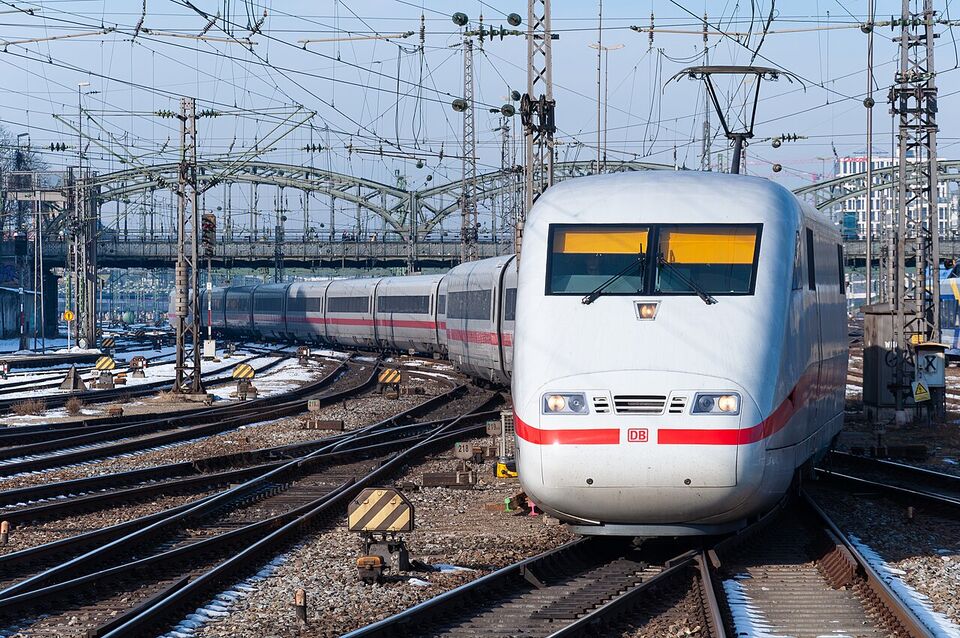
How many days do you need?
Seven days is the shortest trip that feels worth the flight: two bases, one long train ride and one castle day trip. Ten days is the sweet spot for a first visit, and 14 days lets you add the north and the Rhine without rushing. Germany is about the size of Montana, but the best sights are spread across a dozen cities, so the real limit is how many times you can pack a bag.
Count nights, not days. Arrival day after an overnight flight is mostly lost, and your last day is usually spent getting to the airport. A good rule is to stay at least two nights in each base. One-night stops only make sense when the town is on the way to something else, such as Nuremberg between Dresden and Munich.
Fit the trip to the season too. A summer route can lean on Biergärten, river walks and the Alps. A December route should be built around the Christmas markets and short days. Our guide to when to go to Germany covers the months in detail, and the page on Christmas markets lists the dates for each city.
Which cities to pair on a first trip
Most first-time visitors from the US do best with Berlin plus Munich. They are very different cities (see Berlin vs Munich), they are a straight ICE ride apart, and both have direct flights from the US in most seasons. Berlin is for 20th-century history, museums and nightlife. Munich is for Bavarian food, palaces and an easy base for the Alps and Neuschwanstein.
Add stops by theme:
- History and architecture: Dresden (rebuilt Baroque old town) and Nuremberg (medieval walls, Nazi Party Rally Grounds documentation center). See Dresden and Saxony and Nuremberg.
- Storybook towns and castles: Rothenburg ob der Tauber and the Romantic Road, Heidelberg, Neuschwanstein. See the Romantic Road and Heidelberg and the Black Forest.
- River and wine scenery: the Middle Rhine and the Moselle. See the Rhine and Moselle.
- Big-city variety: Hamburg (harbor, Elbphilharmonie), Cologne (cathedral), Frankfurt (usually just an airport stop). See Hamburg, Cologne and Frankfurt.
- Mountains and lakes: Garmisch, Berchtesgaden, Lake Constance. See the Bavarian Alps and Lake Constance.
If you want to try different combinations, the trip builder adds up days and travel times for you.
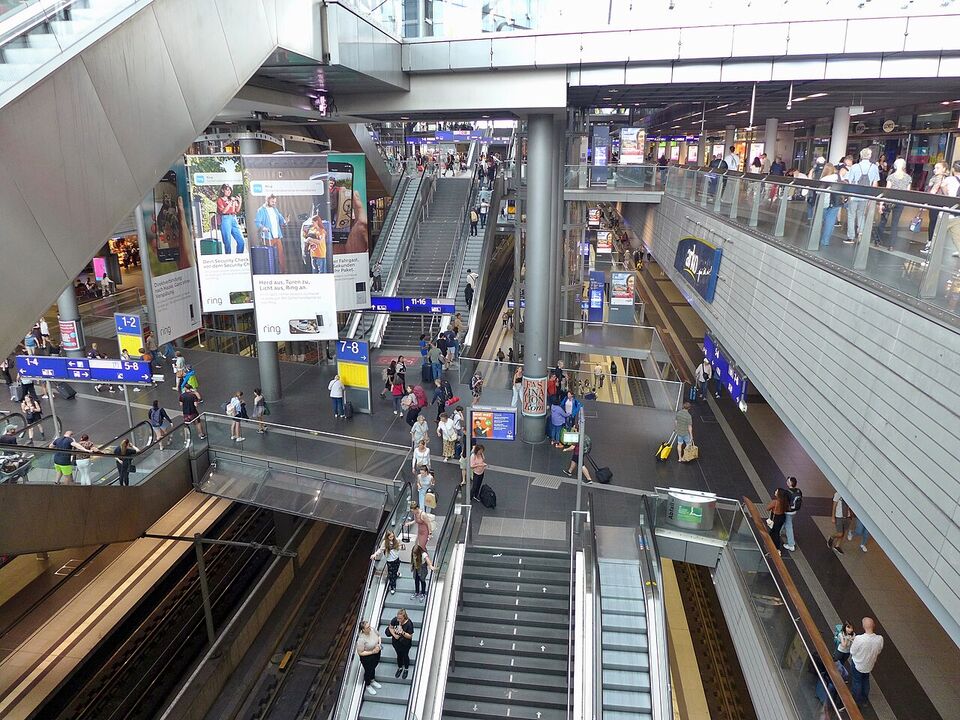
Six sample routes
Train times below are typical ICE or regional times, rounded. Timetables change every December (the next change is December 13, 2026), and construction adds time on some lines, so confirm your own date on bahn.de or in the DB Navigator app before you commit to a connection. Fares and ticket types are explained in our train tickets guide.
1. Seven days: Berlin and Munich, with Neuschwanstein
- Day 1
Arrive in Berlin
From BER airport, the Flughafen-Express (FEX) reaches the Hauptbahnhof (main station) in about 23 minutes. Keep the afternoon light: a walk along Unter den Linden and the Brandenburg Gate, dinner early, bed early.
- Day 2
Government quarter and the Wall
Reichstag dome (free, registration required), the Memorial to the Murdered Jews of Europe, then the Berlin Wall Memorial on Bernauer Straße (free). Add the Topography of Terror (free) if you have the energy for a second heavy site.
- Day 3
Museum Island
The Museumsinsel day ticket is €24 (about $27). The Pergamonmuseum is closed for renovation, and the main buildings are scheduled to reopen on June 4, 2027 (one ticket page still shows July 4, so confirm). Spend the afternoon on a neighborhood walk or the DDR Museum (€13.90, about $16). More in Berlin sights.
- Day 4
ICE to Munich
Allow roughly 4 to 4.5 hours on a direct ICE (check the date). Book a seat reservation or a Sparpreis fare so you are not standing. Evening at Marienplatz and a first Bavarian dinner.
- Day 5
Neuschwanstein day trip
Regional trains run from Munich to Füssen in about 2 hours, then a local bus covers the last stretch to Hohenschwangau. Tickets are €21 (about $24) plus a €2.50 online fee, with timed guided tours only. Details in our Neuschwanstein guide.
- Day 6
Munich at leisure
The Residenz (combined ticket €15, about $17), the Deutsches Museum (€18, about $20) or a half-day to Dachau Memorial (free). See Munich sights.
- Day 7
Fly home
The S1 and S8 trains take about 35 minutes from the center to Munich Airport.
2. Ten days: the classic Berlin, Dresden, Nuremberg, Munich, Füssen
- Days 1-3
Berlin
Use the seven-day plan above for Berlin, with one extra day for Potsdam and Sanssouci (the "sanssouci+" day ticket starts at €22, about $25) or a Sachsenhausen visit (free).
- Day 4
To Dresden
Direct trains from Berlin take about 2 hours. Walk the rebuilt old town, see the Frauenkirche (free to enter, with limited hours) and the Zwinger courtyard.
- Day 5
Dresden museums or the Elbe sandstone hills
The Historic Green Vault needs a timed ticket booked ahead. For fresh air, take the S-Bahn into Saxon Switzerland for the Bastei bridge. See Dresden and Saxony.
- Day 6
To Nuremberg
There is no fast direct train, so expect roughly 4.5 to 5 hours with at least one change (check your date). Arrive by afternoon for the old town and the castle terrace.
- Day 7
Nuremberg, then Munich
Morning at the Documentation Center on the Nazi Party Rally Grounds (€7.50, about $8, audio guide included). The ICE to Munich takes about 1 hour 10 minutes.
- Day 8
Munich
Marienplatz, the Viktualienmarkt, a Biergarten if the weather allows, and the Residenz.
- Day 9
To Füssen
About 2 hours by regional train. Stay the night in Füssen so you can reach the ticket center early the next morning.
- Day 10
Neuschwanstein, then Munich Airport
Tour Neuschwanstein or Hohenschwangau in the morning, then return to Munich (about 2 hours) for a late flight.
3. Ten days: the Rhine and the Romantic Road by car
This route is built for a rental car: Frankfurt pick-up, Munich drop-off, and a one-way fee that varies by company (ask before you book). Pick up the car the day after you land, not at the airport on arrival, so you are not driving jet-lagged on the Autobahn.
- Day 1
Arrive in Frankfurt
Stay near the Hauptbahnhof and skip the car. Frankfurt's old town is small, so an evening walk along the Main is plenty.
- Day 2
Frankfurt to Rüdesheim
About 45 miles (70 km), roughly an hour. Pick up the car, drive west and stay in Rüdesheim or Bacharach.
- Day 3
Rhine Gorge
Drive the stretch between Rüdesheim and Koblenz (about 40 miles, 65 km) in short hops: Bacharach, Oberwesel, the Loreley viewpoint, St. Goar and Boppard. The KD passenger boats ended their 2026 season on October 25, so in winter you are driving or using the regional trains. See the Rhine and Moselle.
- Day 4
To Heidelberg
From Boppard, about 110 miles (175 km), around 2 hours. Climb to the castle ruins and walk the Old Bridge.
- Day 5
Heidelberg to Rothenburg
About 115 miles (185 km), roughly 2 hours. Arrive in the afternoon, when the day-trippers are leaving, and walk the town wall.
- Day 6
Rothenburg ob der Tauber
Walk the Plönlein corner early. Park outside the walls. See the Romantic Road.
- Day 7
Nördlingen and Augsburg
Dinkelsbühl or Nördlingen for a walk on a ring-shaped town wall, then Augsburg for the evening, about 2 to 2.5 hours of driving in total.
- Day 8
Füssen and the castles
Drive about 75 miles (120 km) south and book your Neuschwanstein tour in advance. Overnight in Füssen.
- Day 9
To Munich
About 75 miles (120 km), roughly 1 hour 45 minutes. Return the car in the city, then explore on foot and by subway.
- Day 10
Munich and home
A last morning at Marienplatz before the airport train.
4. Seven days: Christmas markets by train
Use any week between November 27 and December 20, 2026. Frankfurt's market ends December 22, while Nuremberg and Munich run to December 24. Exact opening dates are in our Christmas markets guide.
- Day 1
Frankfurt
Arrive and visit the market at the Römerberg (hours and dates should be checked on the city's site).
- Day 2
ICE to Nuremberg
About 2 hours 15 minutes. The Christkindlesmarkt runs November 27 to December 24, daily 10 a.m. to 9 p.m. (December 24, 10 a.m. to 2 p.m.).
- Day 3
Nuremberg
The Imperial Castle is open 10 a.m. to 4 p.m. in winter. Try the smaller markets and the Winterdorf at Jakobsplatz.
- Day 4
Day trip to Rothenburg
The Reiterlesmarkt is open through December 23. Allow about 1.5 to 2 hours each way with a change, and check the connection first.
- Day 5
To Munich
About 1 hour 10 minutes by ICE. The Marienplatz Christkindlmarkt starts November 20 and runs through December 24.
- Day 6
Munich's smaller markets
The Residenz Weihnachtsdorf, Viktualienmarkt and the Tollwood winter festival each have a different feel.
- Day 7
Depart
S-Bahn to the airport, about 35 minutes.
5. Fourteen days: the grand tour with Hamburg and Cologne
- Day 1
Frankfurt
Arrive and rest.
- Days 2-3
Cologne
ICE from Frankfurt takes about 1 hour 5 minutes. Cologne Cathedral charges admission of €12 (about $13) since July 1, 2026, plus €8 (about $9) for the tower. Rhine promenade, brewery quarter.
- Days 4-5
Hamburg
Cologne to Hamburg is roughly 4 hours. See the harbor, the Elbphilharmonie Plaza (€5 booking fee, about $6) and Miniatur Wunderland (€22, about $25, book ahead).
- Days 6-8
Berlin
Hamburg to Berlin takes about 1 hour 45 minutes. DB says the half-hourly service returns with the December 13 timetable, but work near Berlin-Spandau may add 35 to 45 minutes in 2027, so check your date.
- Days 9-10
Dresden
About 2 hours from Berlin.
- Day 11
Nuremberg
Allow about 4.5 to 5 hours with a change, then an evening in the old town.
- Days 12-14
Munich, with Neuschwanstein
One day for Neuschwanstein, one for the city, then fly home from Munich.
This is a fast route with seven hotel changes. If it sounds tiring, cut Hamburg or Dresden and add the nights elsewhere.
6. Ten days: a slow trip for families
- Days 1-3
Munich
Choose short days. The Deutsches Museum is €18 (about $20), €11 reduced, or €40 for a family (about $45). English Garden and its beer-garden playgrounds are free.
- Days 4-5
The Alps
Regional trains reach Garmisch in about 1 hour 20 minutes. The Zugspitze round trip costs €70.50 online (about $79) or €78 (about $87) at the ticket office on the 2026-27 price list, which covers both summer and winter. The Alpine bases are also covered in our Bavarian Alps guide.
- Days 6-7
Lake Constance
Lindau and Friedrichshafen are about 2.5 to 3 hours from Munich by train. Boats, bike paths and swimming beaches in summer. See Lake Constance.
- Days 8-10
The Black Forest
Plan about 3 to 4 hours of travel with a change to reach Freiburg or Titisee. Cuckoo clocks, waterfalls and Europa-Park (adult day tickets about €67 to €76 online, roughly $75 to $85, depending on the date) are the draws. End at Frankfurt or Zurich for the flight home. See Heidelberg and the Black Forest.
Save money
Since late October 2026, DB sells a permanent Familienticket for €99.99 (about $112): a return trip on long-distance trains for up to five people, second class, with at most two companions aged 15 or older. DB announced it as bookable from October 26 for travel from November 1, and says the seat reservation is included, so confirm the rules on bahn.de. DB has also long let children up to age 14 ride free with a parent on a registered booking: check the current rule.
Trains or a car?
For most routes, take the train. ICE and IC trains connect the big cities, stations sit in the center of town and you avoid city parking fees (hotel garages often charge extra per night, so ask). Reserve a seat on busy routes: it costs about €5.50 (about $6) in second class and €6.90 (about $8) in first, one way, as of the latest figures we could confirm.
Trains are not always on time. DB Fernverkehr reported roughly 52 to 64 percent operational punctuality across the first ten months of 2026 (around 56 percent in October, preliminary), with a train counted as on time if it arrives within about six minutes of schedule. Plan a buffer of an hour or more before flights and tickets with fixed trains (see getting around Germany).
Construction matters in 2026-27:
- The Hannover to Berlin line is being rebuilt, with trains detouring through 2027 (a secondary source says until December 2027). DB says trips between North Rhine-Westphalia and Berlin take about 80 minutes longer, so Cologne to Berlin is about 5.5 hours, and Frankfurt to Berlin takes about 4.5 hours.
- The right-bank Rhine line (Troisdorf to Wiesbaden) is closed until December 12, 2026. Rhine-bound rail trips use other routes.
- Rosenheim to Salzburg will be closed from February 7 to July 9, 2027, with some EC trains rerouted.
- Rail strikes are not announced for the rest of 2026. The DB-GDL contract was settled in February 2026, though local-transit strikes were not checked.
Rent a car where public transport thins out: the Romantic Road beyond Rothenburg, the Black Forest back roads, the Moselle valley and the Bavarian lakes. A valid US license is accepted for tourists. An International Driving Permit is commonly recommended, and some rental desks ask for one, so check with your rental company. Automatics cost more and sell out in peak months, so book early. The Autobahn has no general speed limit but an advised 130 km/h (81 mph), and winter conditions require tires with the Alpine snowflake symbol. Our driving in Germany guide has the rest.
Different from home
Fuel is sold by the liter. ADAC reported an October 2026 average of €2.114 a liter for Super E10, which works out to about $9 a gallon, helped by a temporary fuel-tax discount that runs to the end of 2026. Add this to your budget if you plan a long drive.
What to book, and when
The table gives a safe order of operations. When a date is not fixed yet, book the thing that sells out first.
| What | When to book | Notes |
|---|---|---|
| Flights | 3 to 6 months ahead; earlier for Christmas market weekends and Oktoberfest | Nonstop US routes change by season. Munich and Frankfurt have the most. See flights to Germany. |
| Oktoberfest hotels (September 18 to October 3, 2027) | As soon as your dates are fixed | Munich rooms in that window sell out and rise sharply in price. In 2026 a one-liter Maß of beer cost €14.80 to €15.90 (about $17 to $18). See Oktoberfest. |
| Christmas market hotels | 2026: as early as possible for weekends. 2027: by summer | Nuremberg, Cologne, Dresden and Rothenburg fill first. Smaller towns have fewer rooms. |
| Rental car (automatic) | 2 to 3 months ahead; peak months earlier | One-way drop-off fees are common. |
| Neuschwanstein tickets | As soon as your date is fixed | Timed guided tours only; €21 plus €2.50 online fee. Same-day tickets from the ticket center often sell out by late morning. Tickets cannot be exchanged or refunded. |
| Reichstag dome | Register online as early as you can | Free. Same-day registration at the Platz der Republik service office is possible while capacity lasts. Photo ID for ages 16 and up. |
| Historic Green Vault (Dresden) | Several weeks ahead in busy months | Timed tickets only. Reseller listings show about €28 (about $31) for a combination ticket, so confirm on the official Dresden State Art Collections site. |
| Sparpreis train fares | As far ahead as DB releases them | Cheapest fares go first. Sparpreis fares start from €6.99 (about $8) on the cheapest trips, as DB advertises them. Fixed-train tickets can limit your options. |
For Sparpreis fares, a hard truth is that the lowest prices are tied to a specific train. That is fine for a fixed itinerary and risky if you may change plans. A Flexpreis ticket costs more but lets you take any train on the day. Details are in train tickets.
Watch out
Fake ticket sites are common for Neuschwanstein, and the castle's official site warns about them. Buy only from the official ticket shop linked in the sources below, and expect to pay a €2.50 service fee per ticket there, not an extra "handling" charge from a resale site.
What a trip costs per day
These are our planning estimates in dollars for one person traveling as part of a couple who share a room. They exclude international flights and long train rides. Exchange rate used: €1 = US$1.12. Prices swing with the season and city, so use them to compare styles rather than to price a specific trip. The full breakdown is in our budget guide.
| Style | Lodging (per person) | Food | Local transport and sights | Total per day |
|---|---|---|---|---|
| Tight budget | $45-65 (hostel or simple hotel room, shared) | $25-40 | $20-30 | About $100-140 |
| Mid-range | $80-130 (room of $160-260 a night) | $55-85 | $40-65 | About $185-300 |
| Comfortable | $150-250 (room of $300-500) | $110-170 | $70-110 | About $350-550 |
Hotel tiers on this site: $ is under $120 a night for a double, $$ is $120 to $300, and $$$ is over $300. Large cities add a lodging tax: Berlin charges 7.5 percent of the net room price, Cologne 5 percent of the gross, and Frankfurt a flat €2 per person per night. Hamburg uses a sliding scale per person per night, and Munich has no overnight tax as of November 2026. Check whether your booking site includes it.
Save money
City day tickets are often cheaper than single rides if you ride three times. Berlin's single is €4 (about $4.50) and its 24-hour AB ticket is €11.20 (about $13); Munich's zone M day ticket is €10.10 (about $11). A month-long stay is the case where the Deutschlandticket (€63 in 2026, about $71; €66.80 from January 1, 2027) pays off, since it covers regional trains and local transit but not ICE trains. Check coverage before buying.
Carry some cash. Cards are widely accepted, but small bakeries, markets and some rural places still take cash only, and foreign debit cards do not always work in machines that expect a German card. Tipping is modest: round up or add 5 to 10 percent and say the total you want to pay. More in money in Germany.
What to leave open
Americans tend to over-schedule Germany. A few habits help:
- Leave one afternoon with no plan. Shops close on Sundays and public holidays in all 16 states, so plan a museum, a park or a long lunch for those days. Public holidays differ by state, which is explained on our when to go page.
- Keep the first full day light. Jet lag is worse flying east. Do something outside in daylight.
- Do not stack tickets. Timed entries and a late train can wipe out a day. Book one timed attraction per day.
- Allow for weather. Winter days are short and rainy, summer can be hot in the south. Keep one flexible day per week.
- Leave a buffer before flying home. Take an earlier train than you need on the day of departure.
Before you go
- Passport valid for at least three months after your planned departure from the Schengen area, and issued within the last 10 years.
- Check entry rules. US citizens enter visa-free for up to 90 days in any 180. The EU Entry/Exit System is fully operational (first-time registration with photo and fingerprints). ETIAS is not required yet; no start date has been announced, and the EU says it will give several months' notice. It will cost €20 for travelers aged 18 to 70 once it starts. Check travel-europe.europa.eu before you go.
- Book flights, first and last hotel, and one timed attraction.
- Download the DB Navigator app and a city transit app for each base.
- Sort out phone service and a plug adapter: see staying connected.
- Pack for the season: see what to pack.
- Buy travel medical insurance. Medicare does not cover care abroad.
- Save emergency numbers: 112 for fire and ambulance, 110 for police.
Insider tip
Book the first and last hotel nights first, then fill the middle. If your plans slip, the trains between cities are frequent enough that you can adjust on the way.
Add it to a route in the trip builder, or ask us to plan the hotels, trains and guides for you.