How to use this page
Most Americans first come to Germany for Berlin, Munich and the castles. If you have a specific passion, you can build a better trip around it. This page gives a short section for each interest: what to see, what to book, and which page of this guide goes deeper. Prices are in euros with dollars at €1 = US$1.12. Verified November 2026.
Two practical rules apply to all of them. First, a theme works best with a base city: Berlin for history, Munich for beer and cars, Leipzig or Bonn for music. Second, many specialist sights are closed on Mondays and on holidays, so check the weekday before you build a day around one.
Insider tip
If you have only a few days, choose one interest and one region. A long weekend in Berlin that follows a theme (the Cold War, say) feels richer than a quick lap through five cities.
History: World War II and the Cold War
Germany's 20th-century history is easiest to follow in Berlin. The Berlin Wall Memorial on Bernauer Straße is free, with an outdoor exhibition open daily and a visitor center and documentation center open Tuesday to Sunday. The Topography of Terror, on the site of the former Gestapo and SS headquarters, is free and open daily. The DDR Museum covers everyday life in East Germany and costs €13.90 (about $16). All of these are covered on the Berlin sights page.
Outside the city, the Sachsenhausen memorial north of Berlin is free (the audio guide is €3.50, about $4) and is reached by regional train. In Nuremberg, the Documentation Center at the Nazi Party Rally Grounds reopened in 2026 after renovation, with adult admission of €7.50 (about $8) and an audio guide included. See Nuremberg for the courtroom of the trials. In the Munich area, the Dachau memorial is free, with English tours daily at 11 a.m. and 1 p.m. (see Munich sights).
Watch out
The Eagle's Nest (Kehlsteinhaus) above Berchtesgaden was severely damaged by fire on October 23-24, 2026 and is closed, with no reopening date. The separate Obersalzberg documentation center is open. Check the Bavarian Alps page before you plan a trip around it.
The full guide is History sites in Germany, which also covers how to visit memorials respectfully and what works for teenagers. For Bauhaus and the Weimar story, add Weimar, the Wartburg and the Harz.
Castles and palaces
Germany has thousands of castles, so the question is which ones. Neuschwanstein is the famous one, with timed guided tours: €21 (about $24) for adults in 2026 plus a €2.50 online fee, and it closes on December 24, 25, 31 and January 1. The Rhine Gorge has the densest stretch of medieval castles, many seen best from a boat. Heidelberg, Sanssouci in Potsdam, the Munich Residenz and Burg Eltz fill out a first list.
Pick castles in one region instead of crossing the country. Our castles page sets out routes and tickets, Neuschwanstein explains booking, and the Rhine and Moselle covers the river castles. Burg Eltz is closed in winter, so it suits a spring or fall trip.
Beer and wine
For beer, Munich is the obvious base, with beer halls, beer gardens and Oktoberfest. Oktoberfest 2027 runs from Saturday, September 18 to Sunday, October 3; the 2026 average price for a one-liter beer was about €15.61 (about $17.50). Cologne has its own style, Kölsch, served in small glasses; Düsseldorf has Altbier; Bamberg and Franconia are known for smoked beer and small breweries. See beer and wine in Germany for styles, customs and the bottle deposit, and Oktoberfest for tents and reservations.
For wine, the Rhine and Moselle valleys are the most scenic regions, known for Riesling on steep slopes. Franconia (Würzburg) and the Rheingau are others. Wine villages work well with train travel, because you can taste without driving. The drinking age for beer and wine is 16 (spirits 18), and rules for visitors follow the same ages. Other beer festivals are listed on the festivals page.
Christmas
If Christmas is your reason to go, the season runs from late November to December 23 or 24 for most markets. The 2026 dates include Nuremberg's Christkindlesmarkt (November 27 to December 24), Dresden's Striezelmarkt (November 25 to December 24) and Munich's Marienplatz market (November 20 to December 24). Cologne's Altstadt market runs to January 10, 2027. Most markets close early on Christmas Eve, and many close on Totensonntag (November 22) or open late that day.
Our Christmas markets page has the dates, a train route, food and mug deposits. For the weeks around the holiday, see Germany in December, and see shopping and shipping home for ornaments and wooden decorations to buy.
Music
Germany is a country where you can go to the church or hall where the music was written. Pick the composer, then pick the city.
Bach in Leipzig
Johann Sebastian Bach worked in Leipzig for 27 years, and the Thomaskirche holds his grave. The boys' choir, the Thomanerchor, sings public motets most weeks; check the church calendar for the day and time and arrive early. The Bach Museum sits across the street. See Dresden and Saxony for Leipzig.
Beethoven in Bonn
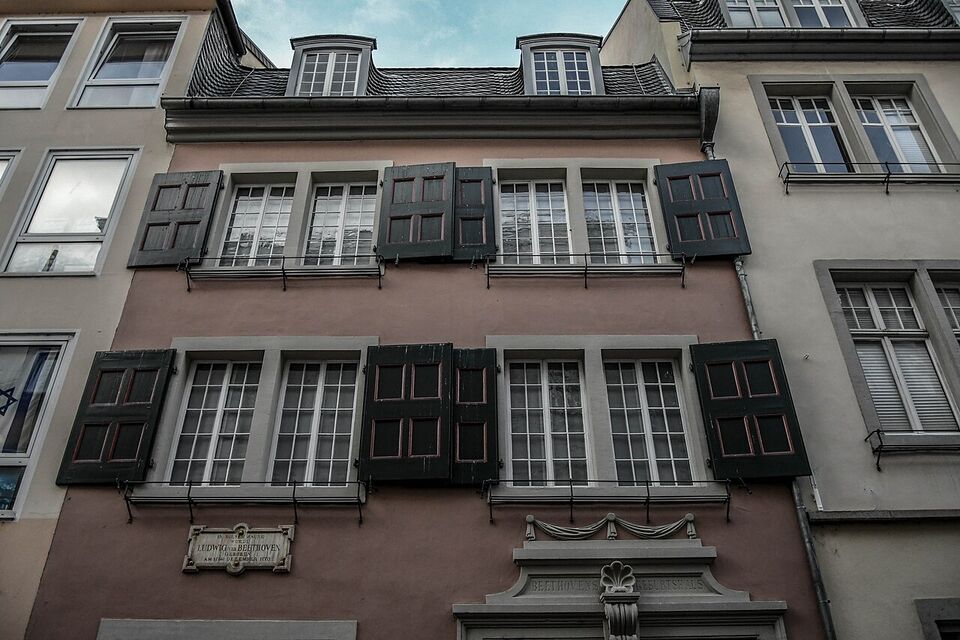
Bonn is where Beethoven was born in 1770, and the house of his birth is a museum with instruments and manuscripts. Bonn is close to Cologne by train, so it works as a half-day trip from Cologne. The city's Beethovenfest is held in late summer; confirm the dates for 2027 on its site.
Wagner in Bayreuth
The 2027 festival opens on Sunday, July 25 with a new Lohengrin and runs to August 24, according to the festival's published program. Tickets are sold online through the festival and are difficult to get, with demand far above supply. Plan a year ahead and expect a long day.
Berlin Philharmonic
The Berlin Philharmonic plays in its own hall near Potsdamer Platz. Good seats go fast for star conductors, so book through the orchestra's own site and check it for the on-sale dates. See Berlin sights for the neighborhood.
Hamburg's Elbphilharmonie
The plaza viewing area is open daily from 10 a.m. to midnight, and Plaza tickets carry a booking fee of €5 (about $6) per ticket (€3 for ages 3 to 17 and students). Concert tickets include Plaza access from two hours before the event. It closes on December 24. See Hamburg for the harbor.
Art and design
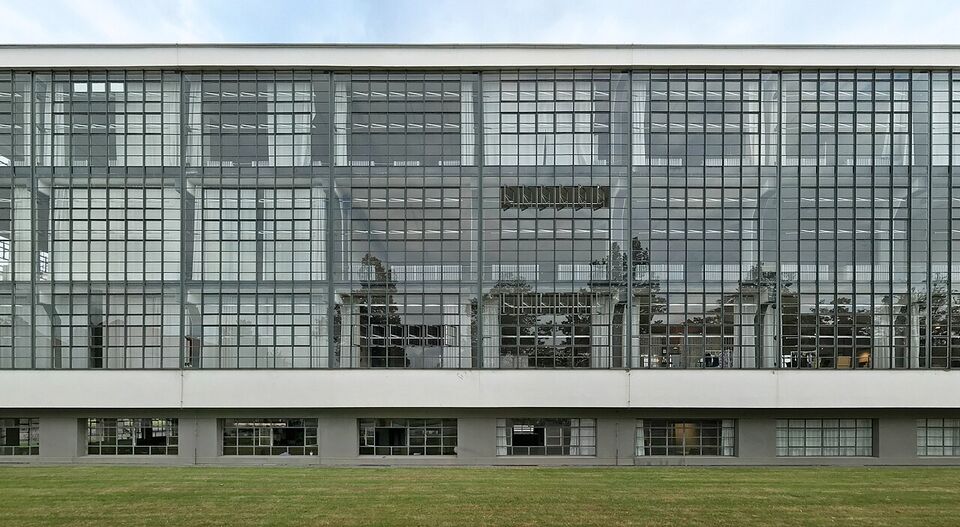
For design, start with the Bauhaus. The school was founded in Weimar in 1919, moved to Dessau and ended in Berlin, and its buildings and museums are spread across those three places. The Weimar page covers the Weimar museum. Check opening hours for each site, since some are partly closed for building work.
For museums, Berlin's Museum Island is the center. A day ticket for the island is €24 (about $27) and covers several museums, with the Neues Museum, Altes Museum, Bode Museum and Alte Nationalgalerie open. The Pergamonmuseum is closed for renovation and is due to reopen on June 4, 2027 (one ticket page shows July 4, so confirm). The Pergamon Panorama nearby is open. Munich and Dresden have major collections too; see Munich sights and Dresden and Saxony.
Cars
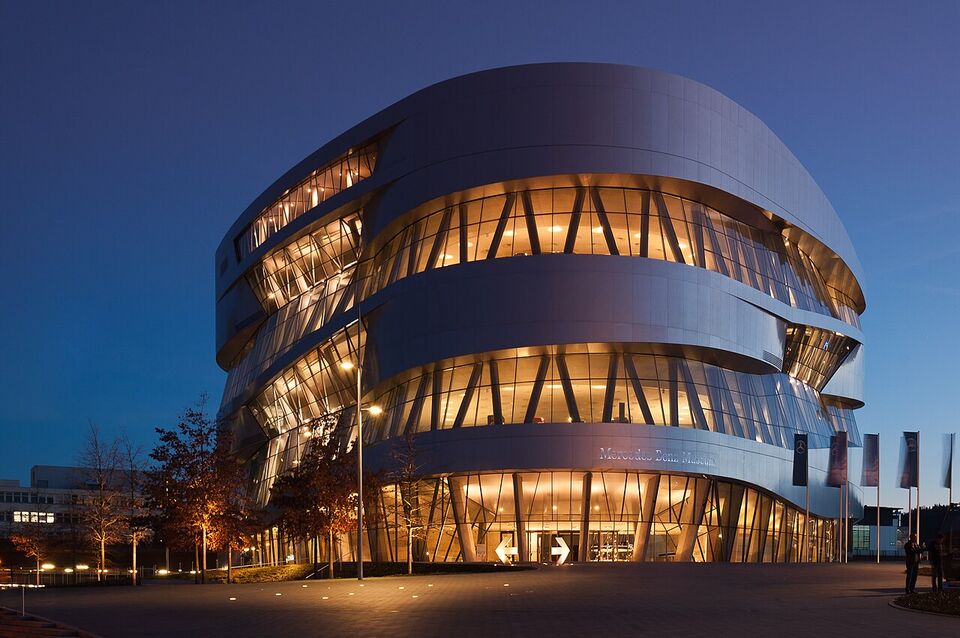
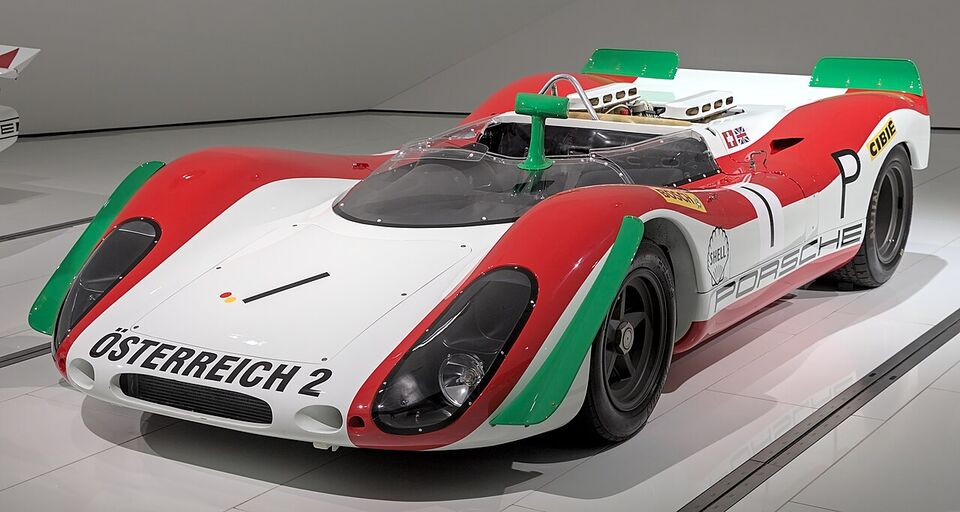
Germany has three big brand museums within reach of a rail ticket. In Munich, BMW Welt and the BMW Museum sit next to Olympiapark. In Stuttgart, the Mercedes-Benz Museum is in Untertürkheim and the Porsche Museum is in Zuffenhausen, both reached by S-Bahn. Check each museum's site for current hours and prices, because they change and some of our sources would not load.
The Nürburgring Nordschleife
The Nordschleife is the 12.9-mile (20.8 km) northern loop of the Nürburgring racetrack in the Eifel hills. On days marked Touristenfahrten, anyone with a road-legal car can pay per lap and drive it, under normal German traffic law, with no speed limit on most of the track. It is dangerous, and drivers share the track with motorcycles and faster cars. The season runs through much of the year with gaps for races, so check the track calendar.
Watch out
Rental car contracts nearly always ban driving on a racetrack, and insurance usually does not cover it. If you want to do laps, ask about a company that rents track-approved cars, or take a ride-along taxi lap instead. Our Driving in Germany page covers licenses and rentals.
Soccer
The Bundesliga season runs from late August to May with a winter break around Christmas and early January. Tickets for most matches go on sale on the clubs' official sites or apps, and it is safest to buy from the club, not resellers. Big clubs sell out; clubs like Mainz, Cologne, Hamburg or the second-division teams have more seats. Many club tickets include free public transit on match day in the home city, which is worth checking on the ticket page.
German stadiums have standing terraces in the home end, family blocks, and a strong match-day culture. Expect to pass through bag checks, to buy food with a stadium card or with cash, and to arrive early. Dates for the season are set by the league each summer, so check the fixture list. For cities, start with Munich, Hamburg or Cologne.
Families with kids
Two theme parks draw families. Europa-Park, in Rust near Freiburg, is Germany's biggest. A one-day ticket for ages 12 and over was reported at about €67 to €76 (about $75 to $85) online in 2026 depending on the date, with an extra charge at the box office; we could not load the park's own site, so check the current price there. The winter season is reported as November 28, 2026 to January 9, 2027, daily from 11 a.m. and closed on December 24 and 25. Legoland Germany in Günzburg, near Ulm, is a seasonal park that closes for the winter, so confirm the 2027 season dates on its site before you plan.
In cities, look for Miniatur Wunderland in Hamburg (€22, about $25, adults; €19 discounted), the Deutsches Museum in Munich (€18, about $20, adults; €40 family) and zoos and playgrounds. On trains, children up to 14 generally travel free with a parent on Deutsche Bahn long-distance tickets when registered on the ticket; check the terms when you book. A seat reservation is a separate fee. See Getting around Germany.
LGBTQ travelers
Berlin is the center of LGBTQ life in Germany, with neighborhoods in Schöneberg and Kreuzberg, the Schwules Museum and a lively nightlife scene. Cologne has one of Germany's largest Pride celebrations and a long-established scene. Hamburg and Munich also have active communities. Same-sex marriage has been legal since 2017.
The big Pride events, called Christopher Street Day or CSD, run from late spring through September in different cities. Berlin's is usually in July and Cologne's in early July; both announce dates months ahead, so check the organizers' sites for 2027. Smaller CSD events in some eastern towns have drawn counter-protests in recent years, so read local news first. For safety advice in general, see Is Germany safe?
Accessible travel
Germany is workable for travelers with disabilities if you plan ahead. The Deutsche Bahn mobility service (Mobilitätsservice) is a free help service for boarding and getting off trains. You should request it in advance; ask for the current notice period when you book, and use the bahn.de contact page for the number and form. On long-distance trains, ICE trains have spaces for wheelchairs and an accessible toilet.
In cities, newer U-Bahn and S-Bahn stations have elevators, but older ones may not, and cobblestones in old towns are hard on wheels. Many castles, including some with only steep staircases, have limited access, so check each site. Public accessible toilets in Germany are often locked with the Euro key (Eurokey), a special key sold online by disability organizations. A US disabled parking placard may not be accepted, so ask your rental company or hotel.
Different from home
Germany has no law requiring every old building to be wheelchair accessible in the way the ADA does at home. Newer sights are better; historic ones vary. Phone ahead, and ask specific questions about steps and elevators.
Sample routes built around one interest
These short outlines show how a theme turns into a route by train. They are starting points: adjust the nights to your own schedule, and check weekday closures on the sights.
- History, 5 days
Berlin, Sachsenhausen, Nuremberg
Spend three days in Berlin for the Wall Memorial, the Topography of Terror, Museum Island and a day at Sachsenhausen. Take a fast train to Nuremberg for the Rally Grounds Documentation Center and the old town. Fast trains between the two cities take a few hours, and the exact time and price depend on the day, so check bahn.de when you book.
- Music, 6 days
Berlin, Leipzig, Bonn or Hamburg
Start with a concert at the Philharmonie in Berlin, continue to Leipzig for Bach and the Thomaskirche, then fly or take a train west to Bonn for the Beethoven-Haus or north to Hamburg for the Elbphilharmonie. Book concerts first and fit hotels around them. In summer, shift the plan to the Bayreuth Festival dates if you can get tickets.
- Cars, 4 days
Stuttgart and Munich
Give one day each to the Mercedes-Benz and Porsche museums in Stuttgart, then travel to Munich for BMW Welt and the BMW Museum. Add a day trip to the Nürburgring only if you have your own plan for the drive, since it is far to the northwest of both cities.
- Families, 7 days
Munich, Neuschwanstein, Europa-Park
Base in Munich for the Deutsches Museum, an English Garden playground and a day at the castles, then go west to Rust for Europa-Park. Travel with luggage on regional trains is simplest early in the day, away from rush hours.
Save money
Many specialist museums offer family tickets or free entry for children under a certain age. Ask at the desk, because online prices sometimes list only adult and reduced fares. The regional day tickets on German trains also work out cheaper than separate fares for groups; see train tickets and passes.
Where to go next
Beyond these themes, the outdoors section is a page of its own: hiking, cycling and the outdoors. For river trips, see river cruises, and for family trees, tracing German roots. If you are staying longer than a vacation, read long stays in Germany.
Add it to a route in the trip builder, or ask us to plan the hotels, trains and guides for you.