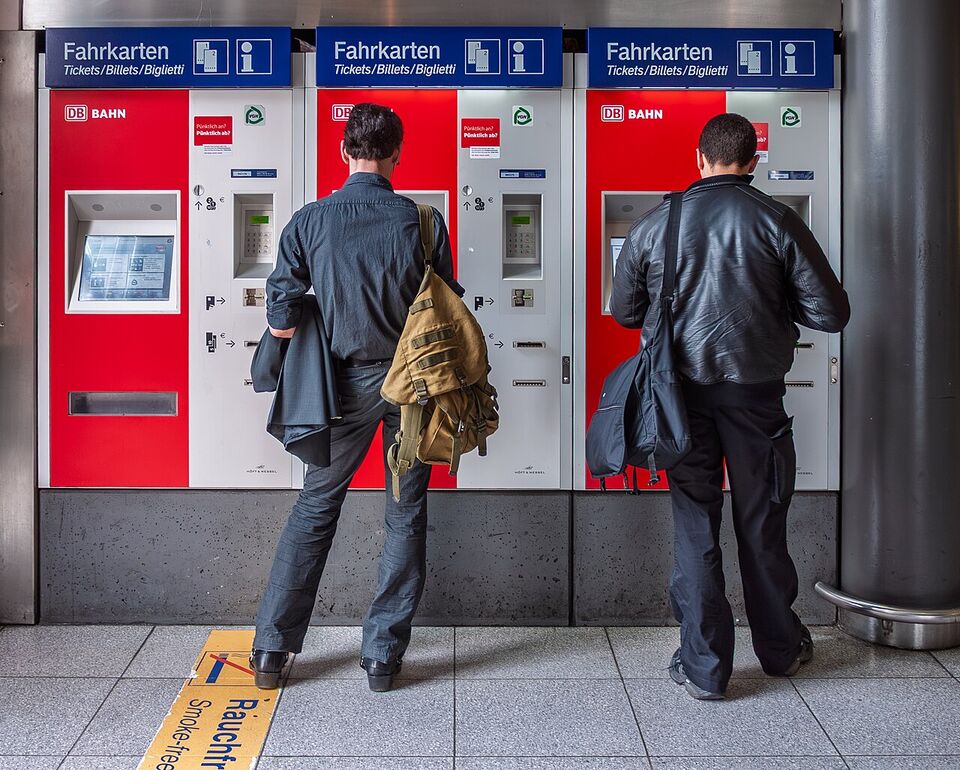
The short answer: which ticket
For most visitors the answer is simple. Use a saver fare (Sparpreis) for the long ICE trips between cities, book it as early as you can, and use a city day ticket or a Länder ticket for local travel. The Deutschlandticket can beat both if you spend a whole month moving around by regional train and city transit, but it does not cover ICE trains. A rail pass or BahnCard is rarely worth it on a first trip.
This page explains each option with real prices and math. For how the trains themselves work, see getting around Germany; for what to budget in total, see budget. All prices are in euros as of November 2026, with dollars at €1 = US$1.12.
Fares change often, and we could not load every bahn.de page. Where a price is a "from" figure or comes from a secondary source, we say so, and you should confirm the final price in DB Navigator or on bahn.de before paying.
Sparpreis, Super Sparpreis and Flexpreis
Deutsche Bahn (DB) sells long-distance tickets in three main types. The price depends on how early you book, how full the train is and the fare type.
| Fare | Price level | Train | Changes and refunds |
|---|---|---|---|
| Super Sparpreis | Cheapest. Limited seats per train | Tied to one train (Zugbindung) | Normally not changeable or refundable |
| Sparpreis | Middle. DB advertises fares from €6.99 (about $8) on certain deals | Tied to one train | Changes and refunds have fees; no free cancellation |
| Flexpreis | Highest. Full fare | Any train on the first travel day and often the next | Changes and refunds free or cheap up to the day before; fees after |
The "from €6.99" figure comes from DB's own deals and is the lowest Sparpreis DB advertises; it is not a typical long-distance price. On a four-hour route like Berlin to Munich, a Sparpreis booked weeks ahead can be a small fraction of the Flexpreis, which tops out around €150 or more in 2nd class for the longest trips (the last published cap we found was €157.50, so confirm before you rely on it). Prices rise as seats sell, so the same train can cost €30 in September and €90 the week before.
Super Sparpreis and Sparpreis tickets are train-bound: they only work on the train you booked. But if that train is delayed by 20 minutes or more or cancelled, the binding is lifted and you can take another train (see the Zugbindung aufgehoben rule on the getting around page). That is why saver fares are less risky in Germany than they look.
Flexpreis makes sense if you cannot fix your day, if you are traveling in peak season and want freedom, or if your trip includes several short hops and you would rather change plans as you go. DB has free changes up to a few days before and small fees after, but check the exact terms when you book.
Insider tip
Book your longest, most important trips first (such as Berlin to Munich), and leave the shorter regional hops for a Länder ticket or the Deutschlandticket. Long runs are where early booking saves the most.
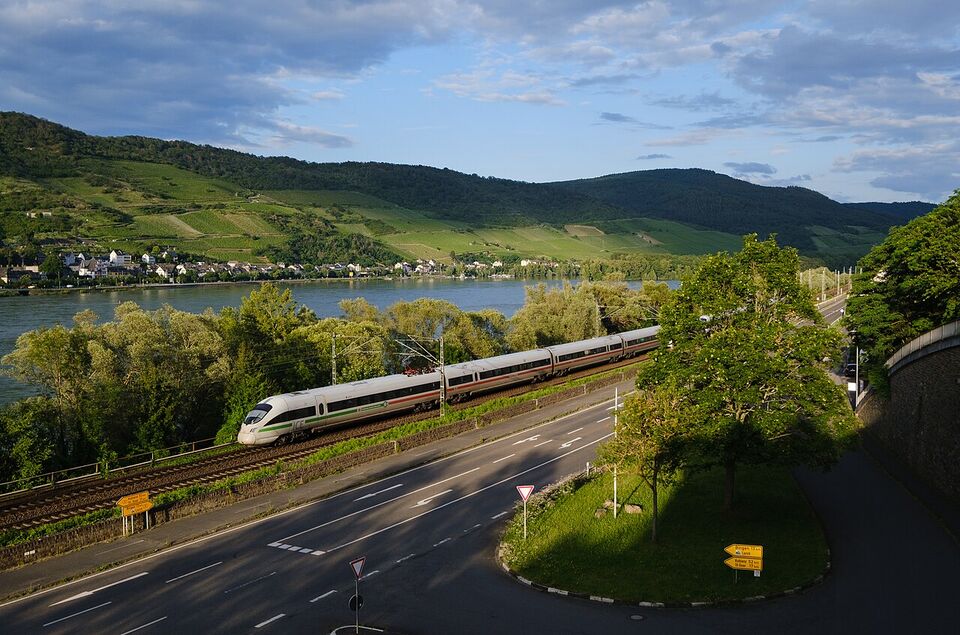
When sales open and how early to book
DB normally sells long-distance tickets up to about six months ahead (roughly 180 days), though we could not confirm the exact window on bahn.de. Each new timetable opens separately. For the timetable that starts on December 13, 2026, sales opened on October 14, 2026. That means trips after December 13 can already be booked, but cheap Super Sparpreis seats are limited, so the best prices go first.
As a rule of thumb:
- Book 6 to 12 weeks ahead for the cheapest saver fares on busy routes.
- For Christmas-market weekends, December holidays and summer Fridays, book as soon as you know the date (see Christmas markets).
- Midweek trains (Tuesday to Thursday) tend to be cheaper and emptier than Friday afternoons or Sunday evenings.
- If your plans might change, buy Flexpreis for that one leg rather than a nonrefundable saver fare.
Seat reservations are separate: about €5.50 (about $6) per one-way trip in 2nd class and about €6.90 (about $8) in 1st class, according to a third-party site (we could not load DB's own fee page), so check the price when you book. A 1st-class Flexpreis ticket includes the reservation. A reservation is not required, but trains run full on peak days.
The Deutschlandticket for visitors
The Deutschlandticket is a monthly pass for local and regional transport across all of Germany. It costs €63 (about $71) per calendar month in 2026. From January 1, 2027 the price rises to €66.80 (about $75), as Deutsche Bahn's own Deutschland-Ticket page now states.
What it covers
It covers local public transport throughout Germany: regional trains (RE and RB), S-Bahn, and in most cities the U-Bahn, trams and buses. It does not cover ICE, IC or EC long-distance trains. It does not include a seat reservation or travel in 1st class, and it is for one person (there is no included companion).
How to buy
You order at deutschlandticket.de, choose a start month, enter the holder's details and a billing address, create an account and pick a payment method. The ticket arrives within minutes and lives in the Deutschlandticket.de app or in Apple or Google Wallet; there is no plastic card. A PDF confirmation is only proof of payment, not a valid ticket.
It is a monthly subscription: it renews each month until you cancel, and to stop at the end of the month you cancel by the 10th of that month (DB's rule). Visitors can order for one month and cancel in their account. Because it runs for a calendar month, a ticket bought for November is valid November 1 to 30 no matter when you start using it. Foreign cards and payment methods may not work with every seller, so try buying before you travel, not on the platform. Deutsche Bahn and some local transit operators also sell versions of it.
Watch out
Set a reminder to cancel. If you do not cancel by the 10th, the subscription renews for the next month, and a bank payment from a foreign card can be awkward to dispute. A trip that crosses two months needs two tickets (€126 at 2026 prices, about $141) or careful planning.
Is it worth it? The math
At €63 (about $71), the Deutschlandticket beats single tickets quickly in a city-heavy month. Compare it with day tickets in 2026: Munich €10.10 (about $11), Berlin €11.20 (about $13), Hamburg €8.20 (about $9), Frankfurt €7.75 (about $9). About six days of transit in one of those cities already equals the ticket price, before counting any regional train.
It also replaces regional fares. A Munich to Nuremberg trip on a regional train, a day trip to Füssen, or a run along the Rhine on RE trains all fall under it. For a two-week trip in one calendar month with six or more regional or city days, it is usually the winner. For a trip with a few long ICE legs and mostly walking in cities, you will not use it enough.
Two situations where it fails: if your trip straddles two months (you pay twice), and if your main trips are ICE trips, which it does not cover. In those cases a Länder ticket or day tickets are better.
Länder tickets: Bayern-Ticket and the rest
Each German state sells a day ticket for regional trains and local transit, the best deal for small groups. The best known is the Bayern-Ticket for Bavaria. We could only confirm the March 2025 price: €32 (about $36) for one person, plus €10 (about $11) for each extra person, up to five, so €72 (about $81) for five. The 2026 price may be a euro or two higher, so confirm on bahn.de.
Validity: on weekdays from 9 a.m. until 3 a.m. the next day, and on weekends and public holidays from midnight until 3 a.m. the next day. It covers regional trains (RE, RB, IRE and S-Bahn) and most local transit, but not ICE or IC trains. Children aged 6 to 14 travel free (up to three per group), and younger children are free. There is also a Bayern-Ticket Nacht for evenings.
Other states sell similar tickets, such as the Baden-Württemberg-Ticket, Sachsen-Ticket, Niedersachsen-Ticket and Schleswig-Holstein-Ticket. Prices and extra-person charges vary by state, and we could not confirm 2026 prices for them. The Länder ticket makes most sense for two to five people sharing one ticket; a solo traveler is usually better off with the Deutschlandticket or a day ticket. Since the Deutschlandticket exists, a Länder ticket is mainly for groups, and for travelers who need only one or two days.
Worked example: a family day to Neuschwanstein
Two adults and two children under 15 take the regional train from Munich to Füssen (about 2 hours each way) for Neuschwanstein. A Bayern-Ticket at the 2025 price is €42 (about $47) for the two adults, and the children ride free. Compare that with four separate regional tickets. On a weekday, remember the 9 a.m. start. See Munich for the city, and note that you still need separate castle tickets.
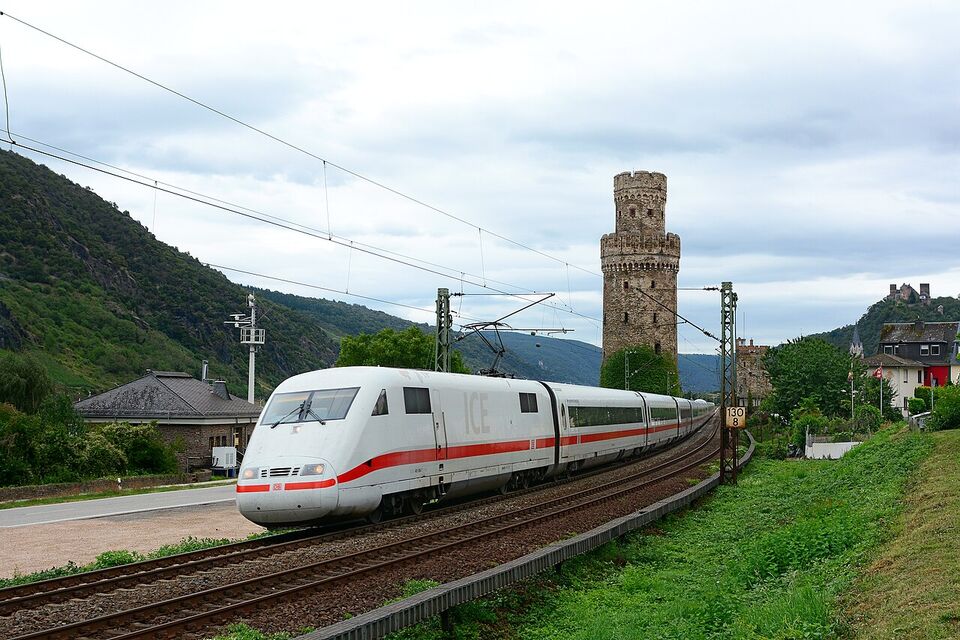
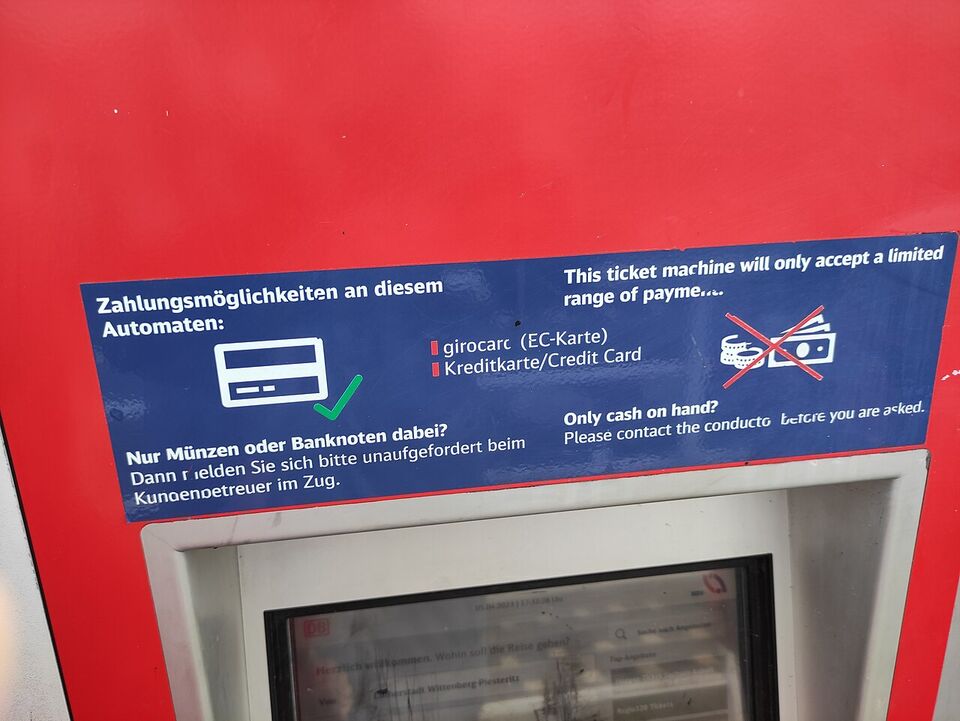
German Rail Pass
There is no Germany-only rail pass listed by Eurail as of November 2026. Eurail's Germany page now redirects to its general site, which lists only the Eurail Global Pass, and that pass covers Germany. Older articles and some US resellers still mention a "German Rail Pass"; do not count on one. For most visitors, Sparpreis tickets or the Deutschlandticket are cheaper than any pass.
If you are combining Germany with several other countries, price the Global Pass at eurail.com. The math is simple. Add up what your long trips would cost as saver fares booked early, then compare with the pass price. A pass tends to win only if you take several long ICE trips on short notice at Flexpreis prices; it rarely wins against early saver fares. Passes do not include seat reservations, which cost extra on many trains, and they do not cover non-DB buses.
Save money
Price your real route two ways. List each long trip, look up the Sparpreis for your dates in DB Navigator, and total it. If that total is close to or below the pass price, skip the pass.
BahnCard 25 and the trial
A BahnCard gives a discount on long-distance fares for a year. The BahnCard 25 costs €62.90 (about $70) in 2nd class and gives 25% off Flexpreis and Sparpreis fares, but not seat reservations. The BahnCard 50 costs €244 (about $273) in 2nd class and gives 50% off Flexpreis and 25% off Sparpreis. DB said in October 2026 that its prices stay stable for the December timetable, and a news report says BahnCard prices are unchanged.
For one trip, a BahnCard is rarely worth it. The BahnCard 25 breaks even when you spend about €252 (about $282) on eligible fares: 62.90 divided by 0.25. If you plan several long trips (say Berlin to Munich, Munich to Cologne and Cologne to Hamburg at around €80 each), it can save money.
DB's BahnCard page lists a three-month trial BahnCard 25 from €19.90 (about $22) and a trial BahnCard 50 from €76.90 (about $86). At 25% off, the trial BahnCard 25 pays for itself after about €80 (about $90) of eligible fares (a single Berlin to Munich trip can do that). Read the cancellation terms: trials can convert into a full one-year subscription unless you cancel in time, and DB's page says a BahnCard can be cancelled up to six weeks before the end of its validity.
Children, families and groups
Children under 6 travel free on DB trains. Children aged 6 to 14 travel free when accompanied by a parent or grandparent, and they should be added to the booking so they appear on the ticket. Without an adult, they pay 50% of the fare. Rules for other relatives and the exact number of children per adult can vary, so read the booking screen.
From November 1, 2026, DB has a permanent Familienticket at €99.99 (about $112) for up to five people on long-distance trains within Germany in 2nd class, outward and return, with seat reservations included (DB press release, October 13, 2026). A news report says no more than two travelers may be aged 15 or older. Check the current terms and whether it covers your dates when you book.
Groups of six or more can use Sparpreis Gruppe. DB says groups can now reserve it online without obligation for up to 14 days. We could not confirm the deposit and deadline rules, so confirm them on bahn.de.
Worked examples
Example 1: two weeks, three big cities
A couple flies into Frankfurt, takes ICE trains to Munich and then Berlin, and flies home from Berlin. They book Sparpreis tickets early for the two long legs and add reservations at about €5.50 each (about $6) for the Friday leg. Locally they use day tickets. A Deutschlandticket (€63, about $71 each) would add little because the main travel is by ICE. This is the typical first trip, and saver fares win.
Example 2: a month based in Bavaria
A traveler stays in Munich for a calendar month, uses the S-Bahn daily and takes regional trains to Füssen, Nuremberg and Landshut. One Deutschlandticket (€63, about $71) covers all of it. Single tickets would cost far more, so the ticket wins by a wide margin. Buy it for the right calendar month and cancel by the 10th of that same month so it does not renew.
Example 3: a family of four with a car-free week in Bavaria
Two adults and two kids under 15 use a Bayern-Ticket (about €42 at 2025 prices, about $47) for each regional day trip, and an ICE Sparpreis with reservations for the long leg. Kids are free on both. A Deutschlandticket for each adult would cost €126 (about $141) for the month, so the Länder ticket is cheaper for a few days.
For help with the total cost of your trip, see the budget page, and for the money details such as cards and ATMs, see money.
Add it to a route in the trip builder, or ask us to plan the hotels, trains and guides for you.