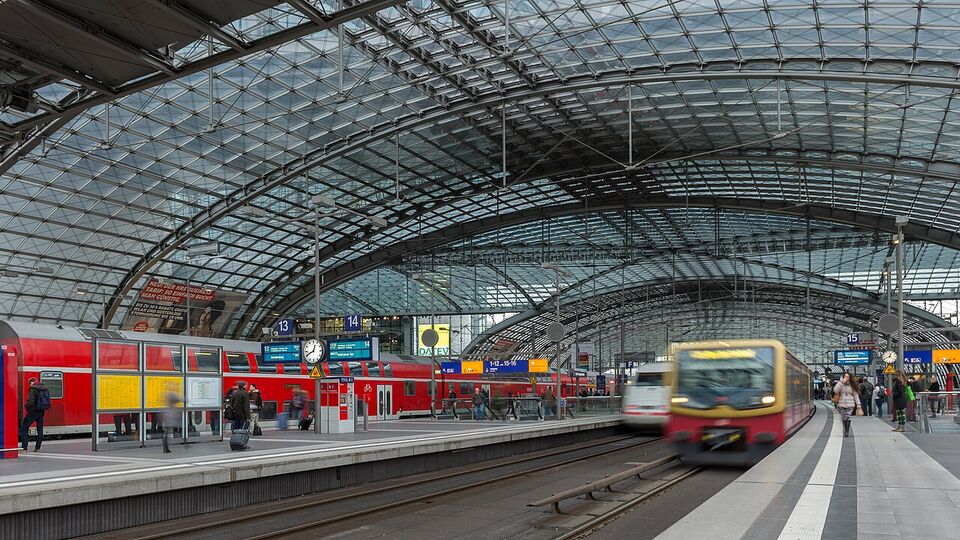
Overview: is Germany safe?
For most American visitors, Germany is a safe country to travel in. Violent crime against tourists is rare, public transit runs at all hours in the big cities, and police are visible and approachable. The problems that actually happen to visitors are petty: stolen phones and wallets, a few well-known street scams, and fines for riding a train without the right ticket.
The US government's travel advisory for Germany is Level 2, "Exercise increased caution," and the reason it gives is terrorism. That is the same level the US gives for many other Western European countries. It is a reason to stay alert in crowded places, not to stay home. Below, we explain what the advisory says, which scams and areas to avoid, what to expect at Christmas markets, and who to call if something goes wrong.
Rules about conduct, such as the ban on Nazi symbols, are in German etiquette. For illness and injuries, see Health and medical care.
The State Department advisory, explained
The advisory for Germany reads: "Exercise increased caution in Germany due to terrorism." As of November 2026 it is Level 2 on the State Department's four-level scale (Level 1 is "normal precautions"; Level 4 is "do not travel"). The page says it was reissued after periodic review with minor edits and does not show a date, so look at travel.state.gov for the latest wording before you leave.
The advisory's text says that terrorist groups keep planning attacks in Germany and that attackers may strike with little or no warning. It lists tourist sites, transportation hubs, markets, shopping malls, hotels, clubs and restaurants, places of worship, parks, schools, airports and major sporting and cultural events as possible targets. Methods mentioned elsewhere in the State Department's material include knives, small arms, explosives and vehicles.
The practical meaning is limited. The odds of any individual visitor being affected are very low, and German authorities guard markets, stations and large events heavily. What you can do:
- Enroll in the State Department's Smart Traveler Enrollment Program (STEP) so the Embassy can contact you in a crisis.
- Keep your phone charged and save the emergency numbers below.
- Follow instructions from police and event staff, including bag checks at entrances.
- Know where the exits are in a crowded hall, station or market.
- Avoid demonstrations (see below), and check local news if your plans include a major event.
Pickpockets and petty crime
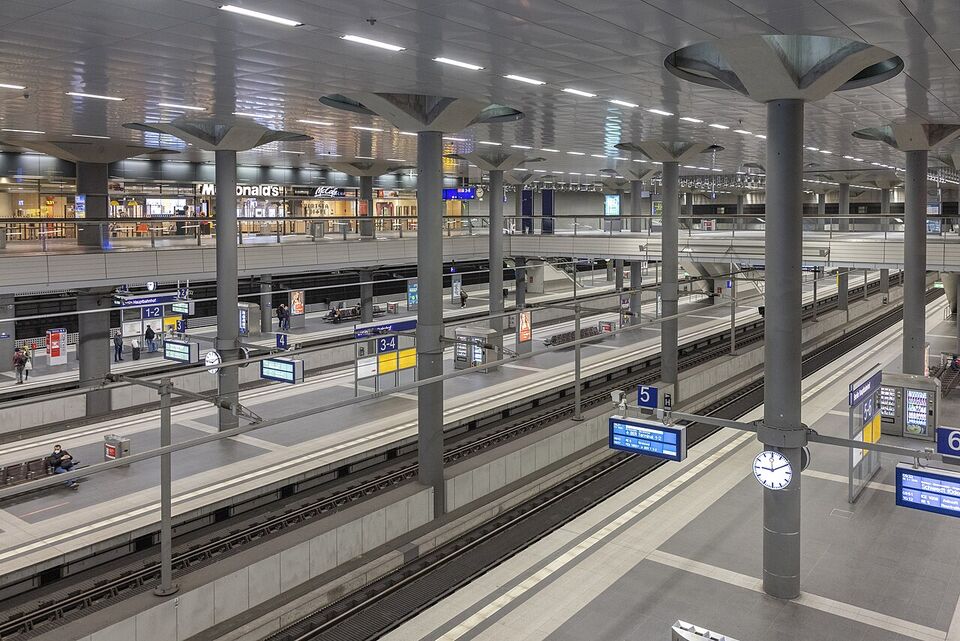
Theft is the most likely crime you will meet. The State Department says theft and pickpocketing are most common at train stations, on public transit, at tourist sites and at large events, and Berlin police have called pickpocketing a major public-safety problem. Thieves often work in teams: one person distracts you (asking directions, bumping into you, spilling something) while another takes your phone or wallet.
- Carry less: one card, a small amount of cash and a photocopy or photo of your passport. Leave the passport locked in the hotel safe unless you need it.
- Use a front pocket or a zipped crossbody bag worn in front of you. Never hang a bag on a chair back or a baby stroller handle in a restaurant, and never leave it on the ground.
- Be alert at doors. The moment the train doors open and close is a favorite time to take a phone. Hold it away from the edge of a platform and keep it in a front pocket.
- Watch supermarkets and carts. German police ran a nationwide action week against thefts from shoppers who hang bags on shopping carts. Keep your bag on your body.
- Back up your phone and turn on remote lock before you travel.
Hotel rooms are generally secure, but keep valuables in the safe. Car break-ins happen where a car is parked with bags in view, so take everything with you, and never leave luggage inside an unattended vehicle at a tourist stop. See Driving in Germany for parking tips.
Scams to know
A few set-piece scams recur in tourist centers. None is especially dangerous, but all cost money or time.
Petition clipboards
A group approaches with clipboards and asks you to sign a petition, often for a charity for deaf or disabled people. While you sign, someone checks your pockets, or the group demands a cash "donation" once your signature is on the page. Say "Nein, danke" and keep walking.
Shell game
Hütchenspiel is a street game where you bet on which cup hides a ball. The crowd around the table are usually part of the act, and the game cannot be won. Do not play, and do not stop to watch with a phone in your hand.
Fake police
Men in plain clothes show a badge and ask to inspect your wallet for "counterfeit money" or drugs. Real German police do not ask to handle your cash or demand your PIN. Ask for identification, and say you will call 110. Walk into a shop or a hotel if you feel pressured.
Friendship bracelets and "found" rings
Someone ties a bracelet on your wrist or hands you a "gold" ring they say you dropped, then demands payment. Keep your hands in your pockets and do not take anything offered.
Romance and money scams
The State Department says romance and financial scams are widespread in Germany. Be wary of anyone who asks you for money after an online relationship, even if they claim to be an American in need.
Taxis and ride apps are generally honest, but agree on the fare for airport trips or check that the meter is running. Use the official rank at stations. Rental bikes and e-scooters carry deposits and fines for badly parked vehicles, so read the app terms before you ride.
Train stations and problem areas
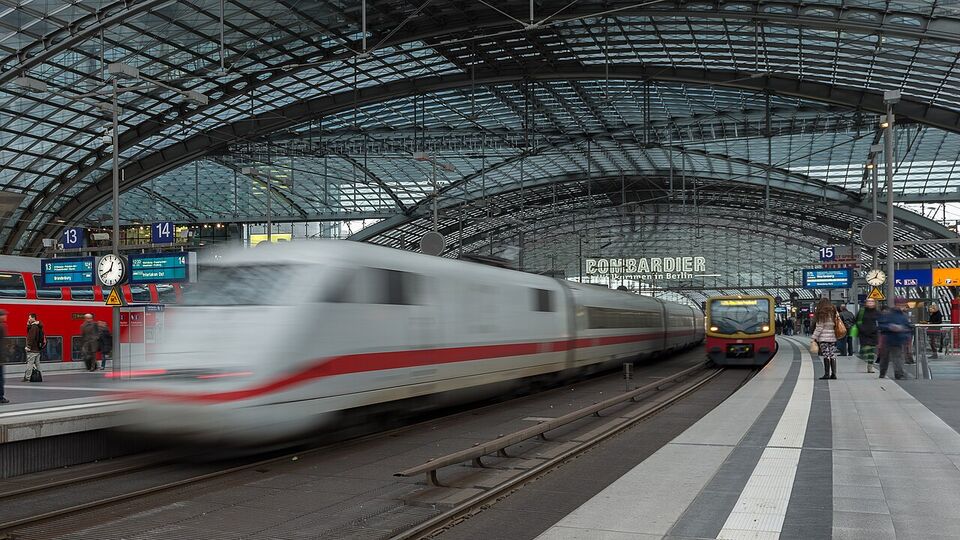
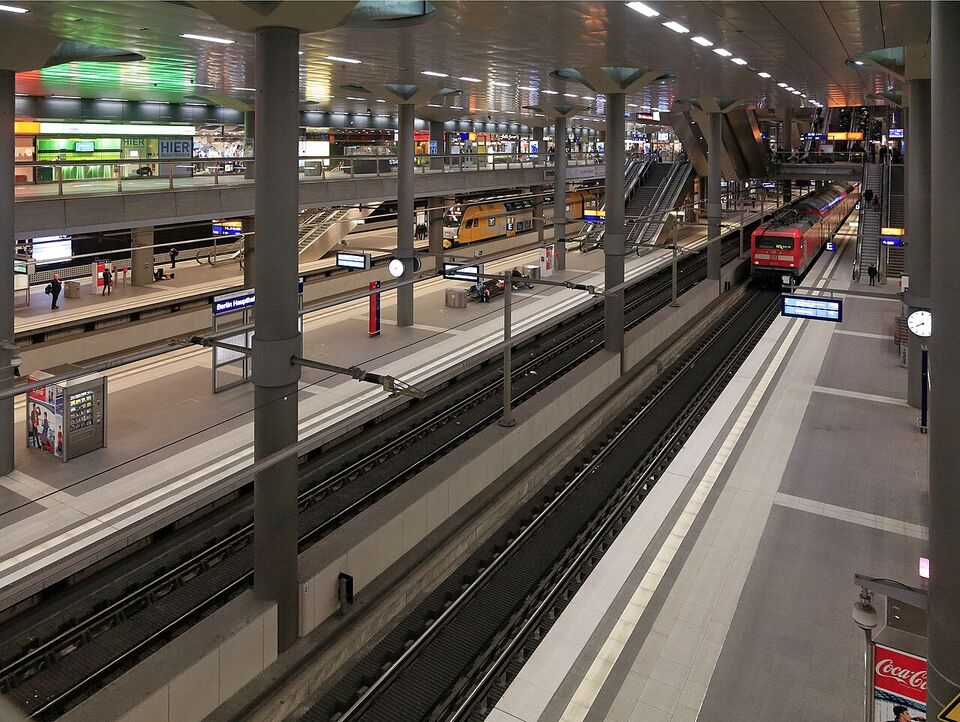
Big-city station districts have drug scenes, beggars and late-night fights, and they are also where visitors arrive with luggage. State Department guidance says violent crime, though rare, is more likely in larger cities, on subways and in train stations late at night or early in the morning. Keep your luggage close and your route simple.
Frankfurt Bahnhofsviertel
The streets between Frankfurt's Hauptbahnhof and the Main river, around Kaiserstraße and Taunusstraße, have an open street drug scene, sex businesses and a large police presence, alongside hotels, restaurants and bars. It is busy by day and mostly fine for passing through with a rolling suitcase, but it feels rough after dark. If you want a quieter base for a first visit, consider a hotel in the old town, Sachsenhausen or along the museum embankment (see Frankfurt). If you stay in the station district, use well-lit streets and take a taxi late at night.
Görlitzer Park, Berlin
Görlitzer Park in Kreuzberg is one of Berlin's best-known open drug-dealing sites, and dealers will approach you even if you ignore them. A fence with gates was built around the park, and it was closed overnight for a period in spring 2026, but a court suspended the nighttime closure in June 2026, so the gates are open and the status could change again. Walking through by day is common, but we suggest skipping it after dark.
Other places to stay alert
- Berlin: police name certain locations as crime hot spots, such as Alexanderplatz and Kottbusser Tor. They are busy and safe for most people, but watch your phone and bag.
- Hamburg: the Reeperbahn in St. Pauli is a crowded nightlife strip with fights at weekend closing time. Hamburg has weapons-ban zones in parts of its station and nightlife areas, marked with signs, so leave knives at the hotel. See Hamburg.
- Munich and Cologne: pickpockets target the Hauptbahnhof and the old town, especially at Oktoberfest and carnival.
Eastern and rural areas are generally fine for visitors, but the State Department notes that drunk "skinheads" have harassed and attacked people who look like foreigners, and advises caution at known expat hangouts. This is uncommon. If you feel uneasy, leave the area and call 110.
Demonstrations and public events
Protests happen regularly in Germany, especially in Berlin, and the right to assemble is broadly protected. Most are peaceful and organized, with police escorts, but the State Department warns they can turn confrontational or violent. Large demonstrations also close streets and disrupt transit.
- Avoid the area around a march, especially after dark.
- Check local news, the police account on social media, or the city's event listings before you head to a government district, a main square or a stadium.
- If a crowd forms or police ask you to leave, do so calmly.
On New Year's Eve, private fireworks are used widely, including in crowded squares. Fireworks are banned near churches, hospitals and care homes, and many cities set additional bans in the pedestrian zone. Big public events can be rowdy, and the combination of alcohol and fireworks causes injuries. If you want a calmer evening, follow the official public events and avoid dense crowds late at night.
Christmas markets and big events
The Christmas markets are among the most visited events in the country and among the most guarded. Nuremberg, for example, blocks access roads with barriers and police vehicles, posts uniformed and plain-clothes officers, and runs random bag checks. Many other cities use similar measures. Expect concrete blocks at entrances and visible patrols, which are normal here and not a sign of a specific threat.
Past attacks, including Berlin in 2016 and Magdeburg in December 2024, are the reason for the heavy security. Respect it: queue patiently for bag checks, carry a small bag, and do not leave belongings unattended. Knife bans were reported at Christmas markets from the 2024 season; we could not confirm which rules apply in 2026, so leave pocketknives at the hotel. Pickpockets work the crowds at markets, so keep your phone in a front pocket and your bag zipped. See Christmas markets in Germany for dates and a market-by-market guide.
Insider tip
Go to the popular markets on weekday afternoons rather than Friday and Saturday evenings. Crowds are thinner, pickpockets have less cover, and you can see the stalls. Pay for mulled wine (Glühwein) with a small bill rather than pulling out a full wallet.
Nightlife and drink spiking
German cities have a lively night scene, and drinking is legal at 16 for beer and wine and 18 for spirits. Drink spiking, often called "K.O.-Tropfen" (knockout drops), is a risk in any country, and German police warn about it in clubs and bars. Take the usual precautions:
- Watch your drink being poured and keep it in your hand. Do not accept drinks from strangers.
- If you feel suddenly dizzy, confused or drunk beyond what you drank, tell a friend or staff and ask for help. Call 112.
- Stay with friends, agree a meeting point, and share your location with someone you trust.
- Many bars take part in awareness schemes such as the "Ist Luisa hier?" ("Is Luisa here?") code phrase, which lets you quietly ask staff for help.
Club door policies can be strict, and some, such as Berlin's famous techno clubs, ban photos and may refuse entry without explanation. Do not argue at the door. Pay your tab before you leave, and be careful with cash in crowded bars. See Beer and wine in Germany for local customs.
Solo, women and LGBTQ travelers
Solo travel is easy in Germany. Public transit is reliable, hostels and small hotels are common, and eating alone is normal. Women traveling alone report that the main concern is late-night behavior in station districts and club areas. We suggest taking taxis or a ride app after midnight, texting a friend your plans, and choosing accommodation near a busy street. A woman who feels unsafe can ask staff in a pharmacy, hotel or shop for help.
The State Department states that there are no legal restrictions on same-sex relations or LGBTQ events in Germany. Same-sex marriage is legal, and federal anti-discrimination law protects LGBTQ people. Berlin, Cologne, Hamburg, Frankfurt and Munich officially encourage Pride events, and these cities have visible gay-friendly neighborhoods. Harassment still occurs, especially late at night in some small towns and parts of the east, so use ordinary judgment and report incidents to the police.
Visitors who are not white, or who are visibly Muslim or Jewish, sometimes report unwanted attention or hostility, more often in some smaller towns than in big cities. Hate-motivated harassment is an offense, and you can report it to the police at 110.
Ticket inspectors and fines
The trip most likely to cost you money is a train, tram or bus ride on the wrong ticket. Germany uses an honor system: there are usually no turnstiles, and plainclothes inspectors (Kontrolleure) board and ask to see tickets. Riding without a valid ticket, which includes a ticket you forgot to validate or that is valid in another zone, usually brings a fine of about €60 (about $67), and repeated offenses can be treated as a criminal matter.
- Check whether your ticket must be validated (stamped) before you board. Many city paper tickets are stamped at a machine on the platform or in the vehicle. Digital tickets usually need no stamping, but read the ticket conditions.
- On Deutsche Bahn long-distance trains with a Sparpreis fare, your ticket is tied to a specific train and may not be valid on another, so read the conditions. See German train tickets and passes.
- Always carry photo ID: an inspector may ask for it if you owe a fine.
- Do not pay anyone in cash on the spot unless they show an official ID and give a receipt. Impersonating an inspector is rare, but ask to see their identification.
- If your phone dies, your digital ticket may not show up. Download tickets as PDFs, or carry a printout.
For city ticket types and prices, see Getting around Germany.
Emergency numbers and lost documents
| Need | Call | Notes |
|---|---|---|
| Ambulance, fire, any life-threatening emergency | 112 | Free from any phone; the EU-wide number |
| Police | 110 | Free; for theft, assault, scams |
| Doctor outside office hours (not life-threatening) | 116117 | On-call medical service; see Health and medical care |
| US Embassy Berlin (emergencies, day and night) | +49-30-8305-0 | Clayallee 170, 14191 Berlin |
| US Consulate General Frankfurt | +49-69-7535-0 | Giessener Str. 30 |
| US Consulate General Munich | +49-89-2888-0 | Königinstraße 5 |
| State Department 24/7 line | +1-202-501-4444 (from abroad) | +1-888-407-4747 from the US and Canada |
The consulates in Düsseldorf, Hamburg and Leipzig list the Berlin number on the embassy site, so for emergencies in those cities call +49-30-8305-0 or the 24/7 line. The US government cannot pay medical bills or lawyers' fees, but it can help you find help, contact family and replace a lost passport.
If your passport is lost or stolen
- Report the loss to the nearest police station (Polizeirevier) and ask for a written report.
- Contact the US Embassy or nearest consulate through its website or the phone numbers above. You will need an appointment for an emergency passport.
- Bring ID such as a driver's license, a copy of the lost passport if you have one, a passport photo, and proof of your travel plans.
- Check your return flight and tell your airline, because you may need the new passport before you can board.
Watch out
Keep a photo of your passport page and the entry stamp or EES record, plus your hotel's address, in your phone and in cloud storage. Germany has temporary controls on all land borders, so carry your passport when you cross by train or car (see Entry requirements for Americans).
Add it to a route in the trip builder, or ask us to plan the hotels, trains and guides for you.