Overview: how to choose
Germany offers everything from a bunk in a youth hostel to a castle hotel with a spa. Prices are reasonable compared with other Western European countries, service is dependable, and rooms are clean. The decisions that matter are the neighborhood, the type of place, whether breakfast and city tax are included, and how early to book for busy dates.
This page covers the types of lodging, what rooms cost in major cities, taxes, breakfast and room quirks that surprise Americans, and the best areas to stay in Berlin, Munich, Hamburg, Cologne and Frankfurt. It uses price tiers: $ is under $120 a night for a double, $$ is $120 to $300, and $$$ is over $300. For your total budget see budget, and for the order of a trip see planning your trip.
We have not named individual hotels, because rates and openings change, and the best choice depends on your dates and your neighborhood. Use the area guidance and the booking tips below, then compare options on your preferred booking site or the hotel's own website.
Types of places to stay
Hotel
The standard choice. Germany classifies hotels with one to five stars under an industry system, covering features rather than quality alone. Chains and independents both exist. City hotels are compact, so a "double" can be small.
Pension and Gästehaus
A Pension (guesthouse) is a small family-run place with simple rooms and breakfast. Good value, friendly, often with shared or small bathrooms. Reception may be unstaffed after a set hour, so tell them your arrival time.
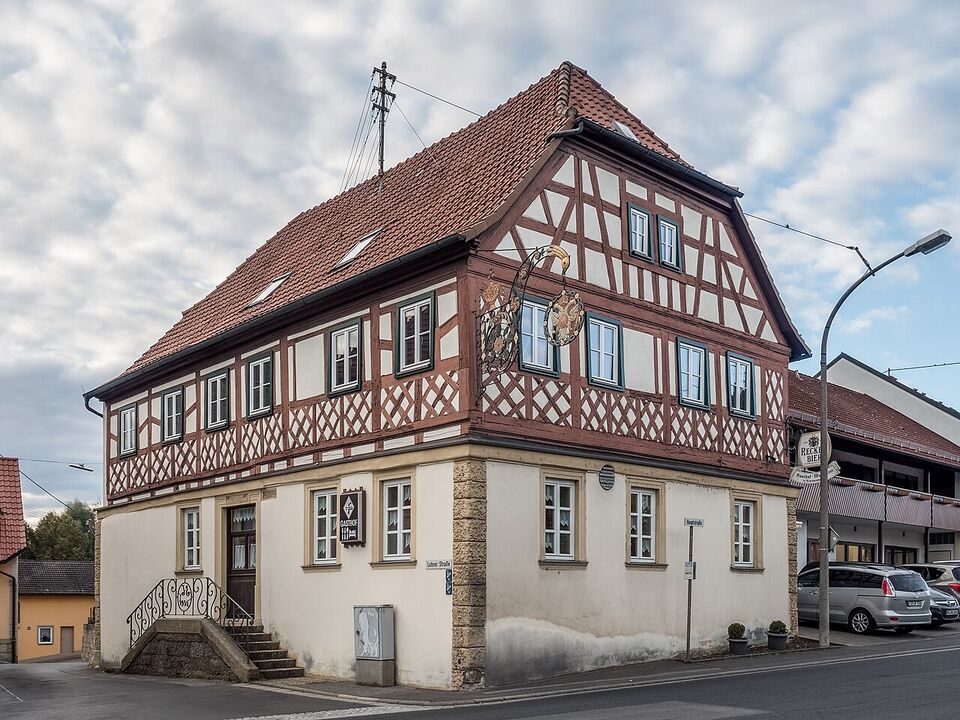
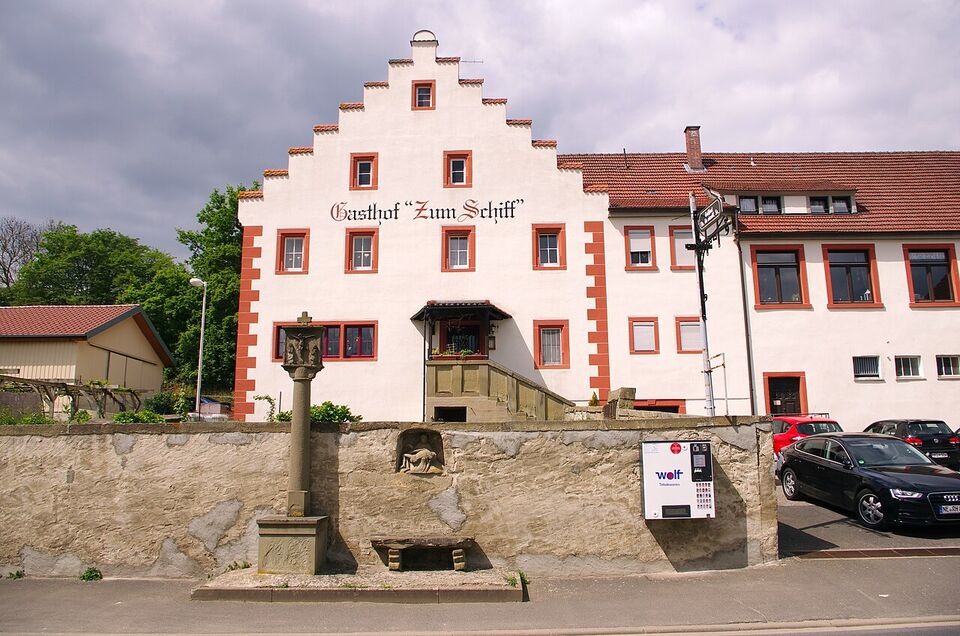
Gasthof and Gasthaus
A country inn with a restaurant downstairs. Many close one day a week (Ruhetag) and may have limited check-in hours on that day. Great for regional food and for small towns on the Romantic Road.
Castle hotel
Schlosshotel or Burghotel rooms in castles, manors and fortresses. Rooms vary in size and age, and there is often no elevator. Book early for weekends. See castles for ideas.
Farm stay
Urlaub auf dem Bauernhof means a holiday on a working farm: apartments or rooms, often with animals and a breakfast of farm products. Many want a minimum stay of two or more nights, and a car helps.
Apartment
A Ferienwohnung suits families and stays of four nights or more. See the short-term rental rules below.
Hostel and DJH
Private hostels have dorms and private rooms. The Jugendherbergen of the DJH network are open to all ages, with family rooms in many locations, and breakfast is usually included. Check prices per bed and any membership surcharge.
Apartments and the short-term rules
Many German cities restrict renting out whole homes to visitors, because of housing shortages. Berlin, Hamburg, Munich and others require hosts to register or limit the number of nights per year. Legitimate listings often show a registration number. If a host asks you to say you are a friend, or to avoid neighbors, walk away: a city can fine hosts, and your stay can be cancelled at short notice.
Apartments make sense for long stays, for families who want a kitchen and a washing machine, and for places where hotels are scarce. You are responsible for local rules such as quiet hours (Ruhezeiten, usually 10 p.m. to 6 a.m. and all day on Sunday), trash sorting and a check-in time agreed in advance.
Prices by city
Hotel prices swing widely with the season, day of the week and events. The table gives planning ranges for a standard double room per night in regular periods, before city tax and breakfast where listed separately. They are estimates from general market knowledge, not quotes, and we could not verify live rates for every city. Check your own dates.
| City | Budget (hostel or basic) | Mid-range | Upscale |
|---|---|---|---|
| Berlin | $ about €60 to €100 | $ to $$ about €100 to €180 | $$ to $$$ €200 and up |
| Munich | $ to $$ about €90 to €130 | $$ about €140 to €260 | $$$ €300 and up |
| Hamburg | $ about €70 to €110 | $$ about €110 to €200 | $$$ €250 and up |
| Cologne | $ about €70 to €110 | $$ about €100 to €180 | $$ to $$$ €220 and up |
| Frankfurt | $ about €70 to €110 | $$ about €110 to €200 (higher during trade fairs) | $$$ €250 and up |
| Small towns and villages | $ about €50 to €90 | $ to $$ about €80 to €140 | $$ €150 and up |
The tiers use your dollar cost: a €100 room is about $112 and a €150 room about $168. In euros the $ tier ends near €107 and the $$$ tier begins near €268.
Save money
Midweek, off-season stays and smaller towns cost much less than weekends in big cities. Prices drop in January and February outside ski areas. A Pension or a DJH family room can cut a family's room cost in half.
City taxes
Many German cities add a tax on overnight stays, often called a Bettensteuer or culture tax. It is sometimes included in the price shown online, and sometimes added at checkout, so read the fine print. As of 2026:
| City | Tax | Example |
|---|---|---|
| Berlin | 7.5% of the net room price (business stays are taxed too) | €150 net room: about €11.25 per night (about $13) |
| Cologne | 5% of the gross price | €150 room: €7.50 (about $8) |
| Hamburg | Per guest per night, tiered by the net room price: nothing up to €10, from €0.60 up to €4.80 for rooms up to €200, then €1.20 more per extra €50 | A €250 net room: €6.00 per guest (about $7) |
| Frankfurt | €2.00 per person per night | Two people, 3 nights: €12 (about $13) |
| Dresden | 6% of the gross price | €100 room: €6 |
| Heidelberg | €3.50 per person per night | Two people, 2 nights: €14 (about $16) |
| Munich | None in 2026 | The city voted for a 5% tax but Bavaria blocked it |
Other cities, such as Stuttgart and Düsseldorf (€3.00 per person per night) and Leipzig (5% of the gross price), also charge one. Rates come from a 2026 tax-payer compilation and city pages, so confirm your city before you budget. Hamburg's tax is charged per guest and per night on the net room price, and business stays are taxed too; the tiers are published on hamburg-tourism.de.
Breakfast culture
German breakfast (Frühstück) is big. A hotel buffet typically offers rolls (Brötchen), dark bread, butter and jam, cold cuts and cheeses, boiled eggs, muesli and yogurt, fruit, coffee, tea and juice. Hot items such as scrambled eggs, sausage or bacon often appear. It is a meal worth eating, since lunch can be late.
When you book, check "Frühstück inklusive" (breakfast included). Some rates are room-only, and buffet breakfast can cost €15 to €30 per person at city hotels. A bakery or a café down the street is usually cheaper and good. A Pension nearly always includes breakfast in the room price.
Room quirks Americans notice
- No air conditioning. Many hotels, especially older buildings and small family places, have none, although summer heat waves are getting more frequent. If you travel in July or August, filter for air conditioning, and ask directly. Without it, request an upper floor away from the street, or a fan.
- Twin beds pushed together. A "double" is often two single mattresses side by side with a gap, each with its own duvet. If you want one large bed, ask for a Doppelbett with a single mattress or a "queen" and confirm when booking.
- Small rooms and elevators. City rooms can be compact, and some older buildings have small or no elevators. Ask if you have heavy luggage.
- Windows. Many tilt open at the top (Kippfenster) or swing fully. Quiet hours matter, and thick curtains or shutters are common.
- Bathrooms. Showers are common, and bathtubs less so. Washcloths are rare in budget hotels; bring one if you use them.
- Registration. Hotels ask guests for passport details and a signature on a registration form. This is routine.
Different from home
Tipping at hotels is modest: rounding up or leaving a few euros for housekeeping or a bellhop is plenty. See money for tipping and cash.
Check-in, check-out and arrival
Check-in is usually from 2 or 3 p.m., and check-out is by 10 or 11 a.m. If you arrive early, hotels can often hold your bags. Small guesthouses and farm stays may have fixed reception hours, and some have no staff in the evening. If you will arrive after about 8 p.m., write to them in advance, and they will usually send you a door code or leave a key. Gasthof owners may close on their Ruhetag.
Small places often prefer cash or a European debit card and may not take American Express or even Visa. Bring some euros (see money). Cancellation rules are strict on discounted rates, so choose a free-cancellation rate if your plans may shift.
If you arrive by train, search hotels near the Hauptbahnhof (main station) for a late arrival or early departure. The area around some main stations is busy and a little rough at night, so look at the street, not just the hotel rating. Use safety for general advice.
Best areas in five cities
Berlin
Mitte puts you close to Museum Island and the Brandenburg Gate. Prenzlauer Berg is calm, with cafes and cobbled streets. Charlottenburg has older grand buildings and shopping on the western side. Kreuzberg and Friedrichshain have nightlife, restaurants and lower prices, with more noise. Near the Hauptbahnhof is practical for train travel. See Berlin.
Munich
The Altstadt is the most central and the most expensive. Maxvorstadt is near the museums and university. Glockenbachviertel has cafes and a lively evening scene. Haidhausen is residential, with good transit. The streets near the Hauptbahnhof are handy, but some blocks are rough at night. See Munich.
Hamburg
Altstadt and HafenCity are near the harbor and the Elbphilharmonie. St. Georg is by the main station with good restaurants, and parts of it are gritty. St. Pauli is lively and loud around the Reeperbahn. Sternschanze and Eimsbüttel are neighborhoods with cafes and a quieter feel. See Hamburg.
Cologne
Altstadt-Nord is steps from the cathedral and the train station. The Belgisches Viertel has boutiques and cafes. Deutz, across the Rhine, can be cheaper and has views of the skyline. See Cologne.
Frankfurt
The Innenstadt and Altstadt are central. Westend is leafy and quiet. Sachsenhausen has apple-wine taverns across the Main. The Bahnhofsviertel near the main station is convenient, with a visible drug scene on some blocks, so look carefully at the street. Trade fairs push prices up. See Frankfurt.
How to book
Most travelers compare on a booking site and then check the hotel's own website, where the price is sometimes the same or lower and the cancellation terms are clearer. Smaller Pensions and farm stays often take bookings only by email or phone, or through a regional tourist office, so search the town's tourism site if you cannot find a place online. A reply in English is normal in cities and common elsewhere.
A few rules keep surprises away:
- Choose a free-cancellation rate until about a month before you travel, then decide.
- Check the total, including city tax, breakfast and any parking fee, before you pay.
- Confirm the bed type (one large bed or two singles), air conditioning and elevator if they matter to you.
- Send your arrival time, especially for arrivals after 8 p.m. or on a Sunday.
- Save the address in German and the phone number, since taxi drivers and station staff will ask.
- Keep a screenshot of the confirmation with the cancellation terms.
How many nights per place is your call, but two to three nights in each big city is a common pattern. Moving every night uses up the day in packing and train stations. If you will use a rental car, choose lodging with parking (see driving in Germany), and if you will use trains, stay within walking distance of the station or a direct S-Bahn line (see getting around).
Families, groups and long stays
Families have several good options. Family rooms for three or four people exist in many hotels and nearly every DJH hostel, and an apartment gives you a kitchen and a separate sleeping space for children who go to bed early. Cribs are usually free on request, but ask at booking. Children's ages may change the price: some hotels let children under a certain age stay free in a parent's room, and others charge a fixed supplement. Read the policy.
For groups of friends, apartments and Gasthof rooms split the cost well. For stays of a week or more, an apartment often beats a hotel on price per person. Stays that run longer than a few months involve registration and other rules, covered in the long stays guide.
Travelers who need step-free access should write to the hotel before booking and ask about the elevator size, step-free entrances and bathroom layout, since older buildings and castles are often hard to adapt. In big cities, newer chain hotels tend to have accessible rooms, but the exact features differ, so do not rely on a website's icon alone.
Oktoberfest and Christmas market pricing
Two periods break the normal price rules. During Oktoberfest, hotel rates in and around Munich can rise to several times normal, minimum stays apply and the best rooms sell out many months ahead. The 2026 festival ended on October 4 with a provisional record of about 7.4 million visitors. The 2027 Oktoberfest runs September 18 to October 3, 2027. Book as early as the hotels allow, with free cancellation, or stay in a nearby city such as Augsburg or Nuremberg and take the train (see Oktoberfest).
Christmas-market weekends are the second squeeze. Munich's Marienplatz market runs November 20 to December 24, 2026, and Nuremberg's Christkindlesmarkt runs November 27 to December 24, 2026. Small towns have few rooms, and weekends fill first. Book two to three months ahead for weekends, and consider weekdays (see Christmas markets). Trade fairs in Frankfurt, Munich, Cologne and Düsseldorf can do the same at other times, so check the fair calendar for your dates.
Watch out
Do not assume a low price online includes the city tax or breakfast. Read the total at checkout and the cancellation terms, and keep your confirmation in case of a dispute.
Add it to a route in the trip builder, or ask us to plan the hotels, trains and guides for you.