How to use this hub
This page is the map room for the Germany guide. The map at the top of the page shows where each destination sits, and the cards below say what each place is, how far it is by train from Berlin, Munich and Frankfurt, and how many days to give it. Each card links to a full guide.
Germany is not a country where you "do" one city and drive to the next. It has no single center. Berlin is the capital, Frankfurt is the airport and finance hub, Munich is the Bavarian capital and gateway to the Alps and castles, and Hamburg is the port. Regions such as the Rhine and the Black Forest are about landscape and towns more than one big city.
If you are just starting, read Plan Your Trip to Germany for sample routes and Berlin vs Munich if you are choosing between the two big cities. The Trip Builder will turn your days and interests into a route.
Different from home
Germany covers about 138,000 square miles (357,000 sq km), a little less than Montana, but with about 84 million people and a dense rail network. Distances feel short, and fast trains make a one-way trip of three to five hours normal. Plan on a train day as a half day, not an afternoon.
Cities and the south
Berlin
The capital: the Wall and Cold War sites, the Reichstag dome, Museum Island, big parks and a long nightlife. The Pergamon Museum is closed for renovation and is scheduled to reopen in June 2027. Also see Berlin Sights and Day Trips from Berlin.
Munich
Beer halls, the Residenz and Marienplatz, big museums, and a base for the Alps and castles. The next Oktoberfest runs September 18 to October 3, 2027 (see Oktoberfest). Munich has no overnight tax at present.
The Bavarian Alps
Garmisch-Partenkirchen and the Zugspitze, Berchtesgaden and the Königssee, Oberammergau. Mountain trips depend on weather and lift schedules. The Eagle's Nest above Berchtesgaden was badly damaged by fire in October 2026 and is closed.
The Romantic Road
A string of walled towns from Würzburg through Rothenburg, Dinkelsbühl and Nördlingen to Füssen, near Neuschwanstein. Best by car, but workable with trains and the local bus.
Nuremberg
An imperial castle and old town, the Nazi Party Rally Grounds and its Documentation Center, bratwurst and the Christmas market (November 27 to December 24, 2026). A short stop between Munich and Berlin or Frankfurt.
The west and southwest
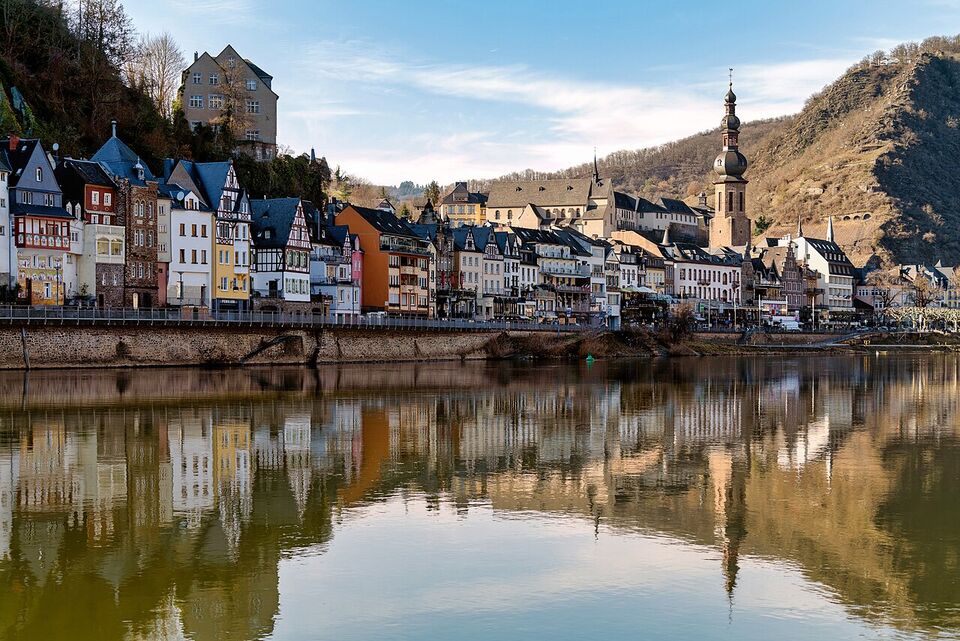
The Rhine and Moselle
Castles, vineyard slopes, wine villages, Burg Eltz and river boats. The scheduled Rhine boats ended for 2026 on October 25 and 2027 dates were not out when we checked. Water levels in the Rhine hit record lows in August 2026.
Cologne
A cathedral that now charges €12 (about $13) for entry, Kölsch beer halls, museums and a big carnival (Rosenmontag is February 8, 2027). Düsseldorf and Aachen are easy side trips.
Frankfurt
The main gateway for flights from the US. A small old town, a museum embankment, apple-wine taverns and a skyline. Enough for a long layover; a base for Heidelberg, the Rhine and the Romantic Road.
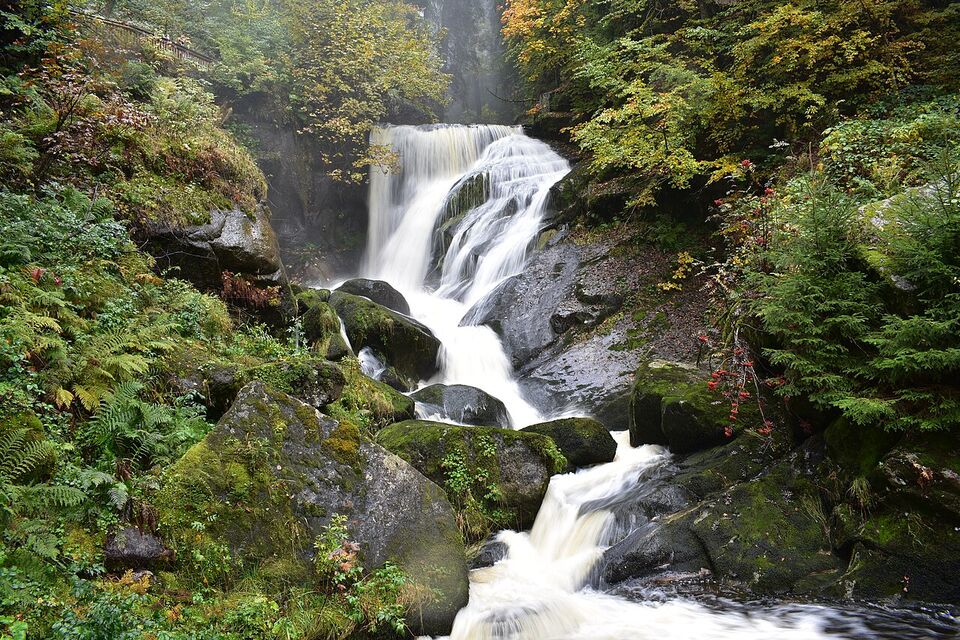
Heidelberg and the Black Forest
A castle ruin and student town, Baden-Baden's thermal baths, Freiburg, Titisee and Triberg. Heidelberg Castle's ticket is €11 (about $12) until the end of 2026 and €12 (about $13) from January 2027.
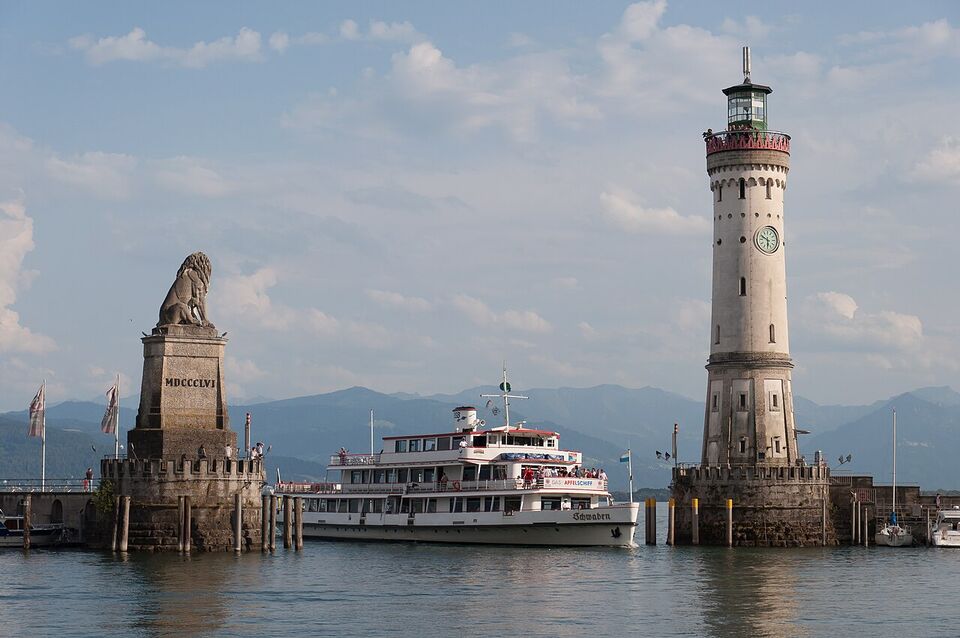
Lake Constance
Lindau, Meersburg, Konstanz, the flower island of Mainau and boats to Austria and Switzerland. A summer place: scheduled boats run only from April to mid-October.
The north and east
Hamburg
A harbor city with the Elbphilharmonie, Miniatur Wunderland and the St. Pauli district. Berlin-Hamburg trips may take longer at times in 2027 because of track work near Berlin-Spandau.
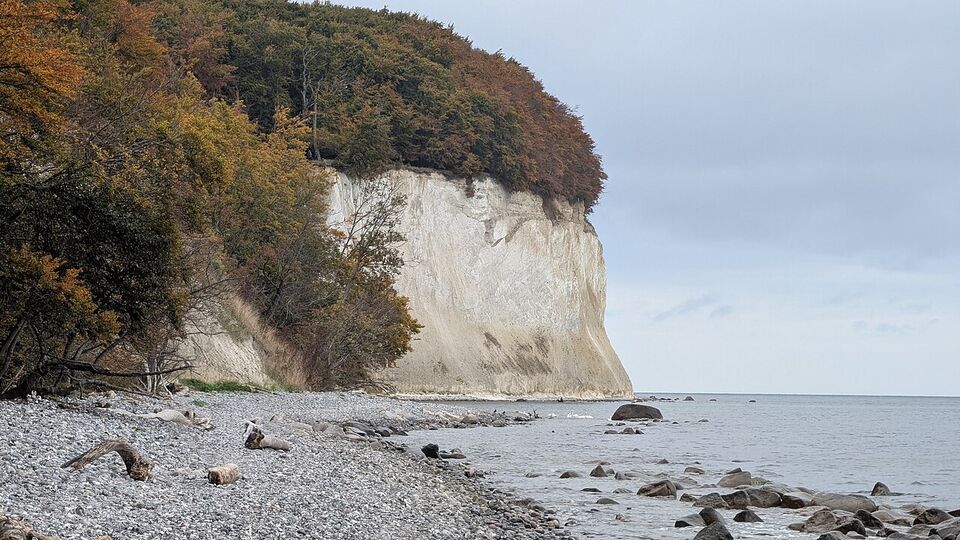
The North Sea and Baltic Coast
Lübeck's old town, Rügen's chalk cliffs, the Hanseatic towns, Sylt and the Wadden Sea mudflats. A summer and early-autumn region, best with a few days in one place.
Dresden and Saxony
The rebuilt Frauenkirche, the Zwinger, the Green Vault (timed tickets), Meissen porcelain, Saxon Switzerland and Leipzig. The Striezelmarkt runs November 25 to December 24, 2026.
Weimar, the Wartburg and the Harz
Weimar and the Bauhaus, Erfurt's old town, the Wartburg where Luther worked, Quedlinburg and the Harz, and the Buchenwald memorial. Best for history lovers and travelers heading between Berlin and Frankfurt or Munich.
Times are rounded for the fastest typical ICE connection, include a change where one is usual, and can shift by 15 to 30 minutes. Check Deutsche Bahn for your date. Rail works change times, so rely on the journey planner, not on this page, for exact departures.
Big hubs and rail times
| Route | Typical fast-train time | Notes |
|---|---|---|
| Berlin to Munich | About 4.5 hr | The classic pairing; hourly or more frequent trains |
| Berlin to Frankfurt | About 4.5 hr | Hourly ICE; Sprinter trains are cancelled during Frankfurt-Erfurt works in 2027 |
| Munich to Frankfurt | About 3.25 to 3.5 hr | Frequent ICE service |
| Berlin to Hamburg | About 1 hr 45 min | May be longer at times in 2027 because of work near Berlin-Spandau |
| Munich to Hamburg | About 5.5 to 6 hr | New Sprinter from December 13, 2026 takes about 5 hr 20 min |
| Berlin to Cologne | About 5.5 hr | Rerouted via Braunschweig and Magdeburg until December 2027, about 80 minutes longer than normal |
| Berlin to Dresden | About 2 hr 10 min | Direct trains most of the day |
| Frankfurt to Cologne | About 1 hr 10 min | Frequent ICE service |
Watch out
The Hannover-Berlin high-speed line is closed for renovation until December 2027, which adds roughly 80 minutes to Berlin-Cologne and Berlin-Düsseldorf trips, with trains running via Braunschweig and Magdeburg instead. Build slack into any trip that depends on a tight connection, and always check bahn.de before you buy.
For ticket types, advance fares and seat reservations, see German Train Tickets and Passes. For everything about how trains, buses and city transit work, see Getting Around Germany. Germany's trains run late often: a simple average of Deutsche Bahn's monthly long-distance figures for January to October 2026 comes to about 57 percent of trains and 61 percent of passengers on time, so leave extra time before flights.
Save money
For regional trips, the Deutschlandticket (€63 a month in 2026, about $71; €66.80, about $75, from January 1, 2027) covers regional trains, S-Bahns, trams and buses across Germany, but not ICE or IC trains. It can beat single tickets if you will ride regional lines most days for a month. For a short trip, day and group tickets are usually the better deal.
Choosing by trip type
A first trip
Most first-time visitors want a mix of big cities, castles and a bit of countryside. The usual spine is Berlin, then a fast train to Munich, with Neuschwanstein as a day trip from Munich (an adult ticket is €21, about $24, plus a €2.50 fee, about $3, when booked online). Add the Romantic Road, Nuremberg or Frankfurt on the way. See Neuschwanstein Castle and Munich Sights.
Castles and fairy-tale towns
The Romantic Road, Heidelberg, the Rhine castles and the Wartburg give the densest mix of castles per mile. Combine the Rhine with Heidelberg and the Romantic Road on a loop from Frankfurt. See Castles and Palaces in Germany.
History and memory
Berlin (the Wall, Topography of Terror, Sachsenhausen), Nuremberg (the Rally Grounds and the trials courtroom), Dresden, Weimar and Buchenwald, and Hamburg's emigration museum together tell the 20th-century story. See History Sites in Germany for how to visit with care.
Christmas markets
The 2026 big four are Nuremberg (November 27 to December 24), Dresden (November 25 to December 24), Munich (November 20 to December 24) and Cologne (the cathedral market runs November 16 to December 23). Rothenburg and Heidelberg are smaller and quieter. Many close by December 23, so plan to be elsewhere on Christmas Day, when almost everything is shut. See Christmas Markets in Germany and Germany in December.
Outdoors
The Bavarian Alps, the Black Forest, Lake Constance and Saxon Switzerland are the main outdoor regions. See Hiking, Cycling and the Outdoors for trails, hut etiquette, bikes on trains and the rules on camping.
Wine, beer and rivers
The Rhine and Moselle for Riesling and river views, Würzburg and Franconia for wine, Cologne for Kölsch, Munich and Bavaria for beer halls. See Beer and Wine in Germany.
Coast and water
Hamburg, the North Sea and Baltic coast, and Lake Constance work best from late spring to early autumn. Hamburg and Lübeck are fine in winter, but beach towns largely shut down. See The North Sea and Baltic Coast.
Putting it together: three sample routes
- 7 days
Berlin and Munich
Three nights in Berlin, a morning train to Munich, three nights there with a Neuschwanstein day trip. Easy to book, easy to fly in and out of (see Flights to Germany).
- 10 days
Frankfurt, the Rhine and Bavaria
Arrive in Frankfurt, then two nights on the Rhine, one in Heidelberg, one in Rothenburg on the Romantic Road, and three in Munich with a castle day. Fly home from Munich.
- 13 nights
North to south loop
Berlin (3), Dresden (2), Nuremberg (1), Munich (3), Lake Constance (2), Heidelberg (1) and Frankfurt (1) for the flight home. This is a lot of trains, so keep one-night stops to places where you only want a few hours.
Insider tip
Book an open-jaw flight: into one city, out of another (for example, into Frankfurt and out of Munich, or into Berlin and out of Frankfurt). It saves a full day of backtracking. Check airline schedules for your season, since nonstop routes to Berlin and Munich change by season.
Best months and dated events by destination
| Destination | Best months | Dated events and seasonal limits |
|---|---|---|
| Berlin | May-September; December for markets | Berlinale February 10-21, 2027; Christmas markets from mid-November |
| Munich | May-October; December | Oktoberfest September 18-October 3, 2027; Christmas market November 20-December 24, 2026 |
| Bavarian Alps | June-early October; December-March for skiing | Zugspitze winter ticket prices start November 27, 2026 |
| Romantic Road | April-October; late November-December | Rothenburg's Reiterlesmarkt November 20-December 23, 2026 |
| Nuremberg | Year-round | Christkindlesmarkt November 27-December 24, 2026 |
| Rhine and Moselle | April-October | 2026 KD boats ran March 28-October 25; Rhine in Flames 2027 begins July 3 at Bingen-Rüdesheim |
| Cologne | Year-round | Carnival: Weiberfastnacht February 4, 2027, Rosenmontag February 8 |
| Heidelberg and Black Forest | May-October; December | Heidelberg Christmas market November 23-December 22, 2026 |
| Lake Constance | June-September | Scheduled boats run April-mid-October only |
| Hamburg | May-September | Winterdom November 6-December 6, 2026; Sommerdom July 23-August 29, 2027 |
| North coast | June-September | Beach towns and ferries are quiet in winter |
| Dresden and Saxony | April-October; December | Striezelmarkt November 25-December 24, 2026 |
| Weimar and the Harz | April-October | Mountain railways and castles may run reduced winter hours |
Dates are for the years shown and come from the cities' own event pages. Some festival dates for 2027, such as Munich's spring festival, had not been announced when we checked.
Common routing mistakes
The most common mistake is trying to see too much. A one-night stop in a city means a train in the morning, a rushed afternoon and a train the next morning, and the net result is about four hours of sightseeing. If you can, give each base at least two nights, and use day trips for the rest. A good rule of thumb is no more than four bases in ten days.
The second mistake is ignoring the weekday. In Germany, most shops close on Sundays and public holidays, many museums close on Mondays, and small-town restaurants often close one or two days a week. Check before you plan your one free day in a village. The third is counting on card payments in small places; keep some euros on you. And the fourth is booking the first and last day with no buffer: a delayed train or a strike can cost a flight. Take the train to the airport the day before a long-haul departure if you can.
Two more things trip up first-timers. Seats on the busiest trains sell out on Fridays, Sundays and holidays, so reserve a seat (see German Train Tickets and Passes). And Germany's land borders have temporary controls, so carry your passport on any trip that crosses into a neighboring country, including a day trip to France, Austria or Switzerland (see Germany and Its Neighbors).
Seasons, closures and what to check
Different regions peak at different times. Cities such as Berlin, Munich and Hamburg work all year. The Alps, the Black Forest high roads and the lakes are best from late May to early October. Christmas markets run from mid-November to December 23 or 24. Winter is quiet and cheap, with short days, and a good time for museums and thermal baths. See When to Go to Germany for weather and holidays.
Three practical things to check for any destination: Sunday and holiday closings (most shops shut, see Money in Germany), seasonal attractions (boats, cable cars, gardens, castles), and overnight taxes, which are charged in many cities (Berlin 7.5% of the net price, Cologne 5%, Frankfurt €2 and Heidelberg €3.50 per person per night, and none in Munich at present). For lodging, see Where to Stay in Germany. Entry rules and money basics are in Entry Requirements for Americans.
Add it to a route in the trip builder, or ask us to plan the hotels, trains and guides for you.