Is February worth it?
Yes, for the right trip. February 2027 gives you two things that no other month does: the Rhineland carnival in the first week and the Berlinale film festival from February 10. Around them you get winter prices, short lines at museums and the last good weeks of the ski season. It is still a cold, gray month, with sunset before 5:30 p.m. for most of it, so plan indoor days and layers.
It is not the month for river cruises, castle gardens or beer gardens, and the Alps are best seen on skis or from a cable car rather than on foot. If you are still choosing a month, our when to go guide compares the whole year. This page covers carnival, the Berlinale, skiing, museums, weather, prices and what to pack. For the weeks around it, see Germany in January and Germany in March.
Carnival: February 4-10, 2027
Carnival (Karneval in the Rhineland, Fasching in Bavaria, Fastnacht or Fasnet in the southwest) is the biggest street party of the German year. The street days in 2027, according to the Cologne city portal, run from Weiberfastnacht on Thursday, February 4 to Ash Wednesday on February 10.
| Day | Date in 2027 | What happens |
|---|---|---|
| Weiberfastnacht (Women's Carnival Thursday) | February 4 | Street carnival usually opens in the morning, with costumes in the streets |
| Rosenmontag (Rose Monday) | February 8 | The largest parades; many shops and offices close or shorten hours |
| Veilchendienstag / Faschingsdienstag (Shrove Tuesday) | February 9 | Quieter parades in smaller towns; Munich's market-women's dance |
| Aschermittwoch (Ash Wednesday) | February 10 | Carnival ends; traditionally a fish meal |
Cologne, Düsseldorf and Mainz
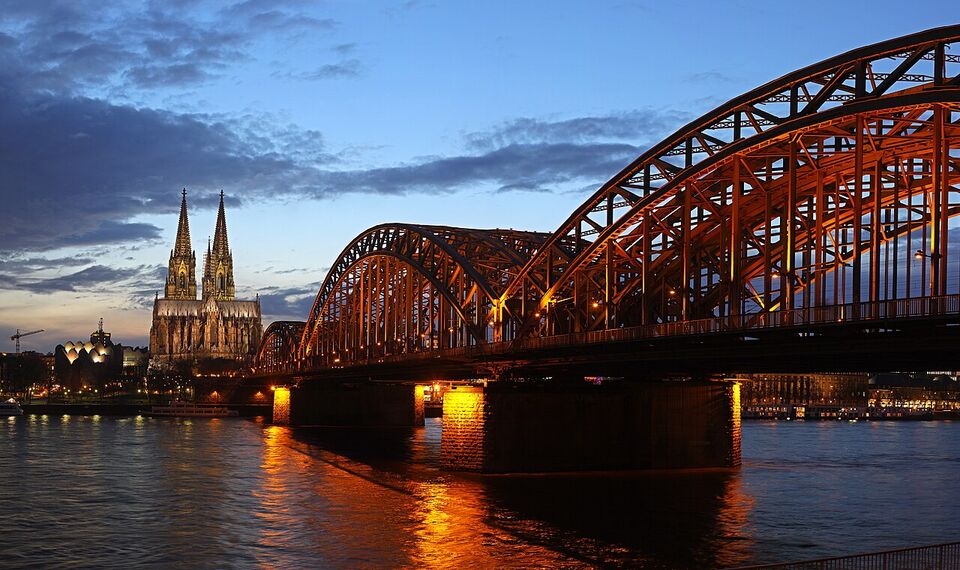
These three cities are the main stages. Cologne's greeting is Alaaf; Düsseldorf and Mainz say Helau. Düsseldorf's Rosenmontag parade is listed on the city's tourism site for February 8, 2027, and runs about 3 miles (5 km) through the center; we could not confirm the start time or streets, so check visitduesseldorf.de. Mainz and Cologne also hold parades that day, and our Cologne guide has the carnival basics. Many neighborhoods usually hold smaller parades on the weekend before Rosenmontag; look for dates on each city's website.
Expect crowds in costume, beer or Kölsch in every bar, and parade floats that throw candy (Kamelle) and flowers into the crowd. Trains on Weiberfastnacht and Rosenmontag are packed, and city centers are busy from the morning. Locals treat it as a family event by day and a street party at night.
Watch out
Carnival hotels sell out months ahead and rates rise sharply. If you cannot get a room in Cologne, Düsseldorf or Mainz, stay in a nearby town and take the regional train, and book the return early. Pickpockets work crowds, so carry only a phone, a card and some cash in a zipped inside pocket. Our safety guide has more.
Munich, the south and the southwest
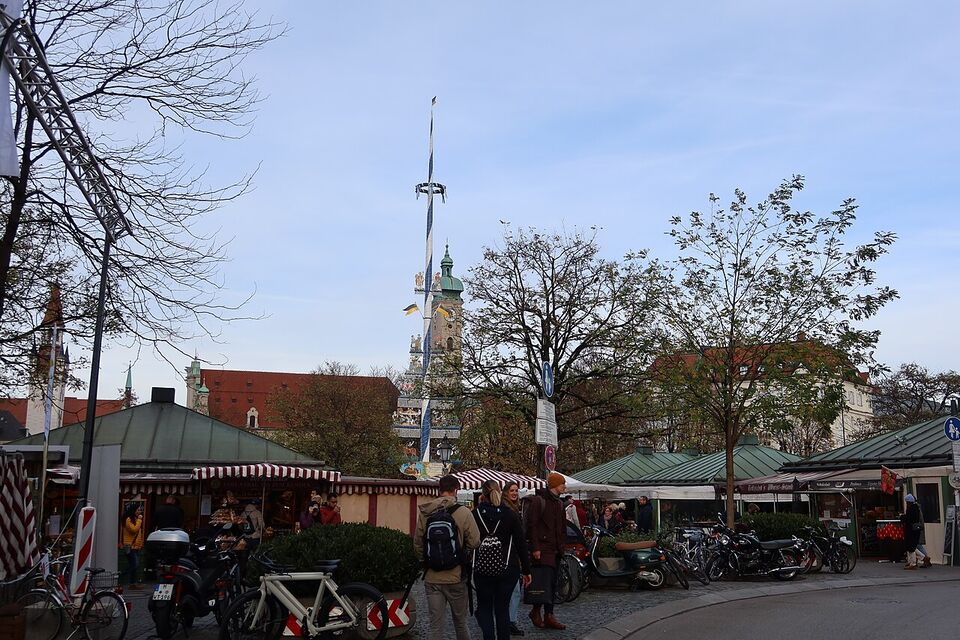
Fasching in Munich is gentler. The city's event pages list the street Fasching finale, München narrisch, for February 7-9, 2027 at Marienplatz and Stachus, and the market-women's dance (Tanz der Marktweiber) at the Viktualienmarkt on Shrove Tuesday, February 9, planned for the day with the dance on stage around 11 a.m. and free entry. Both are listed as planned, so check muenchen.de before you go. In the Black Forest and around Lake Constance, the Swabian-Alemannic Fasnet has wooden masks, whips and parades in small towns; parade dates vary by town, so use each town's website.
Different from home
This is not Mardi Gras in New Orleans. It is run by neighborhood carnival clubs that hold sessions of satire, music and costume all winter, and it grew out of the Catholic calendar before Lent. Street drinking is normal in the evening. If you do not like crowds, spend February 4-10 in a city with no carnival, such as Berlin, Dresden or Hamburg. More festivals are on our festivals page.
The Berlinale, February 10-21
The Berlin International Film Festival is open to the public, not just industry guests. The 77th edition runs from Wednesday, February 10 to February 21, 2027, one day earlier than before. The festival has announced audience days on February 20 and 21 and, according to Berlin's tourism site, the awards ceremony on Friday, February 19.
We could not confirm when 2027 tickets go on sale or what they cost, so check the official site, berlinale.de, in January. The festival sold about 350,000 tickets in 2026, and popular screenings go quickly, so be at your screen when the sale opens. Screenings are spread over cinemas around the city, and you will use the U-Bahn and S-Bahn between them. Films are usually shown in the original language with English subtitles, but check each listing.
Hotels in Berlin cost more during the festival, and the city levies an accommodation tax (see the note on city taxes in our January page). For sights, food and neighborhoods, see our Berlin guide.
Skiing and winter sports
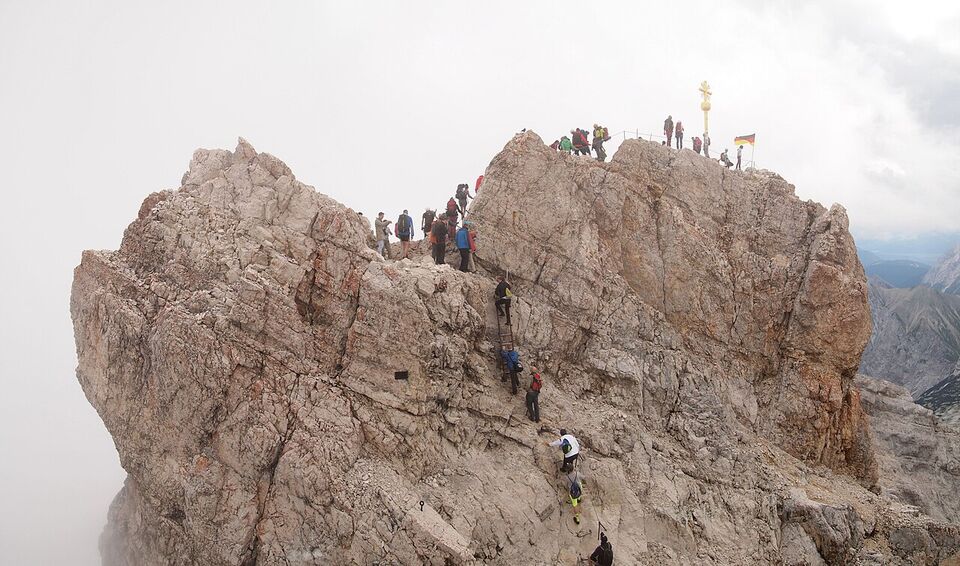
February is a good month for skiing in the Bavarian Alps. Snow is usually more reliable than in December, and school holidays in some German states (check the state calendars) bring crowds on weekends. For winter 2026/27 the Zugspitze one-day ticket is €70.50 (about $79) online or €78 (about $87) at the ticket office, and Garmisch-Classic is €69 (about $77) online or €72 (about $81) on site. The Zugspitze ski season is expected to run to May 2, 2027. Berchtesgaden sells multi-day lift cards: 3 days for €102 (about $114), 6 days for €190 (about $213).
Munich to Garmisch-Partenkirchen is about 90 minutes by regional train. Book lessons and rentals ahead for weekends, check the snow report the week before, and read our Bavarian Alps guide for getting around. If you plan other cold-weather days, such as sledding, snowshoeing or a spa, see our outdoors guide.
Insider tip
Weekday ski days are quieter and the lifts are less busy. If you rent a car for the mountains, it should have winter tires with the Alpine symbol (three-peak mountain with a snowflake), which are the only ones that count as winter tires in Germany. Rental cars normally comply, but ask at pickup.
Museums, opera and indoor days
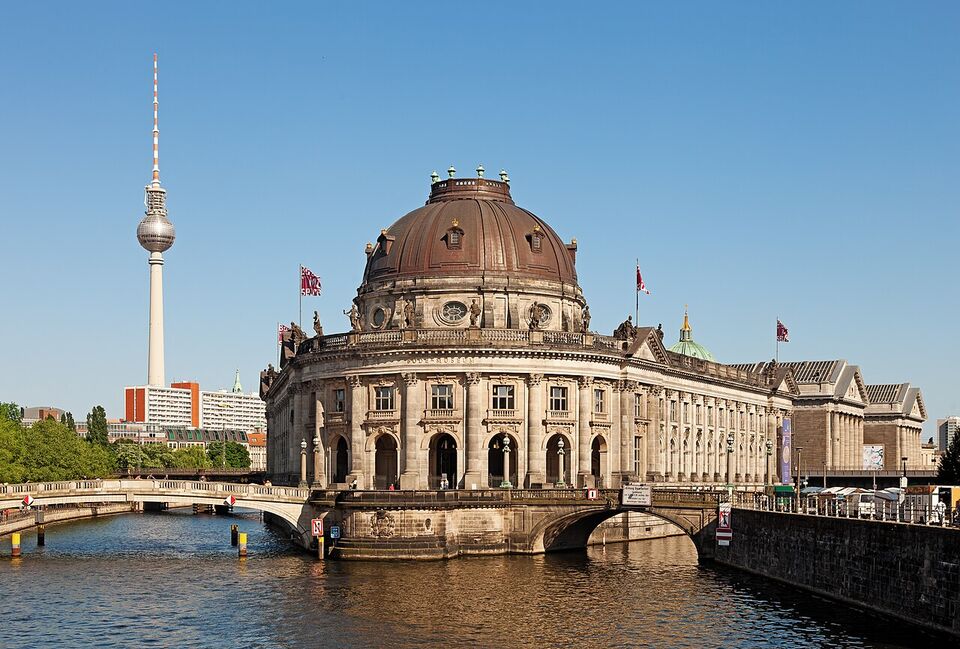
Winter is the best season for museums because lines are short. The Berlin Museum Island ticket is €24 (about $27) for one day and covers the Alte Nationalgalerie, Altes Museum, Bode-Museum, Neues Museum and others. The Pergamon Museum is closed for renovation; the museum's press release says it reopens on June 4, 2027 (one ticket page showed July 4, so verify). Most Berlin museums close on Mondays; the Neues Museum, for example, is open Tuesday to Sunday.
- Deutsches Museum, Munich: €18 (about $20), daily 9 a.m. to 5 p.m.; check which sections are open.
- Munich Residenz: combined ticket €15 (about $17).
- DDR Museum, Berlin: €13.90 (about $16), daily 9 a.m. to 9 p.m.
- Cologne Cathedral: entry for sightseeing is €12 (about $13) since July 1, 2026; the tower is open 9 a.m. to 4 p.m. from November to February and 9 a.m. to 6 p.m. from March (last entry 30 minutes before closing).
- Elbphilharmonie Plaza, Hamburg: €5 (about $6) booking fee, open daily 10 a.m. to midnight. Concert tickets sell out ahead.
The opera houses and orchestras in Berlin and Munich run full seasons in February. Our guides to Berlin and Munich list the main sights. Memorial sites such as Sachsenhausen are open in winter with shorter hours (8:30 a.m. to 4:30 p.m. until March 30, 2027) and are largely outdoors, so dress warmly.
Weather, daylight and what to wear
February is still winter. Averages for 1991-2020 show the range across the main cities:
| City | Average high | Average low |
|---|---|---|
| Berlin | 41°F (5°C) | 29°F (-2°C) |
| Munich | 42°F (6°C) | 29°F (-1°C) |
| Hamburg | 41°F (5°C) | 31°F (0°C) |
| Frankfurt | 44°F (7°C) | 33°F (0°C) |
| Cologne | 45°F (7°C) | 32°F (0°C) |
| Dresden | 40°F (5°C) | 29°F (-2°C) |
A cold spell can keep highs near freezing for days, and a mild one can bring highs in the 50s°F (10°C+). Rain, drizzle or snow falls on about half the days. Daylight grows fast: by our own calculation for Berlin, sunrise to sunset is about 9 hours on February 1 (7:49 a.m. to 4:50 p.m.) and about 10.5 hours on February 28 (6:57 a.m. to 5:41 p.m.). These are estimates, so check a sunrise table for your city.
Wear layers, a warm waterproof coat, a hat and gloves, and shoes with grip for cobblestones that freeze at night. Indoors, buildings are well heated, so you will add and remove layers often. Our packing guide has a full list. For carnival, bring a hat, scarf or simple costume; it is not required, but you will feel less out of place.
Prices, crowds and money
Outside carnival and Berlinale days, February is among the cheapest months for hotels and flights, and last-minute rooms are easier to find, except in trade-fair weeks. Prices go up in carnival cities for February 4-10, in Berlin during the festival and in ski towns on weekends. City taxes still apply on hotel stays, so compare the final price. See our budget guide for daily costs.
Retailers are still clearing winter stock in early February, with signs reading Sale, Reduziert or Schlussverkauf. Visitors from outside the EU can claim back VAT on a single purchase over €50 from one shop; our shopping guide explains how. Shops are closed on Sundays, so shop on Saturday.
Save money
Skip carnival week and the Berlinale weekends and you will pay winter rates in most cities. Advance train fares (Sparpreis) are easier to find when trains are less full; see our train tickets guide. If you travel on Presidents' Day weekend (Monday, February 15, 2027), book early, since many Americans take a long weekend.
Getting around in February
Trains run on the normal winter timetable, but snow and ice can cause delays, and rail works are planned for 2027. One that affects visitors: the Rosenheim-Salzburg line is closed for works from February 7 to July 9, 2027, with a reduced service via Mühldorf (three trains a day), so add time if you plan a Munich-Salzburg day trip. Check bahn.de or the DB Navigator app for the exact day.
During carnival, regional trains in the Rhineland, and the S-Bahn and trams in Cologne, Düsseldorf and Mainz are packed from the morning. Buy tickets in advance, leave extra time and avoid driving into the center, where streets are closed for parades. Germany is on standard time until March 28, 2027, so the time difference with the US is the usual six hours ahead of Eastern. Our getting around guide covers local transport.
Sample February plans
- Four days
Cologne carnival
Arrive Wednesday, February 3; watch Weiberfastnacht on February 4 and take a weekday to see the cathedral and museums. Leave before Rosenmontag if crowds are not for you, or stay for the parade on February 8. Book the hotel as soon as you know your dates.
- Five days
Berlinale and Berlin museums
Pick screenings when the program is out, add Museum Island (without the Pergamon), the Berlin Wall Memorial and a day in Potsdam if the weather is clear.
- Five days
Munich and the Alps
Two days in Munich (Residenz, Deutsches Museum, a beer-hall lunch), a ski day at Garmisch, and Fasching on February 9 at the Viktualienmarkt. If the date matters, confirm it with the city. Strong-beer season starts at some Munich venues on February 12; see Germany in March.
Add it to a route in the trip builder, or ask us to plan the hotels, trains and guides for you.