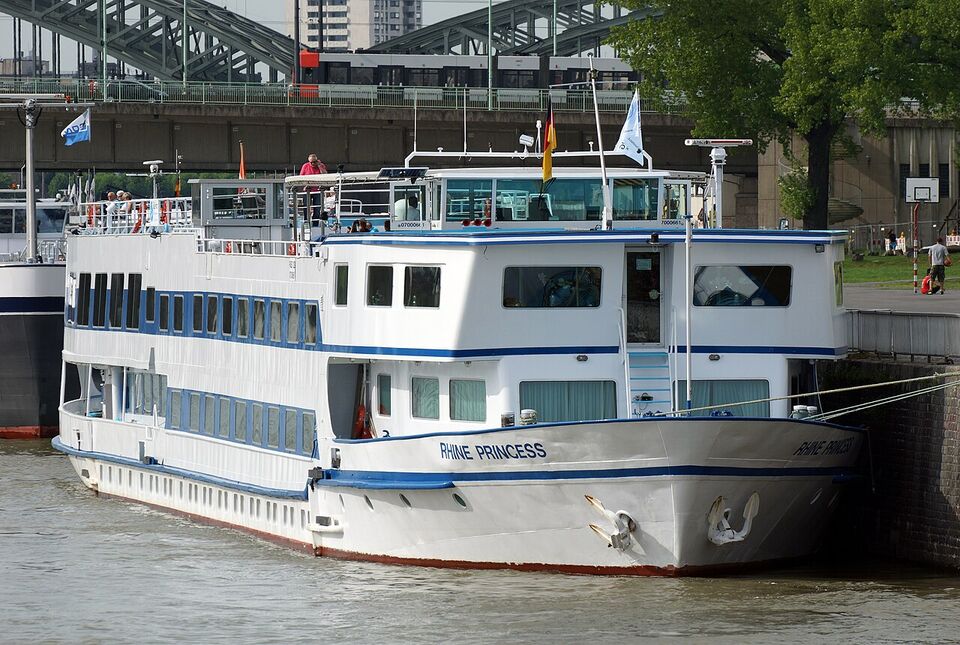
Overview
A river cruise is the most comfortable way to see several German cities without repacking. You unpack once, the ship moves at night or during lunch, and the guides, meals and walking tours are arranged. The trade-off is time: you usually get a few hours in each port, and your schedule depends on the water.
Germany has four main river cruise routes: the Rhine, the Main-Danube route, the Moselle and the Elbe. This guide explains what each one covers, what the fare includes, when to go, what low and high water mean for your trip, the German ports and what to do in each, the day boats you can use instead, and some tips for American travelers. For a do-it-yourself version of the Rhine, see our Rhine and Moselle guide.
Watch out
Water levels decide whether a cruise sails as sold. On August 10, 2026 the gauge at Kaub, the key point on the Middle Rhine, fell below 20 cm, the lowest ever recorded there, and on November 6, 2026 it read about 22 cm. Several lines rerouted trips or swapped ships in 2026. Treat the itinerary as a plan, not a promise.
The Main Routes
| Route | Typical length | What you see |
|---|---|---|
| Rhine: Amsterdam to Basel | 7 to 8 days | Cologne, the Rhine Gorge, Rüdesheim, Heidelberg or Speyer, Strasbourg, Basel |
| Main-Danube: Nuremberg to Budapest | 7 to 8 days | Regensburg, Passau, Melk, Vienna, Bratislava, Budapest; some trips start in Würzburg or Bamberg |
| Moselle | Often part of a Rhine trip | Koblenz, Cochem, Bernkastel, Trier on small ships |
| Elbe | 7 to 8 days | Dresden, Meissen, Wittenberg, Potsdam and Berlin, sometimes Prague |
Exact itineraries, lengths and ports vary by line and by year, and we have not verified any line's current schedule, so use these as a guide to what exists, not as a quote. For routes that start or end in Germany, you can often add a night before or after in Amsterdam, Basel, Nuremberg or Berlin; our flights guide shows which airports have US nonstops.
The Rhine
The Rhine route is the classic. It combines Cologne's cathedral, the castles and wine villages of the gorge, and then Strasbourg and Basel across the French and Swiss borders. The gorge itself is a short stretch, and a cruise passes it in an afternoon, often at lunch, so take your place on the sun deck early. Water level is the main risk here, because the Middle Rhine near Kaub is the shallow point.
The Main-Danube
This route links the Main and Danube through the Main-Danube Canal and so crosses Bavaria on a canal and through locks. It passes Bamberg, Nuremberg, Regensburg and Passau before entering Austria. It suits travelers interested in Bavarian cities, Vienna and Budapest, and has fewer castle views but more city time. Our guides to Nuremberg and the Romantic Road cover the German end.
The Moselle
The Moselle is narrow and winding, so it is served by smaller ships, often as a few days attached to a Rhine trip. Stops include Cochem, Bernkastel-Kues and Trier. It is the best choice for wine, and the least crowded of the major rivers.
The Elbe
Elbe cruises connect Berlin or Potsdam, Wittenberg, Meissen, Dresden and the Bohemian Elbe toward Prague. They have fewer American passengers than the Rhine and Danube. Water level also matters here, as the Elbe can run low in dry summers. Our Dresden and Saxony guide covers the Dresden stop.
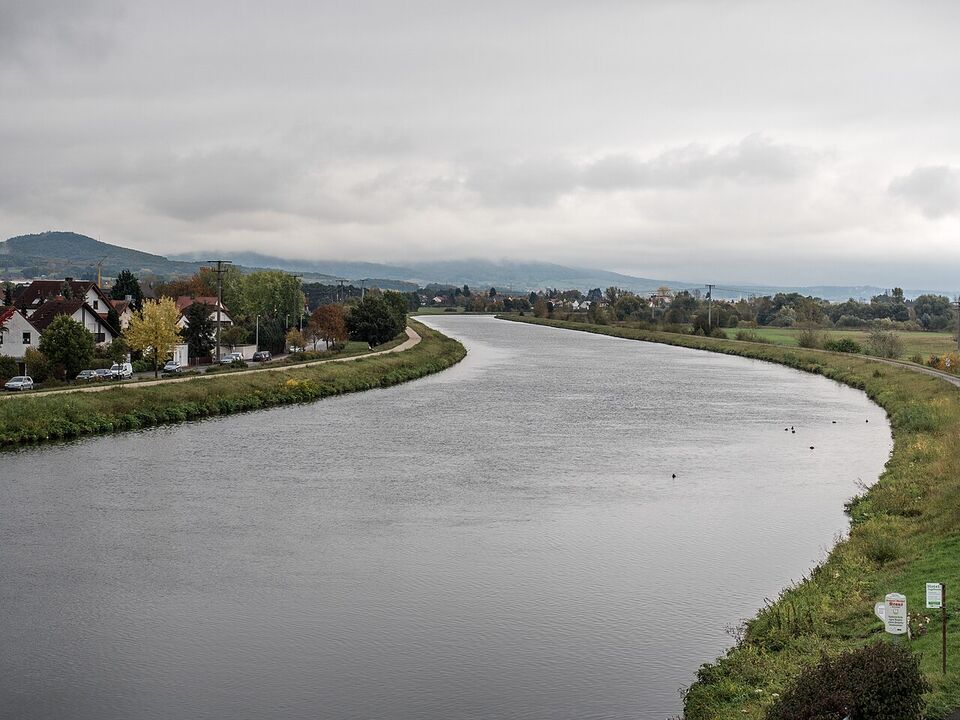
What a Cruise Fare Includes
Inclusions differ by line, so read the "what's included" page before comparing prices. Most American-market river cruises cover:
- Cabin and daily housekeeping, usually with a window or balcony that opens.
- Breakfast, lunch and dinner, often with wine, beer and soft drinks at meals.
- At least one guided walking tour in most ports, with headsets so you can hear the guide.
- Wi-Fi, port charges and taxes.
Commonly extra: airfare, premium tours, spa treatments, drinks at the bar beyond the meal package, and crew gratuities. Some lines put airfare and transfers in a separate "air add-on" with fees; one US line's terms mention roughly $160 in government taxes and fees on air-inclusive bookings, so compare the total, not just the headline fare. We could not verify any line's current prices for this guide.
Different from home
River ships are small, usually 100 to 200 passengers, and have no casino, big shows or children's clubs. There are no ocean waves, but there is railway noise in the gorge and locks at night. The mood is closer to a floating hotel with a guide than to an ocean cruise.
The Best Months
Most Rhine and Main-Danube ships sail from about late March or April until early November, with a second wave of Christmas market cruises from late November to just before Christmas. Within that window:
- April and May: Blossom, cool air and fewer crowds. Water is usually adequate after spring melt, though not guaranteed. Our when to go guide compares the weather.
- June to August: Warm and busy. Heat can lower the Rhine; in 2026 the lowest levels came in August.
- September and October: Harvest season in the wine regions. Good weather, but low water often peaks in autumn when rain has been scarce.
- Late November to December: Cruises time their stops to the Christmas markets, for example Cologne (November 16 to December 23, 2026), Rüdesheim (November 19 to December 23) and Nuremberg (November 27 to December 24). See our Christmas markets guide and December guide.
Christmas cruises have a distinct pattern: cold weather, early dark and a heavy schedule of market visits, so the days feel short. They are good value for people who want markets without managing trains, and weaker for people who want river views, since you often sail at night.
Low Water and High Water
Rivers are not canals. Their depth changes with rain and snowmelt, and the German stretches have two weak points: the Middle Rhine at Kaub in dry periods, and rivers such as the Main and Danube in floods.
Low water
When the Kaub gauge falls, ships cannot carry a full load or pass the gorge at all. In August 2026 the gauge dropped below 20 cm, below the previous record low of 25 cm in October 2018. Reports at the time said some lines rerouted trips and used other ports, with one line reporting 15 reroutings since June affecting about 1,900 guests. One company swapped a ship for a different vessel on a specific run, another laid up two ships, and another offered free rebooking for departures to August 21. These are examples from the 2026 season, not a rule for every cruise.
High water
The opposite problem also happens: after heavy rain or snowmelt, ships may not fit under bridges or through locks, and traffic stops until levels fall. The cruise contract usually lets the line change the itinerary without refunds.
What lines do
- Ship swap: You move to a second ship beyond the shallow section, with a bus transfer.
- Bus bridge: You sail part of the trip, take a coach to the next port and rejoin.
- Reroute: The itinerary changes so that you embark or end in a different city.
- Cancel or compensate: Rare, but possible. Read the terms.
Insider tip
Before you book, read the line's water-level clause. Check how it handles a changed itinerary and whether you can cancel or get a credit, and ask your travel agent about trip-interruption insurance. Arrive one day early so a flight delay does not decide whether you make the departure. The Kaub reading is public on the German waterways service PEGELONLINE.
Ports and What to Do in Each
Cologne
The cathedral is a short walk from the landing. Tourist entry is €12 (about $13) since July 2026. See our Cologne guide.
Koblenz
The German Corner (Deutsches Eck), where the Moselle meets the Rhine, is a short walk from the dock, and a cable car and fortress rise on the other bank.
Rüdesheim
The Drosselgasse is minutes away, and the Niederwald monument is a cable car or walk above. Ships often stop here in the evening for a wine tasting.
Heidelberg or Speyer
The ship docks outside the old town, so a bus excursion to Heidelberg's castle and old bridge is usual. See our Heidelberg guide.
Würzburg and Bamberg
On Main cruises, Würzburg's Residenz palace and Bamberg's old town are the highlights.
Nuremberg and Regensburg
Nuremberg has the castle and the Nazi Party Rally Grounds documentation center; Regensburg has a medieval stone bridge and a well-preserved old town.
Passau
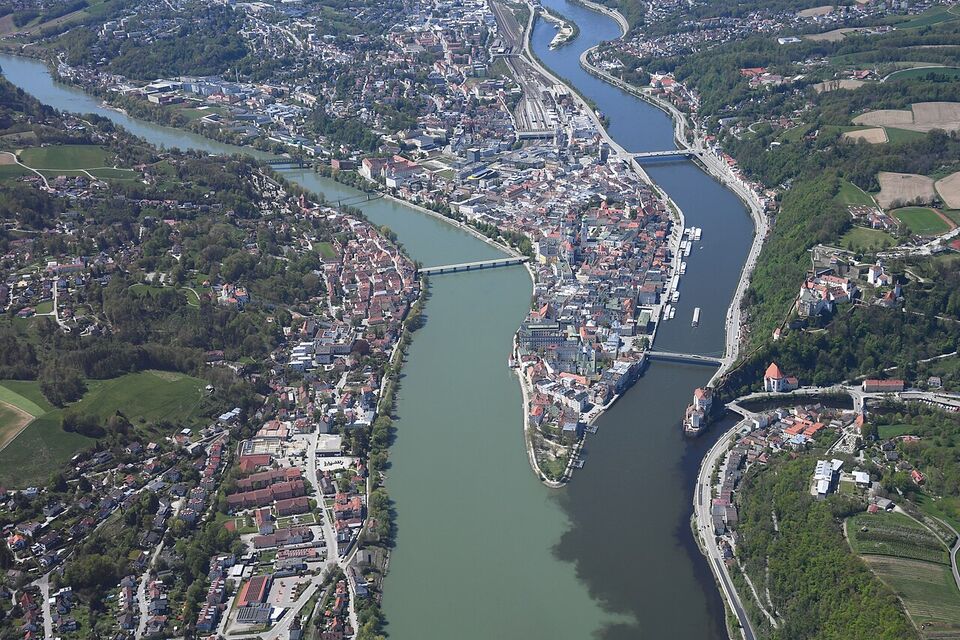
The old town sits on a peninsula where the Danube, Inn and Ilz meet. It is the usual border point between Germany and Austria.
Dresden and Meissen
Dresden's Frauenkirche and Zwinger are within walking distance of the old town, and Meissen's porcelain factory is a short ride away.
Day Boats Instead of a Cruise
If you want river time without a full week, day boats are simpler and cheaper, and you choose your own hotel.
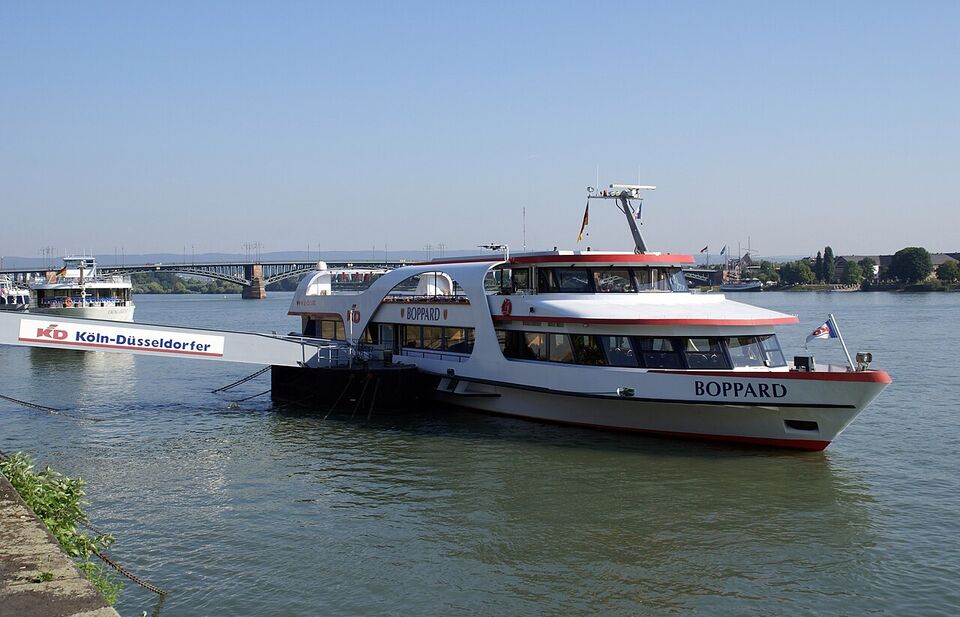
- KD on the Rhine: Scenic trips from Cologne, Düsseldorf, Frankfurt, Mainz and Cochem; Middle Rhine services stop at Boppard, Rüdesheim, St. Goar and Koblenz. Adult fares in 2026 included €28 (about $31) one way and €31 (about $35) return from Rüdesheim or Bingen to St. Goar, and €62 (about $69) single from Rüdesheim to Koblenz. The 2026 season ran March 28 to October 25, and the 2027 timetable was not yet published as of November 2026. A reduced Loreley winter service runs October 19, 2026 to April 2, 2027 if enough passengers book.
- Lake Constance (Bodensee): The BSB fleet connects Konstanz, Meersburg, Friedrichshafen, Lindau, the flower island of Mainau and Bregenz. Its scheduled service for 2026 has ended, with autumn and winter excursions instead; check bsb.de for the 2027 timetable. See our Lake Constance guide.
- Königssee: Electric boats cross the alpine lake near Berchtesgaden. The adult round trip to St. Bartholomä is €23.40 (about $26) on the operator's price list, and the Salet landing stage is no longer served. See our Bavarian Alps guide.
- Elbe paddle steamers in Dresden: The Sächsische Dampfschifffahrt, which marks 190 years of service, runs steamers from Dresden past Pillnitz to Pirna, Bad Schandau, Königstein and Rathen in the Saxon Switzerland area. Bikes cost €4 (about $4.50), and there are winter and Christmas cruises. Fares were not listed on the page we read, so check the operator.
Save money
A one-way boat plus a return train gives you the scenery at a fraction of the cost of a cruise. Regional trains along the Rhine are covered by the Deutschlandticket (€63 a month in 2026, about $71). See our train tickets guide for the math.
Tips for Americans
Tipping
River lines normally ask for a crew tip rather than including it. The line's final documents say how much to give, how it is divided and whether to pay in cash or on your account. Ashore, tip as in Germany: round up or add 5 to 10% in restaurants, and tell the server the total you want to pay. Our money guide explains.
Shore excursions or do it yourself
Included walking tours are usually good value. Paid excursions make sense where the sight is far from the dock, such as Burg Eltz from Koblenz or Cochem or the Würzburg Residenz when the ship docks outside town. In Cologne, Rüdesheim and Passau you can easily walk into town yourself. Note that Burg Eltz is closed from November 2, 2026 until March 21, 2027, so no tours go there in the Christmas season.
Documents and the Schengen clock
You need your passport throughout, since Rhine cruises call in France and Switzerland and Danube cruises in Austria, Slovakia and Hungary. Days on board in Schengen countries count toward the 90 days in 180 allowed; see our entry requirements guide. Carry some euros for small purchases, as Swiss stops use francs and Hungary uses forints.
Mobility and comfort
Old towns have cobblestones and steps, and some ships dock in a line, with a gangway across other ships. If walking is hard for you, ask the line about easier excursions and cabin placement before you book.
- Read the water-level and itinerary-change clauses before paying a deposit.
- Buy travel insurance that covers trip interruption and delays.
- Arrive one day early; do not book a tight flight home.
- Pack layers: the deck can be cold even in summer.
- Bring a plug adapter for the cabin outlets (230 V).
Add it to a route in the trip builder, or ask us to plan the hotels, trains and guides for you.