Is January worth it?
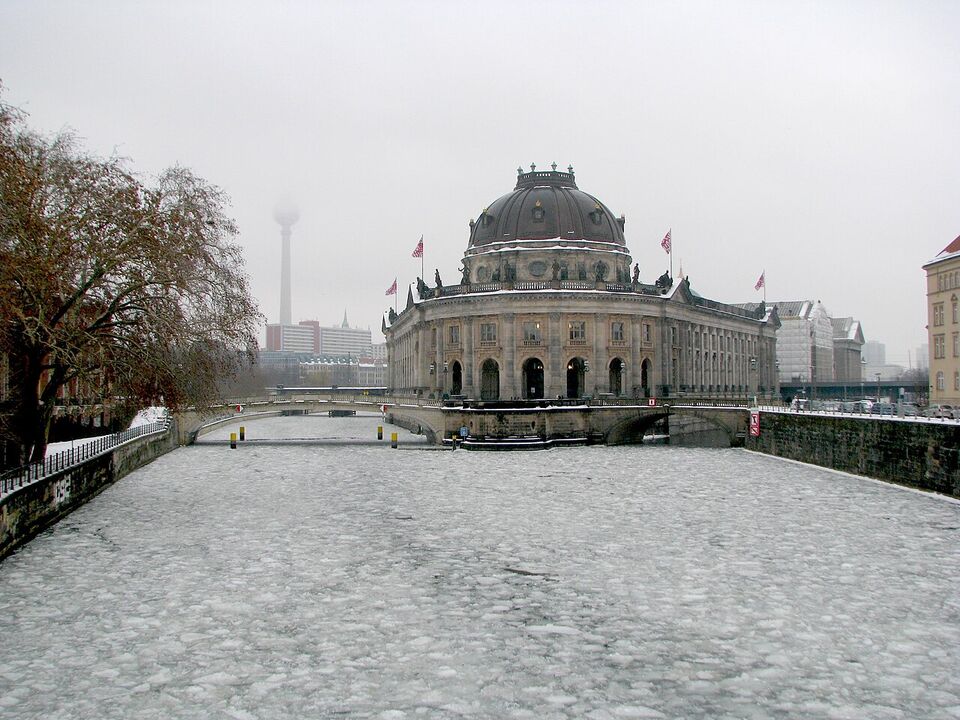
Yes, for the right trip. January 2027 is the quietest and cheapest month to visit Germany, and the cities work well in cold weather: museums, opera, spas, cafés and, in the Alps, skiing. It is the wrong month if you want long walks, castle gardens, river cruises or a Biergarten in the sun. Most Americans who go in January go for the prices and the lack of crowds, and they are happy as long as they plan around about eight hours of daylight.
The first week is its own season, with closures and leftover holiday events. After that, Germany settles into a calm routine until carnival builds in early February. This page covers holiday closures, sales, skiing, museums, weather by city, what to pack and how the carnival season starts. If you are choosing between months, our when to go guide compares the whole year.
January 1 and January 6: what closes
New Year's Day (Friday, January 1, 2027) is a public holiday in all 16 states. Shops, supermarkets, most restaurants and many museums are closed, and public transport runs on holiday schedules. After the late nights of December 31, it is also the quietest day of the year in most German cities. Plan something simple: a long walk, a spa, a train ride or a late lunch at a hotel restaurant.
Some sights are closed on January 1 even if they are open on other holidays. Neuschwanstein and Hohenschwangau are closed, and so is the Imperial Castle (Kaiserburg) in Nuremberg. The Berlin Wall Memorial's outdoor exhibition stays open and the Visitor Center is open 12 p.m. to 6 p.m. on January 1. Always check the sight's website for the exact date.
January 6 is Epiphany (Heilige Drei Könige), a public holiday in only three states: Baden-Württemberg, Bavaria and Saxony-Anhalt. In 2027 it falls on a Wednesday. In those states, shops and most services close, and public transport runs a holiday schedule. Elsewhere in Germany (Berlin, Hamburg, Cologne, Frankfurt, Dresden, Leipzig) it is a normal working day. In Catholic areas, children dressed as the Three Kings (Sternsinger) go door to door collecting donations and chalk a blessing above doors.
Watch out
Sunday trading rules mean shops are closed on Sundays and holidays, so plan groceries in advance. January 2 and 3, 2027 are a Saturday and Sunday: Saturday shops open as normal, Sunday they do not. A pharmacy with emergency service (Notdienst) charges a small fee, about €2.50 (about $3), at night and on holidays.
What is still on from the holidays
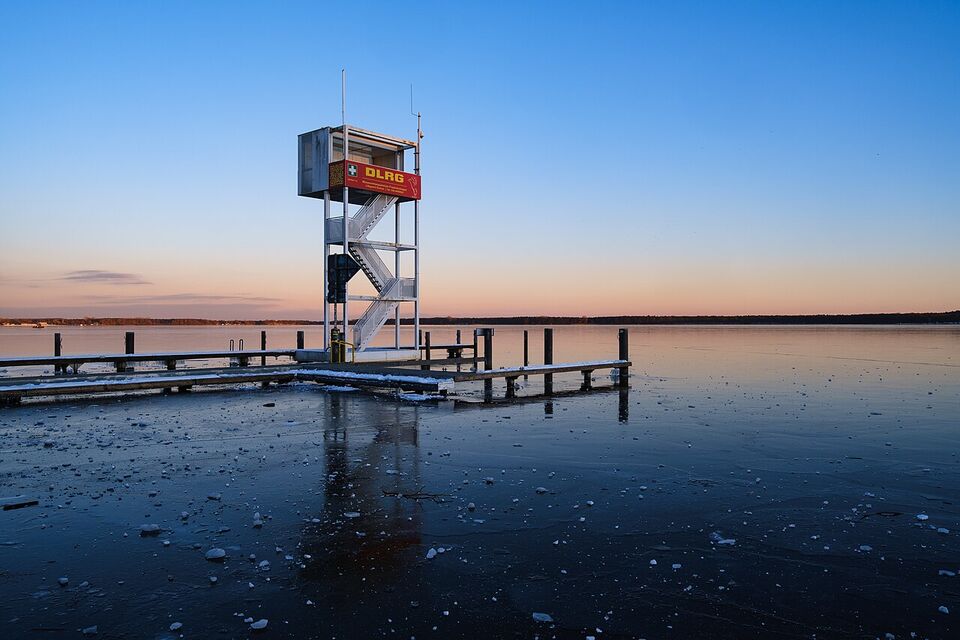
Most Christmas markets close by December 23 or 24 (see our Christmas markets guide), but a few stay open into January. According to 2026 city listings:
- Nuremberg's Winterdorf with its Ferris wheel on Jakobsplatz runs to January 9, 2027.
- Cologne's Altstadt market runs to January 10, and the harbor market near the Chocolate Museum runs to January 3.
- In Berlin, the Rotes Rathaus, Breitscheidplatz (the Gedächtniskirche) and Humboldt Forum markets run to January 3.
- In Munich, the Winterzauber at the Viktualienmarkt runs to January 5, the Christkindlmarkt am Maibaum to January 6 and the Stachus ice rink (Eiszauber) to January 10.
- Europa-Park's winter season is reported to run to January 9 (adult tickets about €67 to €76 online depending on the date, roughly $75 to $85; check europapark.de).
Hours are shorter and the crowds are much smaller than in December, though Glühwein is still sold. Check the date on the city's official market page before you plan a trip around one.
Winter sales and shopping
Germany no longer has a legally fixed winter sale season, but retailers still clear winter stock in the weeks after Christmas, and discounts continue into February in clothing, shoes, sportswear and outdoor gear. Look for Sale, Schlussverkauf or Reduziert signs. Prices are fixed, and bargaining is not normal in shops.
Non-EU visitors can claim back German VAT (19% on most goods, 7% on food and books) when a single purchase from one shop is over €50. You need the shop's export form, a passport and customs validation before leaving the EU; our shopping guide explains the process step by step. Remember that most German shops are closed on Sundays, so plan your shopping for Saturday.
Skiing and winter sports
January is the middle of the ski season in the Bavarian Alps, and German resorts are smaller and less expensive than the big Austrian and Swiss ones. The best-known options:
| Area | Ticket (winter 2026/27) | Notes |
|---|---|---|
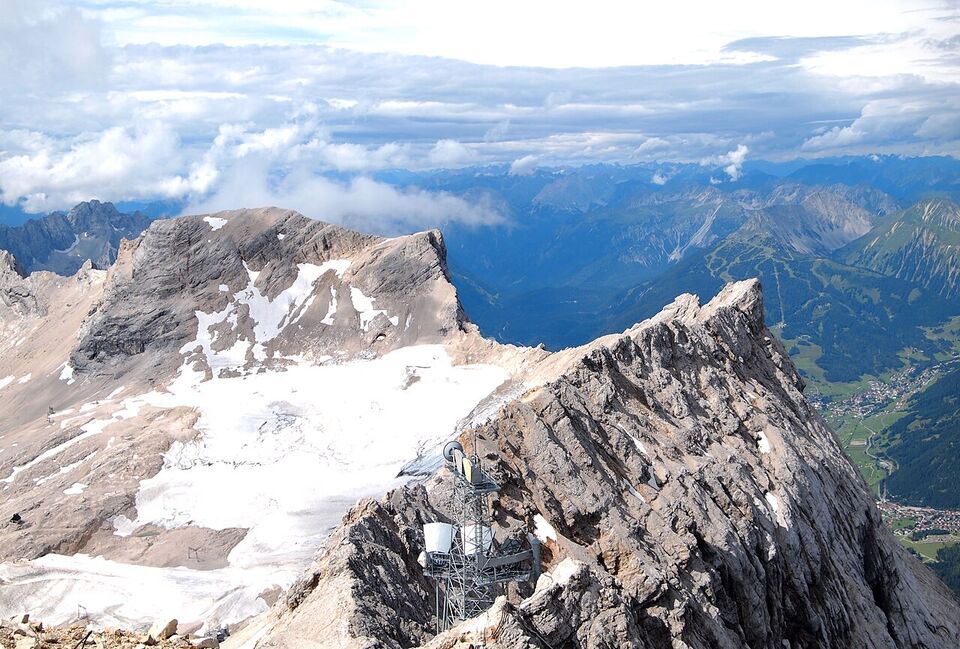
| Zugspitze (Garmisch-Partenkirchen) | 1-day Zugspitze ticket €70.50 (about $79) online, €78 (about $87) at the ticket office | Germany's highest summit at 9,718 ft (2,962 m); prices valid from November 27, 2026; ski season expected to run to May 2, 2027 |
| Garmisch-Classic | €69 (about $77) online, €72 (about $81) on site | Lower-lying ski area near town |
| Berchtesgaden Alpenerlebnis lifts | 3 days €102 (about $114); 6 days €190 (about $213) | Multi-day passes only on the page we checked |
| Feldberg (Black Forest) | Dynamic day pricing | Price depends on date and demand; check the lift site |
The Zugspitze prices are for the 2026/27 winter; non-skiers can also ride to the summit for the same price. Oberstdorf prices were not available when we checked. Snow in low-lying German areas is not guaranteed, so check conditions the week before you travel, and book lessons and rentals ahead for holiday weeks. Munich to Garmisch is about 90 minutes by regional train. The Black Forest has smaller ski areas with fewer slopes and less certain snow.
Insider tip
If you rent a car for the mountains, make sure it has winter tires with the Alpine symbol (three-peak mountain with a snowflake). Since October 2024 only these count as winter tires in Germany; fines start at €60 (about $67) plus costs. Rental cars normally comply, but ask. See our Bavarian Alps guide for getting around.
Other winter options include sledding, snowshoeing and cross-country skiing in the Bavarian and Black Forest uplands, and thermal baths and saunas in cities. Germany's sauna etiquette is different from home (mostly nude, mixed), so check each spa's rules first. For more ideas, see our outdoors guide.
Museums, music and indoor days
Winter is the best time for museums because lines are short. In Berlin the Museum Island ticket (€24, about $27) covers the Alte Nationalgalerie, Altes Museum, Bode-Museum, Neues Museum and others for one day. The Pergamon Museum is closed for renovation; the museum says it reopens on June 4, 2027 (one ticket page showed July 4, so verify). Most Berlin museums are closed on Mondays; the Neues Museum, for example, is open Tuesday to Sunday, 10 a.m. to 6 p.m.
Other indoor options with confirmed details:
- Deutsches Museum, Munich: €18 (about $20), daily 9 a.m. to 5 p.m.; check which sections are open.
- Munich Residenz: combined ticket €15 (about $17); Nymphenburg Palace winter combination ticket €16 (about $18).
- DDR Museum, Berlin: €13.90 (about $16), daily 9 a.m. to 9 p.m.
- Elbphilharmonie Plaza, Hamburg: €5 (about $6) booking fee, open daily 10 a.m. to midnight. Concert tickets sell out well ahead, so book as soon as the program is out.
- Dachau and Sachsenhausen memorials: free, but they are outdoors for much of the visit; Sachsenhausen's winter hours are 8:30 a.m. to 4:30 p.m. until March 30, 2027.
The Berlin and Munich opera houses and symphony orchestras run full winter seasons; book ahead for popular performances. Our guides to Berlin and Munich list the main sights.
Carnival season in January
The carnival (Karneval or Fasching) season officially opens on November 11 at 11:11 a.m. in the Rhineland, and January is when it builds. You will see indoor sessions (Sitzungen) with costumes, satire and music in Cologne, Düsseldorf and Mainz, plus rehearsals, pins and shop windows full of costumes. In southwest Germany the Swabian-Alemannic Fastnacht season traditionally begins on January 6 with the first parades in some towns.
In 2027 the big days are Weiberfastnacht (Thursday, February 4), Rosenmontag (Monday, February 8) and Ash Wednesday (February 10), according to the Cologne city portal. If you want the street parties, travel in early February and book hotels months ahead; in January you can see a session if you buy tickets early, but not the parades. More dates are on our festivals page.
Weather, daylight and what to wear
January is the coldest month in Germany. Averages for 1991-2020 show the range across the main cities:
| City | Average high | Average low |
|---|---|---|
| Berlin | 38°F (3°C) | 28°F (-2°C) |
| Munich | 39°F (4°C) | 29°F (-2°C) |
| Hamburg | 40°F (4°C) | 31°F (-1°C) |
| Frankfurt | 41°F (5°C) | 33°F (1°C) |
| Cologne | 43°F (6°C) | 32°F (0°C) |
| Dresden | 37°F (3°C) | 28°F (-2°C) |
These are averages: a cold snap can bring highs near freezing for days, and a mild spell can reach the 50s°F (10°C+). Rain, drizzle or snow falls on roughly half the days. Daylight is short: sunrise is around 8 a.m. and sunset between about 4 p.m. (Berlin) and 4:45 p.m. (Munich) in early January, with the day getting noticeably longer by the end of the month.
Wear layers, a warm waterproof coat, a hat, gloves, and shoes with grip. Old towns have cobblestones that are slippery in frost. Indoors, buildings are well heated, so you will take layers on and off often. Our packing guide has a full list.
Costs, flights and practical points
Hotel rates in January are usually lower than in summer or December, particularly in big cities, and last-minute availability is good, except in trade-fair weeks. Hotel city taxes still apply: for example, Berlin charges 7.5% of the net price and Cologne 5% of the price including VAT, while Munich has none. Check the total on the booking page. Flights to Germany are often among the cheapest of the year in January, and airlines run their winter schedule until March 27, 2027. See our budget guide for daily costs.
In January, Germany is six hours ahead of US Eastern time, so jet lag is the usual kind; Germany does not change clocks until March 28, 2027. Trains run in winter as normal, but delays are more common in snow, and some rail lines have works in 2027. Our train tickets guide explains how to buy tickets and what to do when a train is late.
Save money
January is the month to book a room with a view, a spa hotel or a nicer city center location. Advance train fares (Sparpreis) are also easier to find because trains are less full. Combine this with winter sales if you are shopping. Always compare the final price including city tax.
Sample January plans
- Five days
Berlin museums and a day in Potsdam
Museum Island (without the Pergamon), the Berlin Wall Memorial and the Topography of Terror on dry days; the Reichstag dome by advance registration; a day trip to Potsdam if the weather is clear.
- Five days
Munich and the Alps
Two days in Munich (Residenz, Deutsches Museum, a beer hall lunch), a ski or sledding day near Garmisch, and a day at Nymphenburg. See the Bavarian Alps guide.
- Four days
Cologne and the Rhineland sessions
Cologne Cathedral (entry €12, about $13), museums, brewery taverns, and a carnival session if you booked tickets. Day trips by train along the Rhine.
Add it to a route in the trip builder, or ask us to plan the hotels, trains and guides for you.