Cash or card: the short answer
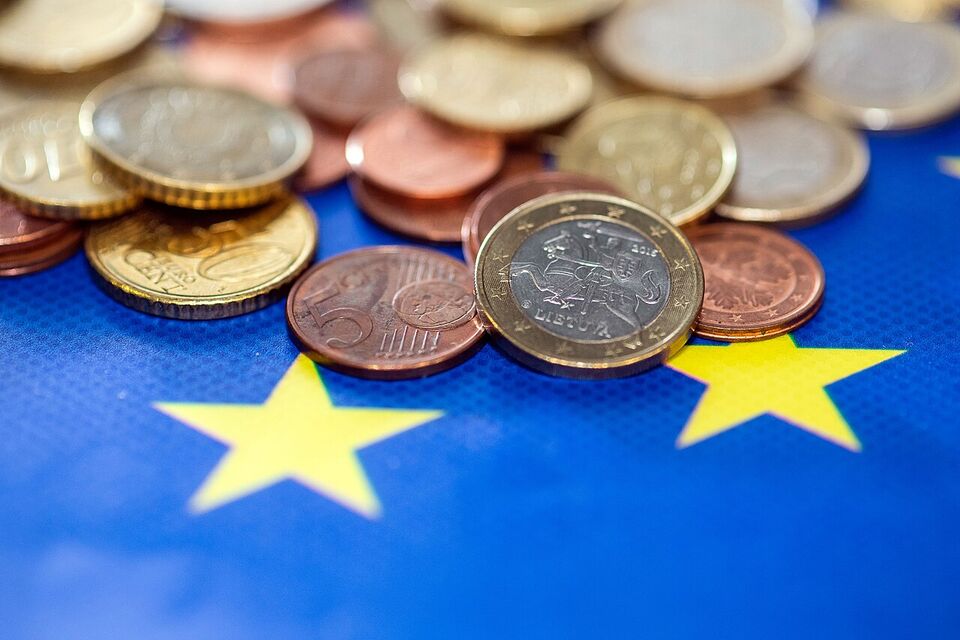
Germany uses the euro, and for a US visitor the rule in 2026 is to carry a card and a little cash. Most hotels, chain restaurants, museums, big shops and train stations take cards, usually by contactless tap. But Germany has long been a cash country, and it still has pockets where plastic is not welcome. A small cash reserve of €50 to €100 (about $56 to $112) saves awkward moments.
The exchange rate we use throughout this guide is €1 = US$1.12, based on the European Central Bank's reference rate of 1.1224 on November 5, 2026. For quick math, €10 is about $11 and €100 is about $112. Rates move daily, so check before you go.
No German law currently forces a business to accept cards. In September 2026 the finance ministry presented plans for a duty to offer at least one digital payment option (card or phone) alongside cash, planned to apply from 2027. It is not yet law, and the draft bill still has to go through the cabinet, so assume nothing changes for your trip.
Where you still need cash
The places that most often refuse cards are small, independent and local. Think of it as a spectrum.
| Situation | Cards? | What to expect |
|---|---|---|
| Bakeries (Bäckerei) | Mixed | Chains often take cards; small family bakeries may be cash only or have a minimum |
| Beer gardens (Biergärten) | Mixed | Some take cards at the main till; others, or the self-service stalls, want cash. Carry €20-40 for a round of beers and food |
| Small restaurants and pubs | Mixed | Many take cards; some older places and village inns do not. Ask Kann ich mit Karte zahlen? before you order |
| Christmas markets | Mostly cash | Stalls selling mulled wine, sausages and sweets often prefer cash; some now accept cards or phones. Bring small bills and coins |
| Kiosks and Spätis | Mixed | Often have a card minimum (for example €5 or €10) or are cash only |
| Public toilets, lockers, parking machines | Cash | Coins, usually €0.50 to €1 for toilets at stations. Many newer machines take cards |
| Hotels, supermarkets, department stores, museums, trains | Yes | Cards are normal. Tap-to-pay works almost everywhere |
A good habit: when you sit down, look for a card-reader sticker or a sign at the door, and ask before you order. If a place is cash only, the staff will usually say so with an apologetic nur Bar (cash only).
Which cards work
Visa and Mastercard credit cards are accepted widely. The common German debit card is the Girocard, and some terminals take only that or take foreign debit cards unreliably, so test your Visa or Mastercard debit card early in the trip, not at the end of a big dinner. American Express is accepted less often. Apple Pay and Google Pay work wherever there is contactless, which is most places.
- Choose a card with no foreign transaction fee, and tell your bank you are traveling.
- Carry a backup card in a different place from your main one.
- If a terminal asks whether to pay in euros or dollars, choose euros every time (see ATMs below).
- Chip and tap are standard. A PIN is sometimes requested even for credit cards, so know your PIN.
ATMs and getting euros
An ATM (Geldautomat) is the cheapest way to get euros. The best machines belong to banks: look for Sparkasse, Volksbank, or the Cash Group banks (Deutsche Bank, Commerzbank, HypoVereinsbank and Postbank). Foreign card holders may still pay a fee, which can be anywhere from nothing to several euros, and the machine should show it before you confirm. Withdrawal limits per transaction are often €500 to €2,000.
Watch out
Avoid standalone machines run by Euronet or Travelex (no bank logo, often in tourist areas, train stations and airports). They show a fee on screen, and they are the ones most likely to push dynamic currency conversion. If a machine asks whether to charge you in dollars or euros, always choose euros. The dollar rate it offers is worse than your bank's.
Currency exchange desks in airports and tourist districts give poor rates and add fees. If you want some euros on arrival, take out €100 to €200 at a bank ATM in the arrivals hall or at a station, and keep your bank's foreign fee in mind. Your US bank may add its own fee, so check before you go. Traveler's checks are obsolete and not worth carrying.
Keep your PIN private and cover the keypad. Pickpocketing is a known issue at big train stations and busy markets, as we explain in our safety guide.
Tipping the German way
Tipping (Trinkgeld, literally "drink money") exists, but it is smaller and handled differently than in the US. Service staff are paid a normal wage, and the menu price already includes service. A 2026 survey reported by The Local found that just over half of Germans tip 5 to 10% in restaurants, cafes and taxis, about one in five tip 10% or more, and about 3% leave nothing.
- Restaurants and cafes: round up the bill or add 5 to 10% for good service. On a €45 bill, hand over €50 and say Stimmt so ("keep the change").
- Paying by card: tell the server the total you want to pay before they run the card. For an €18.50 bill, say "20 euro, bitte" or Machen Sie 20. A tip line on the slip is not standard.
- Do not leave coins on the table. It is normal to give the tip directly when you pay.
- Taxis: round up, or about 5 to 10%.
- Bars: round up, or €1 to €2 on a round of drinks.
- Hotels: €1 to €2 per bag for porters and a few euros per night for housekeeping is generous and appreciated but not expected (our estimate; there is no official rule).
Different from home
In the US, 18 to 20% is the norm. In Germany that would be unusually large, and not tipping at all in a sit-down restaurant would be seen as rude. Berlin and Hamburg lean higher than the rest of the country, but 10% is still a generous tip.
VAT refund: how to get your money back
German VAT (Mehrwertsteuer, MwSt.) is 19% on most goods and 7% on food, books and medicines. It is included in shelf prices. As a visitor who lives outside the EU, you can claim back the VAT on goods you take home in your luggage, though a service company takes a fee. As an illustration, a €300 jacket contains about €48 of VAT, and after the service fee you might get back somewhat less, depending on the provider. The process can feel like a lot of work for small purchases, so it pays off mainly when you buy bigger items. Our shopping and souvenirs guide has ideas for what is worth it.
Step by step
- Check eligibility. You must live outside the EU (your passport and address prove it) and must not hold a German residence permit valid for more than three months.
- Buy at a participating shop. Look for a "Tax Free" sticker or ask. The purchase must be over €50 including VAT, and German customs says the minimum may be removed once automated export confirmation is available, with no date. Services such as hotels, restaurants and transport are excluded, and so is anything shipped rather than carried.
- Pay full price and get the form. Ask the cashier to fill out the export certificate (Ausfuhr- und Abnehmerbescheinigung) or the provider's tax-free form. Bring your passport.
- Get customs to stamp it. Show the goods, the receipt and the form to German or EU customs at the point where you leave the EU. If you check bags with the goods, do this before check-in at the first EU departure airport. For goods in hand luggage, you can do it at the last EU airport. Do not pack the goods in a checked bag before they are inspected.
- Collect the refund. Use the provider's refund counter or drop box at the airport. Cash refunds are capped (one provider lists €1,000 in cash before customs validation and €3,000 after), and a refund to your card is the alternative. The provider deducts a fee.
The goods must leave the EU by the end of the third month after the month of purchase. A form you do not get stamped is worth nothing. Allow extra time at the airport, and note that the 2026 EES border queues, covered in our entry guide, can be long.
Insider tip
We could not confirm whether customs stamping is now fully digital at German airports or whether Global Blue and Planet use the same steps. Ask the shop when you buy which provider they use and what the process is at your departure airport.
Bottle deposits (Pfand)
Germany charges a refundable deposit on most drink bottles and cans. It is called Pfand, and it is a bit like a deposit in some US states, but more consistent.
- Single-use bottles and cans (Einweg): €0.25 (about $0.28). Look for "Einwegpfand 0,25 Euro" or the DPG logo on the label.
- Reusable glass and plastic bottles (Mehrweg): usually €0.15 (about $0.17), and beer bottles often €0.08 (about $0.09). Special swing-top bottles can cost more.
The deposit is added to the price at the till and shown on the receipt. To get it back, put the bottle in a return machine (Leergutautomat) at a supermarket. The machine prints a voucher (Pfandbon) that you hand to the cashier or deduct from your next shopping. You can only return bottles of the type the store sells, but most big supermarkets take any single-use bottle that has the logo.
If this seems like a lot of effort for €0.25, you can also leave empty bottles next to a bin or on a ledge in a city. Collectors will take them, which is normal and accepted. At Christmas markets and beer gardens you may also pay a deposit on a mug or glass. We could not confirm a 2026 mug figure, so expect a deposit of a few euros, refunded when you return the mug to any stall of that type.
Sunday closings and opening hours
Shops (Ladenschluss) are generally closed on Sundays and public holidays in all 16 German states. Each state sets its own rules, but the Sunday closure applies everywhere. For travelers, that means a Sunday with no supermarket trip, no pharmacy and no mall. Plan your groceries and any shopping for Saturday.
- Train stations and airports: shops there may open on Sundays under special rules. The big stations (Hauptbahnhof) in Berlin, Munich, Frankfurt and Hamburg have supermarkets and bakeries open on Sundays.
- Gas stations sell snacks and drinks at all hours.
- Restaurants, cafes, museums and attractions are not covered by the shop law and are usually open on Sundays.
- Special Sundays: every state allows a few shopping Sundays per year (Berlin up to 8), often tied to markets and festivals.
- Weekdays: hours vary. Shops in Bavaria and Saarland generally close by 8 p.m., while North Rhine-Westphalia, Schleswig-Holstein and Baden-Württemberg allow 24 hours Monday through Saturday, though most supermarkets close by 10 p.m.
Holidays matter too. Shops close on public holidays, and on December 24 they close early. In 2026, December 24 is a Thursday, and many shops close early, often around 2 p.m. (hours vary, so check), then stay closed on December 25, 26 and 27, three days in a row. See our December guide for more on the holiday week.
Save money
Supermarkets are the best-value place to eat in Germany. A bakery breakfast, a deli sandwich lunch and a picnic dinner can cost well under €15 (about $17) a day. On Sunday, buy at the station, or stock up the day before.
What things cost: a daily budget
Prices vary by city and season. Munich, Frankfurt and Hamburg are generally pricier than Leipzig or Dresden, and Christmas markets, Oktoberfest and trade fairs push up hotel rates sharply. The figures below are rough 2026 estimates for one traveler sharing a double room, not including flights. They are guides, not quotes, so check current prices before you book. Our budget guide goes deeper.
| Item | Typical price | US$ (about) |
|---|---|---|
| Bakery roll or pretzel | €0.60-1.50 | $1 |
| Coffee in a cafe | €3.00-4.50 | $3.50-5 |
| Currywurst or döner | €5-9 | $6-10 |
| Lunch special (Mittagstisch) | €10-15 | $11-17 |
| Dinner main course, mid-range restaurant | €16-28 | $18-31 |
| Half-liter of beer, pub or restaurant | €4-6.50 | $4.50-7.30 |
| Single local transit ticket | Berlin €4.00, Munich €4.20, Frankfurt €3.80 | $4.50, $4.70, $4.25 |
| Deutschlandticket (regional trains and local transit), per month | €63 in 2026; €66.80 from January 1, 2027 | $71; $75 |
| Museum admission | €8-20 | $9-22 |
| Hotel double, mid-range | €120-200 a night; city tax extra | $134-224 |
A day, put together:
| Style | Per person, per day | What it buys |
|---|---|---|
| Budget | €80-110 (about $90-123) | Hostel or cheap hotel share, bakery breakfast, Imbiss lunch, simple dinner, a museum, local transit |
| Mid-range | €170-250 (about $190-280) | Three-star or mid-range hotel share, sit-down lunch and dinner with a beer, sights and some train trips |
| Comfort | €350+ (about $390+) | Upscale hotel, restaurant dinners, taxis, paid tours and day trips |
Hotels in many cities charge a city tax (Übernachtungsteuer or Kulturförderabgabe) on top of the room rate. In Berlin, for example, it is 7.5% of the net room price. We list the rates for each city in where to stay.
If something goes wrong
If a card is lost or stolen, call your US bank first (use the number on the back, plus the collect-call or international number it lists), and freeze the card in the bank's app. In Germany you can also block a card through the central line, 116 116, which works from inside the country for many cards (we could not verify that it covers US-issued cards, so treat your own bank as the main route). Keep a second card and some cash separate from your wallet.
If a shop or restaurant charges you twice or adds a fee you did not agree to, ask for the receipt (Quittung) and politely point out the line. Card terminals in Germany often print two slips, one for you and one for the shop. Keep yours until you have seen the charge on your statement. If you see an unfamiliar charge after the trip, dispute it through your US bank in the usual way.
Finally, watch for two small habits that surprise visitors. Many restaurants do not bring the bill until you ask (Zahlen, bitte), because lingering is normal. And at some places you pay at the counter, not at the table, so check how the people around you do it before you walk out.
Money tips that save you trouble
- Carry €50 to €100 in small bills and coins for bakeries, markets, toilets and tips.
- Use a bank ATM and choose euros when asked.
- Test your debit card in a shop on day one.
- Say the full amount you want to pay before a card is tapped, so the tip is included.
- Buy groceries on Saturday if you need them on Sunday.
- Save your Pfandbon receipt, or use it at the same store.
- Keep customs forms and tax-free paperwork somewhere handy for the airport.
Next, see phones and data for staying online, and entry requirements for the €10,000 cash declaration rule.
Add it to a route in the trip builder, or ask us to plan the hotels, trains and guides for you.