The short answer
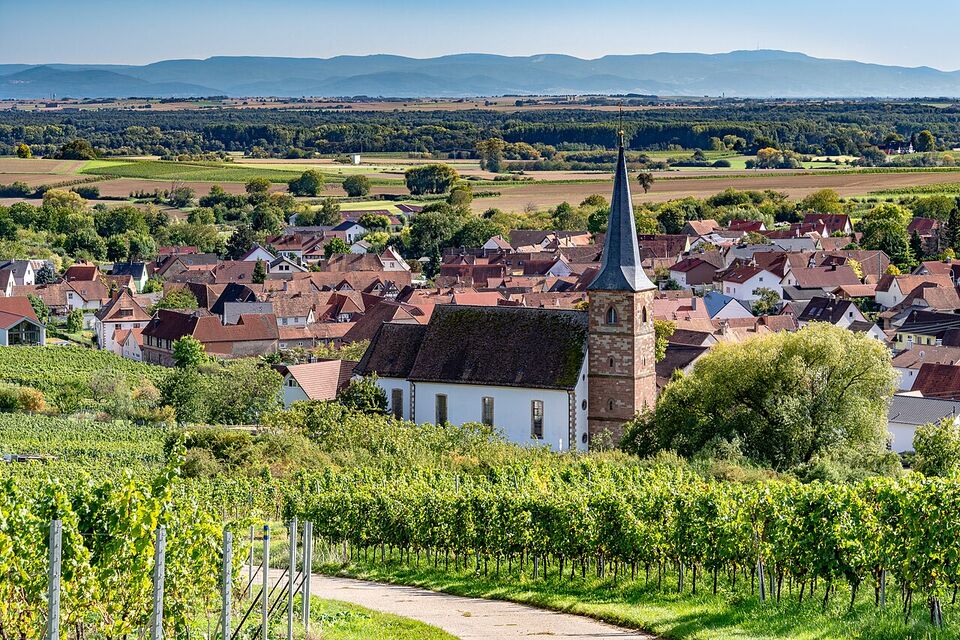
For most first trips, go in May, June or September. Those months give you mild weather (highs in the upper 60s to low 70s °F), long evenings for a Biergarten and every castle, boat and mountain lift in operation. July and August are warmer and busier, with the highest hotel rates in the Alps and on the coasts. October is colder but beautiful in wine country.
Go in late November or December if you want the Christmas markets, and accept short days, gray skies and crowds in the market towns. Go in January to March for low prices and museums, not scenery. Details on each month follow, and our pages on Germany in November, December, January, February and March go deeper for the winter months.
Month by month
Temperatures are 1991-2020 averages for Berlin and Munich (daily high / low), so any single day can be 10°F warmer or colder. Crowd levels are our general judgment for tourist areas, not a count.
| Month | Berlin high/low | Munich high/low | Crowds and prices | Events and notes |
|---|---|---|---|---|
| January | 38/28°F (3/-2°C) | 39/29°F (4/-2°C) | Low, apart from ski areas | Epiphany (January 6) is a holiday in Bavaria, Baden-Württemberg and Saxony-Anhalt |
| February | 41/29°F (5/-2°C) | 42/29°F (6/-1°C) | Low; carnival cities fill up | Carnival: Rosenmontag is February 8, 2027. Berlinale film festival February 10-21, 2027 |
| March | 48/33°F (9/0°C) | 50/35°F (10/2°C) | Low to moderate | Clocks change March 28, 2027. Good Friday March 26 and Easter Monday March 29 are holidays |
| April | 59/39°F (15/4°C) | 59/42°F (15/5°C) | Moderate; high around Easter | Spring flowers, asparagus season starts |
| May | 67/47°F (20/8°C) | 67/49°F (19/9°C) | Moderate to high | May 1, Ascension (May 6) and Whit Monday (May 17) in 2027: holiday weekends fill trains and hotels |
| June | 73/53°F (23/12°C) | 73/55°F (23/13°C) | High | Long days; Kieler Woche sailing festival June 19-27, 2027 |
| July | 77/57°F (25/14°C) | 77/58°F (25/15°C) | High | Rhine in Flames at Bingen-Rüdesheim July 3, 2027; Bayreuth Festival opens July 25, 2027 |
| August | 77/56°F (25/14°C) | 76/58°F (25/15°C) | High; some city shops and restaurants close for a few weeks | Rhine in Flames at Spay-Koblenz August 14, 2027 |
| September | 68/50°F (20/10°C) | 67/51°F (20/10°C) | High; very high in Munich from mid-month | Oktoberfest begins September 18, 2027; Cannstatter Volksfest in Stuttgart from September 24 |
| October | 57/42°F (14/6°C) | 58/44°F (15/7°C) | Moderate; high in Munich through October 3 | Oktoberfest ends October 3, 2027 (German Unity Day). Clocks change October 31, 2027 |
| November | 46/35°F (8/2°C) | 47/36°F (8/2°C) | Low until the markets open | St. Martin (November 11); Christmas markets open from mid-November |
| December | 39/30°F (4/-1°C) | 41/31°F (5/-1°C) | High in market cities, especially weekends | Advent; most markets close December 23-24; New Year's Eve |
Weather figures come from compiled climate normals that mix different stations, so treat them as a guide. Rainfall is spread through the year in both cities, with summer storms common in the south. The Alps can have snow from late October and have it into April at height.
The four seasons in practice
Spring (April and May)
Spring is variable: a warm Saturday can be followed by a cold, wet Monday, so pack layers. Parks and gardens fill with blossoms, beer gardens begin to open in April and May, and asparagus (Spargel) is on menus everywhere. The Easter holidays (Easter Sunday is March 28, 2027) and the long weekends of May 1, Ascension and Whitsun fill hotels in the Alps, the Baltic coast and popular small towns.
Summer (June to August)
Summer is the easiest season for sightseeing and the hardest for crowds and prices. Berlin and Munich average mid-70s °F highs, but heat waves above 90°F (32°C) happen, and many older hotels and museums have no air conditioning. Daylight lasts until about 9:30 p.m. in June. The Rhine boats, Alpine cable cars and lake ferries run on full schedules.
School holidays vary by state, so crowds on the roads and at the coasts shift through July and August. Check the dates for the state you are visiting if you plan to drive.
Autumn (September and October)
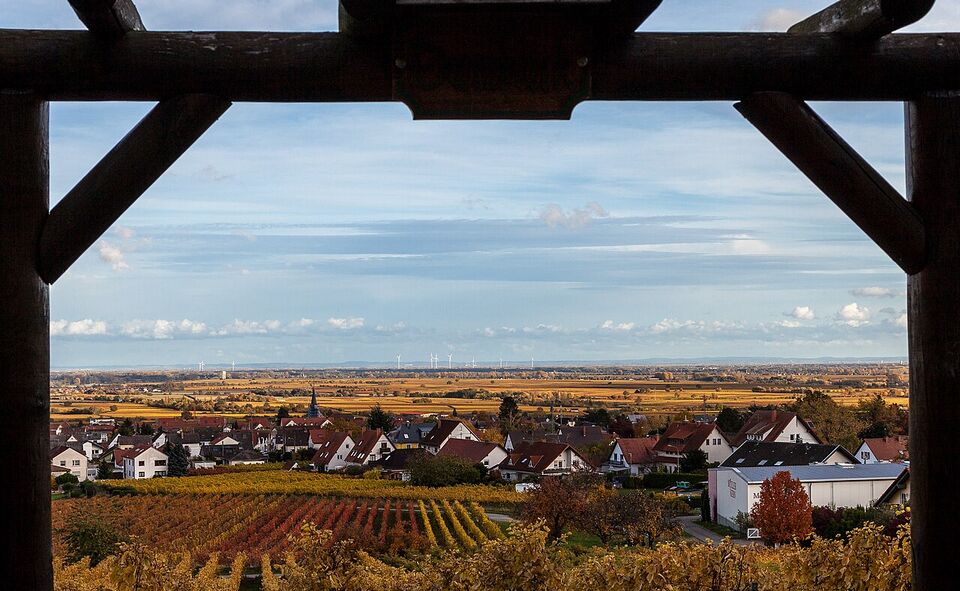
September is one of the best months: summer weather lingers, crowds thin outside Munich, and the grape harvest begins along the Rhine, Moselle and in Franconia. October is cooler and quieter, with fall colors in the Black Forest and the Rhine valley. Some seasonal attractions close in late October or November (for example the regular KD passenger boats on the Rhine, whose 2026 season ended October 25).
Winter (November to March)
Winter brings short days, fog, drizzle and the occasional snowfall in the cities. It is also the cheapest time for city breaks and museum trips, and the time of the Christmas markets. Alpine ski areas are the exception to the low prices. Bring waterproof shoes and layers, and see our packing list.
Christmas markets
Christmas markets (Weihnachtsmärkte) open in the second half of November and run until December 23 or 24 in most places. The big ones in 2026 open on these dates: Munich Marienplatz on November 20, Cologne's cathedral market on November 16, Berlin's Gendarmenmarkt on November 23, Dresden's Striezelmarkt on November 25 and Nuremberg's Christkindlesmarkt on November 27. First Advent is Sunday, November 29, 2026.
Weekends and evenings are crowded in every big market, and hotel prices in these cities rise sharply. Weekdays before about 4 p.m. are much calmer. The complete list of markets, dates and hours is in our Christmas markets guide.
Watch out
Markets close early or for the whole day on December 24 and often on December 25 and 26. Stuttgart, Hamburg's Rathausmarkt, Aachen, Leipzig and Rothenburg end on December 23. Heidelberg and Frankfurt end on December 22 in 2026. Plan to be in a market city before then if you want the full experience.
Oktoberfest
Oktoberfest is the world's biggest folk festival, held on the Theresienwiese in Munich, and the single hardest event to plan around. The 2027 festival runs from Saturday, September 18 to Sunday, October 3, with the first beer tapped at noon on opening day. It is a 16-day event, and the 2026 festival ended October 4.
Hotels in Munich sell out for the whole period and can cost several times their normal rate, so book as early as you can. Beer is sold by the one-liter Maß, and the 2026 price ranged from €14.80 to €15.90 (about $17 to $18). The 2026 festival recorded roughly 7.4 million visitors in the provisional final report, a record. For tents, tickets and manners, see our Oktoberfest guide.
Stuttgart's Cannstatter Volksfest is a similar festival with fewer tourists. It runs September 24 to October 10, 2027.
Carnival, Easter and spring festivals
Carnival (Karneval or Fasching) is strongest in Cologne, Düsseldorf and Mainz. In 2027, Weiberfastnacht (Women's Carnival Thursday) is February 4, Rosenmontag (Rose Monday) parades take place on February 8 and Ash Wednesday is February 10. Cologne's carnival season opens on November 11 each year, but the street parties and parades are in the days before Ash Wednesday. Hotels in these cities are expensive and often full, and many shops and offices close for the parades.
Easter in Germany means Good Friday (a quiet day with dance bans in many places), Easter markets, and Easter Monday as a holiday. Easter Sunday 2027 is March 28. Bonn's cherry blossom street typically blooms in spring, but the city says the timing cannot be predicted.
Asparagus season runs through spring and traditionally ends around June 24. White asparagus is served with potatoes, ham and hollandaise sauce. Whitsun (Pfingsten) falls on May 16-17, 2027, and the Monday is a holiday everywhere. Expect crowded trains and full hotels around it. Other events are in our festivals guide.
Crowds, prices and school holidays
Hotel prices follow four things: the season, big events, school holidays and weekends. A room in Munich in mid-October can cost far more than the same room two weeks later, and a Nuremberg room on a December Saturday costs more than the same room on a Tuesday. If your dates are flexible, shift them away from events first and away from weekends second.
German school holidays are set state by state and rotate every year, so the busy weeks are not the same as at home. Summer holidays run roughly from late June to mid-September across the country, with each state taking about six weeks. Easter and Christmas breaks fill the Alps, the Baltic and North Sea coasts, and cheaper holiday apartments. Check the current calendar for the state you are visiting. In big cities such as Berlin and Hamburg, the holidays matter less for hotels than events and trade fairs do.
Business travel also drives prices. Frankfurt, Düsseldorf, Cologne and Munich fill with trade-fair visitors on certain weeks, and a hotel that is cheap in one week can be double the price the next. If a city seems oddly expensive for your dates, look for a fair.
Ski season and the Alps
Alpine skiing in Germany typically runs from December through March at the higher resorts, though snow depends on the year. For winter 2026/27, the Zugspitze ticket prices valid from November 27, 2026 are €70.50 online (about $79) and €78 at the ticket office (about $87) for a one-day ski ticket. Berchtesgaden's lift network sells multi-day cards, for example €102 (about $114) for three days. Opening dates for each lift depend on snow, so check the resort's site before booking.
Non-skiers can still go: the Zugspitze round trip for sightseeing is priced like the ski ticket in winter. Summer hiking runs from June to October, with high trails opening as the snow melts. See the Bavarian Alps for bases and transport.
Berlin and Munich: how the seasons differ
The two cities have almost identical temperatures, so the difference is in what the season brings. Munich peaks in September and October with Oktoberfest, and again in December with its markets. Berlin has no single peak and a long season from May to September, when its parks, lakes and rooftop terraces are in use. Berlin is a better winter city than Munich if you want museums and nightlife, and Munich is a better winter base if you want the Alps within two hours. More in Berlin vs Munich.
Public holidays and shop closures
Shops are closed on Sundays and public holidays in all 16 states, with exceptions for shops at airports and major stations, gas stations and a limited number of special openings. Each state sets its own opening hours. Public holidays also differ by state, so a day off in Bavaria may be a normal workday in Berlin. Museums and attractions often stay open on holidays when shops do not, but restaurants and transport run on reduced schedules.
Different from home
Supermarkets are shut on Sundays. Buy food on Saturday, or use the shops inside major train stations. Many restaurants close on Sunday evening or on Monday or Tuesday, so check before you walk across town.
Nationwide holidays (all 16 states)
| Holiday | Date |
|---|---|
| Christmas Day and Boxing Day | December 25 and 26, 2026 (Friday and Saturday) |
| New Year's Day | January 1, 2027 (Friday) |
| Good Friday | March 26, 2027 |
| Easter Monday | March 29, 2027 |
| Labor Day | May 1, 2027 (Saturday) |
| Ascension Day | May 6, 2027 (Thursday) |
| Whit Monday | May 17, 2027 |
| German Unity Day | October 3, 2027 (Sunday) |
| Christmas Day and Boxing Day | December 25 and 26, 2027 (Saturday and Sunday) |
Holidays that apply only in some states
| Holiday | Date | Where |
|---|---|---|
| Epiphany | January 6, 2027 (Wednesday) | Baden-Württemberg, Bavaria, Saxony-Anhalt |
| International Women's Day | March 8, 2027 (Monday) | Berlin, Mecklenburg-Vorpommern |
| Corpus Christi | May 27, 2027 (Thursday) | Baden-Württemberg, Bavaria, Hesse, North Rhine-Westphalia, Rhineland-Palatinate, Saarland |
| Assumption Day | August 15, 2027 (Sunday) | Saarland, and Bavaria in mainly Catholic communities |
| Reformation Day | October 31 (a Sunday in 2027) | Brandenburg, Bremen, Hamburg, Mecklenburg-Vorpommern, Lower Saxony, Saxony, Saxony-Anhalt, Schleswig-Holstein, Thuringia |
| All Saints' Day | November 1, 2027 (Monday) | Baden-Württemberg, Bavaria, North Rhine-Westphalia, Rhineland-Palatinate, Saarland |
| Repentance Day | November 18, 2026 and November 17, 2027 (Wednesdays) | Saxony only |
Holiday lists come from a secondary source, so confirm any date that matters to your plans on the state's own site. Easter Sunday and Whit Sunday are formally holidays only in Brandenburg, but nearly all shops are closed on Sundays anyway.
December 24 and December 31 are not public holidays, but many shops close in the early afternoon. Details are on our December page. Neuschwanstein is closed on December 24, 25 and 31 and on January 1, so factor those dates into a winter itinerary.
Daylight in winter
Winter days are short. Berlin has roughly 7 hours 40 minutes of daylight on December 21, and Munich about 8 hours 20 minutes. By comparison, Berlin has nearly 17 hours of daylight on June 21 and Munich about 16 hours. These are our calculated values, not a published table, so check timeanddate.com for exact times.
In midwinter, expect sunrise around 8 a.m. and sunset between about 3:50 and 4:25 p.m., depending on the city. Plan outdoor sights (castles, viewpoints, markets by daylight) for the late morning and early afternoon, and keep museums for the late afternoon.
Daylight saving time: different dates from the US
Germany moves its clocks on the last Sunday of March and the last Sunday of October. The 2026 change back to standard time was on October 25. The next changes are March 28, 2027 and October 31, 2027. The US changes on the second Sunday of March (March 14, 2027) and the first Sunday of November (November 7, 2027).
Normally Germany is 6 hours ahead of US Eastern time, 7 ahead of Central, 8 ahead of Mountain and 9 ahead of Pacific. For a short stretch each spring and fall, the gap is one hour smaller: from March 14 to 27, 2027 and from October 31 to November 6, 2027. Double-check the time difference when you book flights, call home or set up a hotel check-in.
Best months for each kind of trip
First city trip
Mild weather and long days make sightseeing easy. Book Munich early for September.
Christmas markets
Go on weekdays if you can. See the market guide.
Beer and festivals
Oktoberfest is a booking project, not a last-minute trip.
Hiking and the Alps
High trails are usually clear of snow from early summer to early fall, but conditions vary by year and altitude. See the Alps guide.
Wine and river valleys
Harvest season, with quieter villages than in summer. See the Rhine and Moselle.
Museums on a budget
Low prices and short lines, with early sunsets. Pack for rain.
Insider tip
The shoulder weeks, late April to mid-May and the last two weeks of September outside Oktoberfest, often give the best balance of weather and price. Avoid the holiday weekends in between, when German travelers fill the trains.
When you have chosen a month, move on to planning your trip for routes and booking order, and see what to pack.
Add it to a route in the trip builder, or ask us to plan the hotels, trains and guides for you.