Oktoberfest in one page
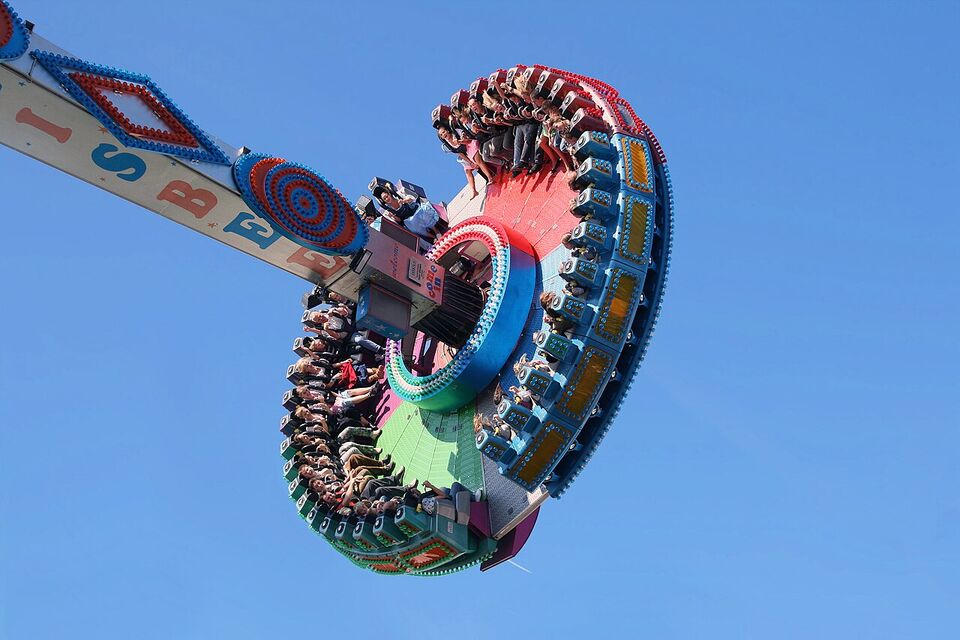
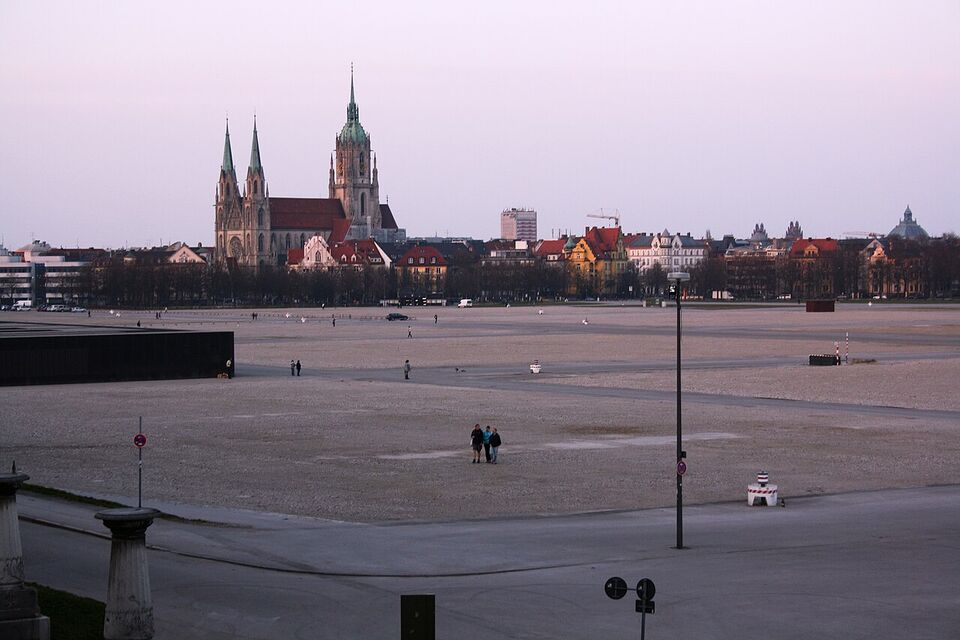
Oktoberfest, called the Wiesn by locals after the meadow where it is held, is a 16-day beer festival on the Theresienwiese in Munich. The 2027 festival is the 192nd and runs from Saturday, September 18 to Sunday, October 3, 2027. Despite the name, most of it happens in September, because the days are warmer than in October.
Entry to the grounds and to the beer tents is free. What costs money is the beer, the food and the rides, and the thing that surprises first-timers is that you do not need a ticket or a reservation to join in. This guide explains how to get a seat, what it costs, what to wear, how to bring children, and where to stay. For the rest of the city, see our Munich guide.
Oktoberfest 2026 was a record year. It ran September 19 to October 4, and the city's provisional report counted about 7.4 million visitors (up from 6.5 million in 2025) and about 6.7 million Maß of beer. Organizers credited a campaign encouraging weekday visits for a large rise in Monday-to-Thursday attendance, which is useful to know: weekdays are busier than they used to be.
Dates and opening hours
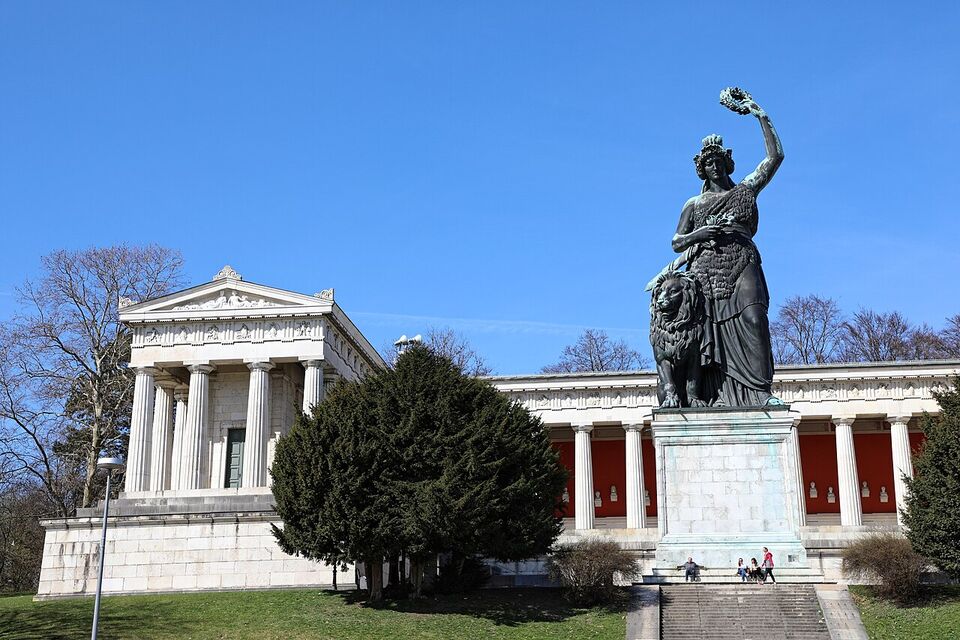
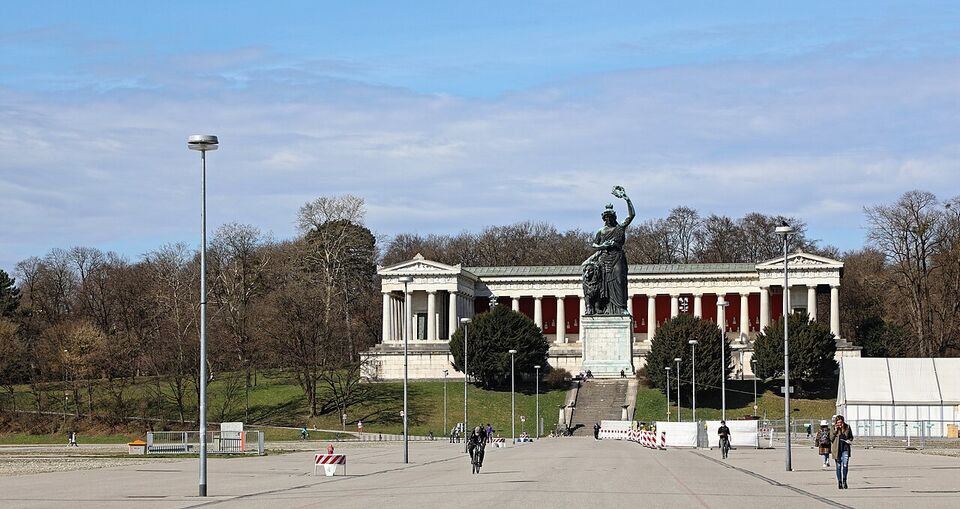
The festival always starts on a Saturday at noon, when the mayor taps the first keg in the Schottenhamel tent and shouts "O'zapft is!" ("It's tapped!"). Twelve cannon shots in front of the Bavaria statue then allow the other tents to start serving. The tents open at 9 a.m. on that first Saturday, but no beer is poured until the tapping, and a seat in the Schottenhamel on opening day is not guaranteed.
| Day | Grounds, stalls and rides | Beer tents |
|---|---|---|
| Monday to Thursday | 10 a.m. to 11:30 p.m. | Open at 10 a.m.; last call 11:30 p.m. |
| Friday | 10 a.m. to midnight | Open at 10 a.m.; last call 11:30 p.m. |
| Saturday | 9 a.m. to midnight | Service from 9 a.m. |
| Sunday | 9 a.m. to 11:30 p.m. | Service from 9 a.m. |
In the large halls, the last beer and music are at 10:30 p.m., and in the small tents at 11 p.m. The Käfer Wiesn-Schänke and Kufflers Weinzelt stay open later, with last drinks about 12:30 a.m. Rides generally keep running after the tents close. The final day, Sunday, October 3, 2027, is also German Unity Day, a public holiday, so expect a big crowd. Check the official site, oktoberfest.de, closer to the date for any change.
The tents and how reservations work
There are about 14 large tents and a number of small ones, each run by a brewery and a host family, and each has its own character and its own reservation system. There is no central booking office. You book through each tent's website, usually opening in spring (April or May at the latest), and regular guests and previous bookers are served first. Do not call right after the festival ends, because the tents ask you not to.
How a booking works
A reservation is free but it is for a whole table, normally 8 to 10 people, and you cannot book single seats. After you submit a request you get an email confirmation days or weeks later. You then pay for vouchers in advance and pick up wristbands and vouchers at the host's restaurant, or have them mailed.
In the large halls the usual minimum is two Maß of beer and half a roast chicken (Hendl) per person. A table of vouchers costs roughly €350 to €400 (about $390 to $450) on average, and more in some tents. Boxes and galleries add an extra voucher of about €18 (about $20). Expect a small fee of about €1.50 (about $1.70) per place plus postage. The Käfer Wiesn-Schänke, Kufflers Weinzelt and the small tents set their own rules.
Vouchers are valid for the current festival only, and unused ones can be redeemed at the hosts' restaurants for a limited time or refunded, so ask the tent. If your group shrinks or the plans change, the official resale portal, oktoberfest-booking.com, resells returned reservations at their original price. Avoid anyone else who sells reservations: the city's site warns that they may be fakes or cancelled.
Watch out
Do not buy a "Wiesn package" or a table from an agency unless it is the tent itself or the official portal. Tents can cancel reservations that were resold elsewhere, and fakes are a known problem. Also remember that the table is for a fixed number of people: you cannot add friends later.
A few tents to know
Augustiner-Festhalle
Known for pouring beer from wooden kegs, and often named by locals as a favorite. Its 2026 Maß was €14.90 (about $16.70).
Hofbräu-Festzelt
Popular with international visitors, with a big stage and a party mood from midday. Beer was €15.80 in 2026 (about $17.70).
Schottenhamel
Where the opening ceremony takes place. It is crowded on the first weekend. The 2026 Maß was €15.80.
Käfer Wiesn-Schänke
A smaller, upscale tent with a later closing time (last drinks about 12:30 a.m.). A good choice for a late evening if you can book.
Kufflers Weinzelt
A wine-and-food tent for those who do not want a Maß. It has no Festbier; its wheat beer cost €18.40 (about $20.60) in 2026.
Oide Wiesn
A traditional corner with older rides, music and calmer tents. Admission was €4 (about $4.50) in 2026, free for children under 14 and free after 9 p.m. A third of its seats are kept unreserved.
Getting a seat without a reservation
You do not need a reservation to join Oktoberfest. The rules require large tents to keep part of their seats free of reservations: about 25% of seats on weekdays, and about 40% until 3 p.m. on weekends and holidays, then 25%. The Oide Wiesn keeps one third. Beer gardens outside the tents also do not take reservations. This is the practical advice we suggest:
- Go on a weekday morning. Tuesday to Thursday between 10 a.m. and noon is the easiest window, and the tents run lunch menus at lower prices.
- Arrive early on weekends. On Saturday and Sunday, plan to be at a tent door by 9 a.m. Tents close their doors when full, usually on weekend afternoons and evenings, even if you can see free benches.
- Look at the edges. Free seats are often along the sides and at the back, and at the outdoor tables. Ask before you sit at a half-empty table, and order a drink so that your seat is not cleared.
- Do not sit at a table with a "Reserviert" sign unless the booking is yours. Staff will move you.
- Try smaller tents and gardens. They are less crowded than the big halls, though the weather matters.
Beer in the tents is generally served only to seated guests. Service is table service by waitstaff, who carry up to ten full Maß at a time.
Insider tip
Avoid the opening Saturday and the first and last weekends unless you have a reservation. The first Saturday has a crowd that runs into the tents the moment the gates open, and two entrances were temporarily closed on two Saturdays in 2026 to ease crowding.
What it costs
The beer price is announced each summer by the city, and 2027 prices were not yet published as of November 2026. In 2026 the Maß (one liter, about 34 US fluid ounces) cost €14.80 to €15.90 (about $17 to $18), with an average of €15.61 (about $17.50), up about 2.4% from an average of €15.25 in 2025. If the pattern holds, plan for somewhat more in 2027. Non-alcoholic beer costs about the same as regular beer, so switching does not save money.
| Item | Typical price (2026) | Notes |
|---|---|---|
| Maß of Festbier | €14.80 to €15.90 (about $17 to $18) | Average €15.61; Augustiner lowest of the big tents |
| Half roast chicken (Hendl) | €17 to €20 (about $19 to $22) | Varies by tent |
| Large pretzel | €7 to €8 (about $7.80 to $9) | Sold by waitstaff and at stands |
| Main dish | €20 to €30 (about $22 to $34) | Roast pork, vegetarian dishes, Kaiserschmarrn |
| Liter of water | €11.13 (about $12.50) average | Spezi averaged €12.84 (about $14.40) |
| Oide Wiesn historic ride | €1.50 (about $1.70) | Big rides and coasters cost €10 or more |
Two Maß at the average price came to €31.22 (about $35) in 2026, and with a Hendl the set meal is roughly €50 (about $56) per person. A day with a lunch, a couple of rides and a snack can run about €100 (about $112) per person, which is a figure to keep in mind when you take out cash. Servers rely on tips, and the usual practice is to round up or add a euro or two per round of drinks, in line with our money guide.
Save money
Come on a weekday at lunchtime. Many tents offer lunch menus Monday to Thursday that are cheaper than evening prices, and you will not need to prepay vouchers. There are free drinking-water fountains on the grounds (about ten in 2026), so bring an unbreakable bottle, since filled bottles cannot be taken into the tents. Family days (see below) lower ride prices.
Do not take your glass mug home. Mugs are the property of the tents, and many go missing each year. Buy a souvenir stein from a stall instead.
What to wear: Dirndl and Lederhosen
Traditional dress (Tracht) is not required, but many visitors wear it and it is part of the fun. A Dirndl is a dress with a bodice, apron and blouse, and Lederhosen are leather shorts or knee breeches worn with a checked shirt and wool socks. A complete new Dirndl set costs roughly €80 (about $90) at the low end to several hundred euros for better quality (about $90 to $450 or more). Lederhosen in real leather cost more than a Dirndl, while cheaper polyester versions look like costumes.
You can buy in Munich's Tracht shops and department stores, or order from home. Prices peak during the festival, so buying earlier in the year or buying secondhand is cheaper. Some shops rent sets, but we could not confirm current rental prices, so ask a shop directly. Locals will not mind either way.
By tradition, the position of the apron bow signals a woman's status: on the left means single, on the right means taken. Most visitors do not know it, so it is a fun detail rather than a rule. Wear comfortable shoes with closed toes, since the floors get sticky and benches are crowded. September evenings can be cool: Munich averages highs near 67°F (19.6°C) and lows near 51°F (10°C) in September, and highs near 58°F (14.5°C) in October, so bring a jacket for the walk home.
Families, safety and bag rules
With children
Many families go, especially on Familientag (family day). In 2026 these were two Tuesdays, September 22 and 29, with reduced prices on many rides, stalls and snack bars until 7 p.m. The 2027 family days will be announced by the city; expect Tuesdays. Entry is free for children, and the Oide Wiesn is free for children under 14. The Familienplatzl has children's rides, a changing table, a children's toilet and a stroller garage, and you may eat food you bring there. Rides for small children cost roughly €4 to €6, and big rides €10 or more. One estimate put a day for two adults and two children at €135 to €185 (about $151 to $207), without beer.
The rules are strict. Strollers were allowed on the grounds until 6 p.m. in 2026, but not on Saturdays and not on October 3, and children under six were not allowed in the tents after 8 p.m. (about 160 violations of such rules were recorded in 2026). A service center behind the Schottenhamel tent houses the police, first aid, lost property and a nursing and changing room. Write your phone number on your child's wrist in case you are separated, and set a meeting point. Our interests guide has more about trips with children.
Bags, security and safety
Bags are limited to 3 liters and 20 x 15 x 10 cm. Larger bags and backpacks must go into lockers at the entrances (P1, P5, P8 and P10 were listed for 2026) for €5 (about $5.60), and free lockers are not guaranteed. Glass bottles, aerosol sprays and knives are banned, and every entrance has bag checks. Bring an unbreakable bottle if you want your own water, but it cannot go into the tents or beer gardens. Check the official safety page for 2027 rules before you go, since the details change.
Crowd control is serious. Entrances can be closed for periods when the grounds are full, so allow extra time on busy Saturdays. Pickpockets work in crowds, so keep your phone and wallet in a front pocket and a zipped bag; see our safety guide. The service center also has a "Safe Space" for women and girls who feel threatened or harassed. The city reported about 1,600 police operations in 2026, mostly drug offenses, and one fatal workplace accident involving an employee on a ride. Drink in moderation: a Maß is strong, and the beer is about 6% alcohol. The emergency numbers are 112 (ambulance and fire) and 110 (police).
Getting there and where to stay
Do not drive: there is no visitor parking at the festival. The U-Bahn lines U4 and U5 stop at Theresienwiese and Schwanthalerhöhe, and U3 and U6 stop at Goetheplatz and Poccistraße. The S-Bahn lines stop at Hackerbrücke, about a 10-minute walk. From the Hauptbahnhof (main station) it is a walk of 10 to 15 minutes, which is often faster than the crowded trains in the evening. A single ticket in Munich's central zone (M) cost €4.20 (about $4.70) in 2026 and a single day ticket €10.10 (about $11.30); from January 1, 2027, the day ticket is €10.80 (about $12.10).
Hotel rooms are the main challenge. Prices rise sharply during the festival and rooms near the grounds are usually booked months ahead. As a rough guide (we could not confirm 2027 rates), rooms that cost $$ ($120 to $300) at other times can climb toward $$$ (over $300) in central areas during the festival, so plan for a premium. We suggest booking as soon as you know your dates, choose a rate with free cancellation, and check the distance to the nearest U-Bahn or S-Bahn station. Munich has no city tax on overnight stays as of November 2026, so none is added to your bill.
Cheaper areas that are still well connected include Ludwigsvorstadt-Isarvorstadt, Schwanthalerhöhe, Sendling, Maxvorstadt and the district around the main station, as well as neighborhoods along the S-Bahn lines. Staying in a nearby town, such as Augsburg, and taking the train in is possible, but last trains are crowded, so check the timetable. Our where to stay guide covers Munich neighborhoods in general, and our flights guide covers getting to Munich airport, which is about 35 minutes from the center on the S1 and S8.
Other beer festivals
If you miss Oktoberfest, or want something smaller, Germany has many festivals. The closest rival is the Cannstatter Volksfest in Stuttgart, which runs from September 24 to October 10, 2027 on the Cannstatter Wasen, a grounds by the Neckar river with eight beer tents (it ran September 25 to October 11 in 2026). It is a similar mix of beer, rides and traditional dress, with less crowding than Munich. It is easy to combine with a trip to the Black Forest; see our Heidelberg and Black Forest guide.
In spring, Munich holds its own Frühlingsfest on the Theresienwiese (April 17 to May 10 in 2026; the 2027 dates are to be announced), and Hamburg holds the DOM three times a year, with the spring edition running March 19 to April 18, 2027 and the summer edition July 23 to August 29, 2027. Our festivals guide lists wine festivals, carnival and the Christmas markets, and our beer and wine guide explains the beer styles you will taste.
Add it to a route in the trip builder, or ask us to plan the hotels, trains and guides for you.